Help us get this right
Does this portrait look right for Sandawe?
One tap. It takes a second and it is recorded.
1 says it looks right, 0 say it looks off.
Sandawe Erotic
Kondoa District, Dodoma Region, central Tanzania
Sandawe (click language; tentatively Khoe or a language isolate)
Traditional animism (with Christianity and Islam)
About Sandawe People
The Sandawe are an ethnic group of central Tanzania, living chiefly in the Kondoa District of the Dodoma Region on the plateau east of the Great Rift Valley. They are of particular interest to linguists and geneticists because their language contains click consonants and their ancestry shows connections to the Khoisan-speaking peoples of southern Africa, suggesting a very old presence in East Africa distinct from the Bantu majority that surrounds them.
Society and subsistence
Within living memory the Sandawe practiced hunting and gathering across their homeland, but over the past century most have become settled agro-pastoralists, cultivating sorghum, millet, and maize and keeping cattle, goats, and sheep. Society is organized around patrilineal descent groups, and land and cattle pass along kin lines. The Sandawe are known for a rich musical and dance tradition, including healing and hunting dances in which yodeling and polyphonic singing accompany communal gatherings.
Language and belief
The Sandawe language is best known for its clicks and has been tentatively linked to the Khoe family of southern Africa, though many scholars now treat it as an isolate whose deeper relationships remain unresolved. Traditional belief centers on a supreme being associated with the sun and moon, alongside ancestral spirits and rainmaking rites, while Christianity and Islam have gained followers in more recent generations. The region's ancient rock-art sites, among the oldest in East Africa, are often associated with the deep history of Sandawe-related peoples.
Appearance and adornment
The Sandawe share the general physical characteristics of East African peoples, and some studies have noted features and genetic markers linking them to older Khoisan populations. Traditional dress historically consisted of hide garments and cloth wraps, worn with beaded necklaces, bracelets, and waist ornaments, and decorative scarification was practiced in the past. Estimates of the Sandawe population generally fall in a range of roughly 40,000 to 90,000 people.
Related ethnic groups
Groups that share Sandawe's homeland, region, language, or religious tradition. These are likely candidates for comparative phenotype reference.
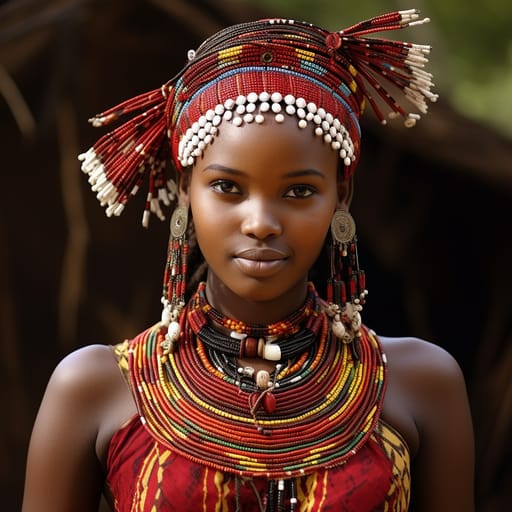
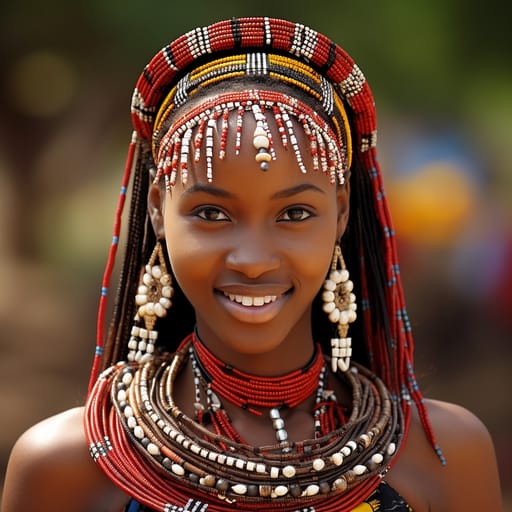
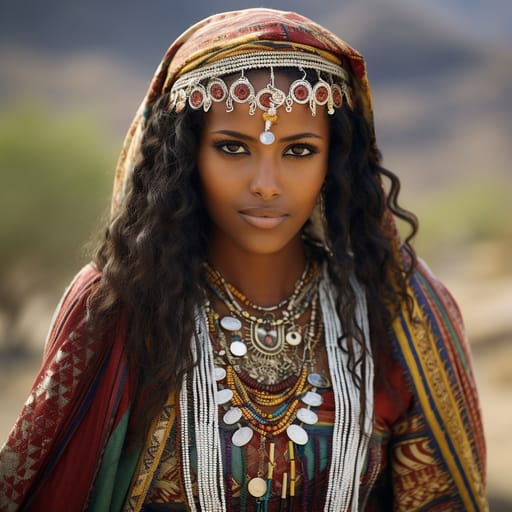
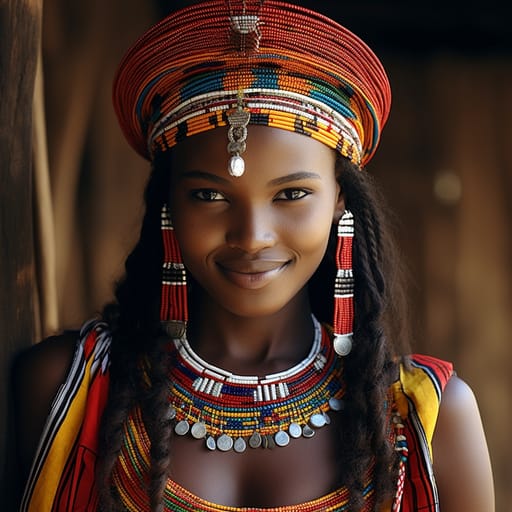
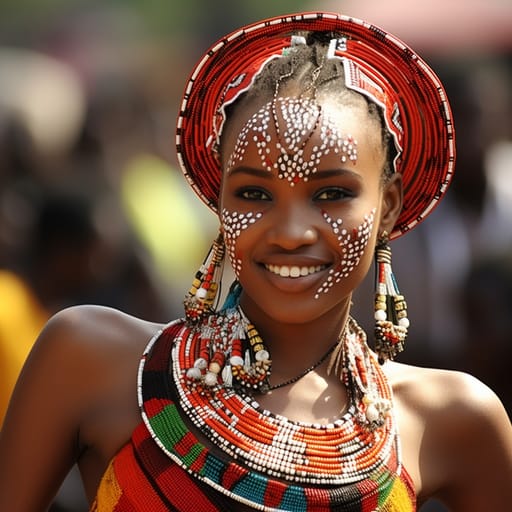
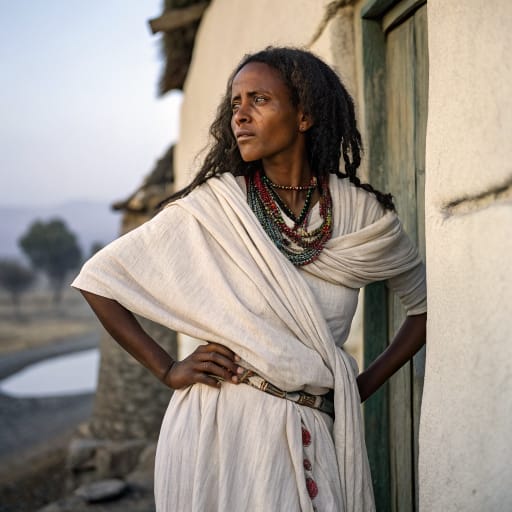
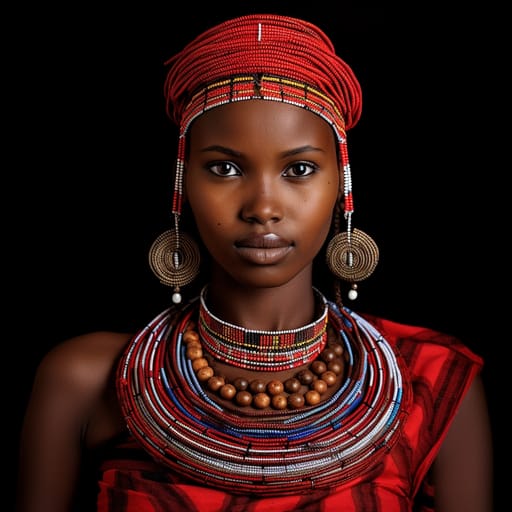
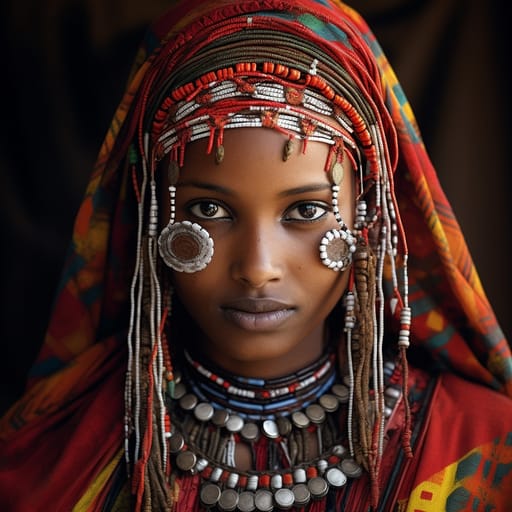
Typical Sandawe Phenotypes
Reference for AI generation: hair, eyes, skin, facial structure, build
Explore phenotype categories
Structured taxonomy with peer-reviewed scales · 22 anatomical categories
Erotic Poses & Sex Positions
From the pose catalog: 219 named positions with reference skeletons
Frequently asked questions about Sandawe people
Where is the Sandawe homeland?
The Sandawe homeland is Kondoa District, Dodoma Region, central Tanzania in Eastern Africa.
What language do Sandawe people speak?
Sandawe people primarily speak Sandawe (click language; tentatively Khoe or a language isolate).
What religion do Sandawe people practice?
The predominant religion among Sandawe people is Traditional animism (with Christianity and Islam).






Make your own Sandawe images
Five a day, free, no credits to buy. The studio starts from this group's phenotype data, so you can set body type, pose and style and keep the traits accurate.
Start with Sandawe