Help us get this right
Does this portrait look right for Kutu?
One tap. It takes a second and it is recorded.
1 says it looks right, 0 say it looks off.
Kutu Erotic
Lowlands south and east of the Uluguru Mountains, Morogoro Region, Tanzania
Kutu, or Kikutu (Bantu, Ruvu group); Swahili widely spoken
Mostly Muslim, with a Christian minority
Ruvu (Zigula-Zaramo) group of eastern Tanzanian Bantu peoples, with the Luguru, Zaramo, Kwere and Kami
About Kutu People
The Kutu are the lowland people of the Uluguru country in eastern Tanzania. Their Luguru neighbors hold the steep, rain-soaked slopes of the mountains. The Kutu live on the hotter, flatter ground that runs away from the southern and eastern foothills in Morogoro Region. Altitude, more than any hard cultural wall, separates the two peoples, and an outsider might hear little difference between their languages. Still, the Kutu have kept a name and an identity of their own.
Kikutu belongs to the Ruvu group of Bantu languages. Zaramo, Kwere, Kami and Luguru are in the same group, which spreads inland from the Indian Ocean coast. Swahili, also a coastal Bantu language, connects the Kutu with the rest of the country and is often the first language heard in markets, schools and government offices. Most Kutu are Muslim, largely because coastal trade reached deep into the interior. Islam sets the rhythm of the week and the year, decides what men wear to Friday prayers, and shapes weddings and burials. There is also a Christian minority.
Family ties pass through the mother's line. Like the Zaramo and Luguru, the Kutu belong to a belt of matrilineal peoples across eastern Tanzania. In these societies a person joins the mother's clan, and rights to land traditionally passed through the mother and her brothers, not the father. That system has had to make room for Islamic inheritance rules and national land law.
History ran straight through Kutu country. In the nineteenth century, the caravan road from the coast to Lake Tanganyika crossed these lowlands, carrying ivory and captives. The traffic also brought cloth, guns, Swahili and Islam. Richard Burton came through in 1857, wrote the district down as K'hutu and found it feverish and miserable. That judgment probably says more about a sick traveler in the wet season than about the place. The Kutu still live where those accounts found them, farming the plains below the mountains.
Related ethnic groups
Groups that share Kutu's homeland, region, language, or religious tradition. These are likely candidates for comparative phenotype reference.
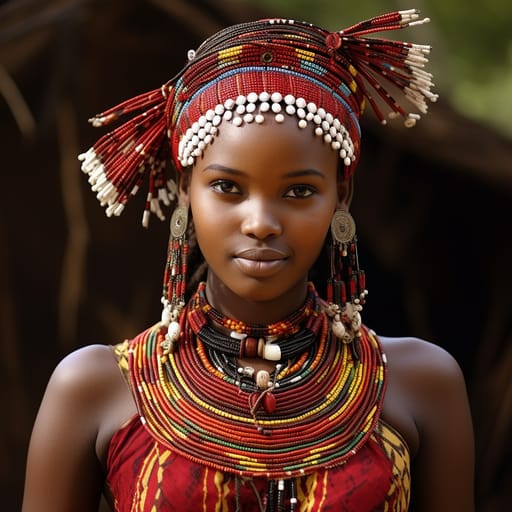
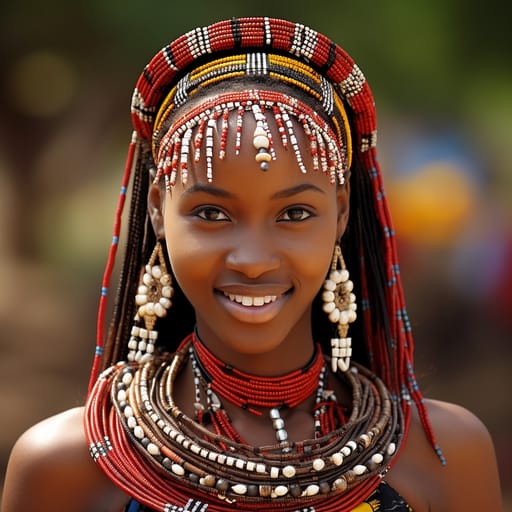
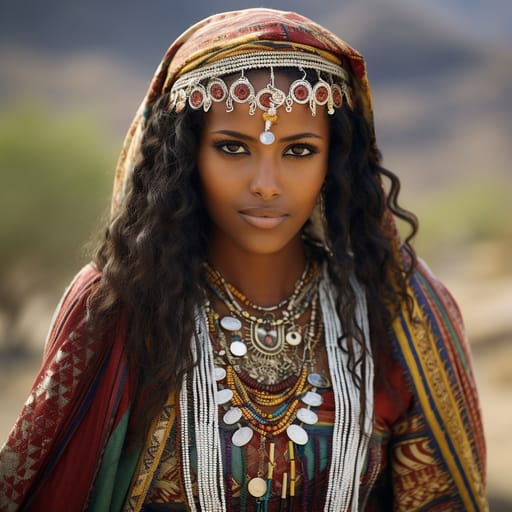
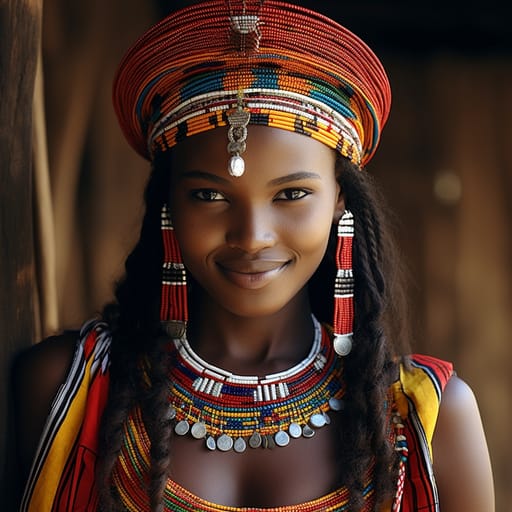
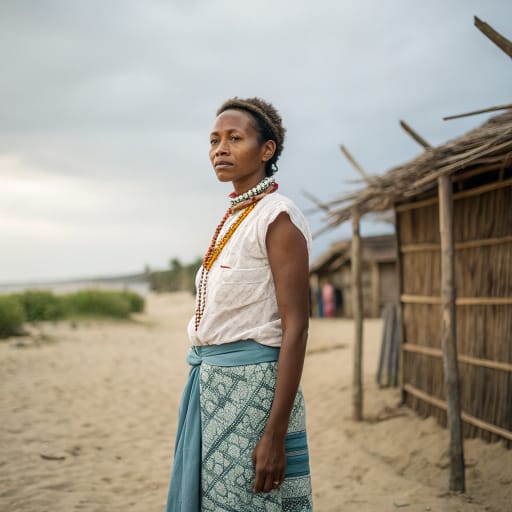
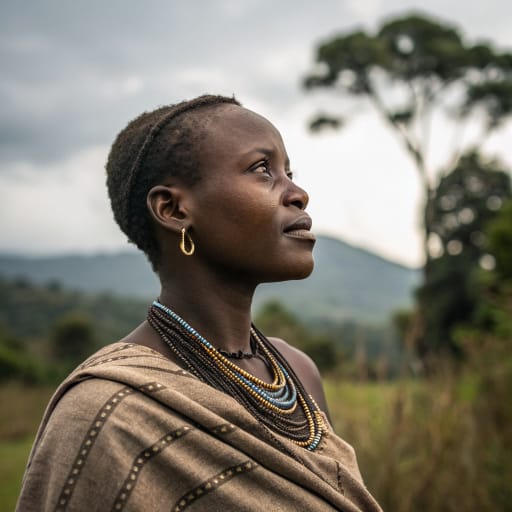
Typical Kutu Phenotypes
Reference for AI generation: hair, eyes, skin, facial structure, build
Explore phenotype categories
Structured taxonomy with peer-reviewed scales · 22 anatomical categories
Erotic Poses & Sex Positions
From the pose catalog: 219 named positions with reference skeletons
Frequently asked questions about Kutu people
Where is the Kutu homeland?
The Kutu homeland is Lowlands south and east of the Uluguru Mountains, Morogoro Region, Tanzania in Eastern Africa.
What language do Kutu people speak?
Kutu people primarily speak Kutu, or Kikutu (Bantu, Ruvu group); Swahili widely spoken.
What religion do Kutu people practice?
The predominant religion among Kutu people is Mostly Muslim, with a Christian minority.






Make your own Kutu images
Five a day, free, no credits to buy. The studio starts from this group's phenotype data, so you can set body type, pose and style and keep the traits accurate.
Start with Kutu