No portrait yet
Pogoro Erotic
Mahenge plateau and surrounding Ulanga District, south of the Kilombero River in Morogoro Region, southern Tanzania
Pogolo, also called Chipogoro (Niger-Congo, Bantu, closely related to Ndamba); Swahili widely spoken
Mostly Christian, predominantly Roman Catholic, with a Muslim minority; ancestral and healing practices persist alongside
Bantu peoples of southern Tanzania; linguistically paired with the neighboring Ndamba of the Kilombero Valley
About Pogoro People
The Pogoro are the people of the Mahenge plateau, the hilly upland that rises south of the Kilombero River in Tanzania's Morogoro Region. Their home district, Ulanga, has one foot in those highlands and the other in the broad valley below, where the river spreads out in the rains. Mahenge town started as a German military post and is now the district headquarters, and it sits at the center of Pogoro country. Being Pogoro is tied closely to that ground and to the language spoken on it.
That language is Pogolo, which its speakers call Chipogoro. It is a Bantu language, and its nearest relative is Ndamba, spoken by the valley farmers next door. The two are close enough that linguists class them together. Swahili sits on top of both as the language of school, government and trade, and most Pogoro move between the two as the setting demands. The Ndamba, Mbunga, Bena and Ngindo are all neighbors, and the district has never been home to one people alone.
History pressed hard on this corner of the country. The Maji Maji uprising against German rule broke out in 1905 and reached Mahenge within weeks. Fighters from the surrounding peoples, Pogoro among them, stormed the German post and were driven back by machine-gun fire. The war and the famine that followed the German scorched-earth campaign left deep scars across the south. Catholic missions took root on the plateau in the same period, and the Church became one of the most important institutions in Ulanga, running schools and parishes that shaped generations. Today most Pogoro are Christian, mainly Roman Catholic, with a Muslim minority. Belief in ancestral spirits and in the power of healers has not disappeared, and for many families it runs alongside Sunday Mass rather than against it.
Most Pogoro make their living from the land, growing maize, rice and cassava on plots across the slopes and valley edges. The hills around Mahenge also hold gemstones, above all spinel, which has made the town's name familiar to jewelers far from Tanzania. Small-scale mining now sits beside farming as a way to earn cash. Many younger Pogoro have moved to Morogoro, Dar es Salaam and other towns, and they stay connected to the plateau through family and land.
Related ethnic groups
Groups that share Pogoro's homeland, region, language, or religious tradition. These are likely candidates for comparative phenotype reference.
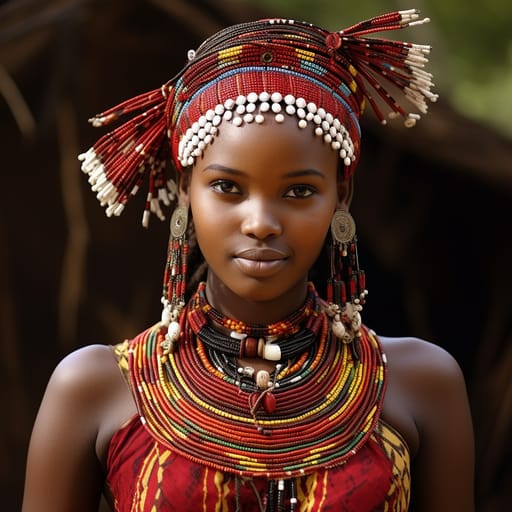
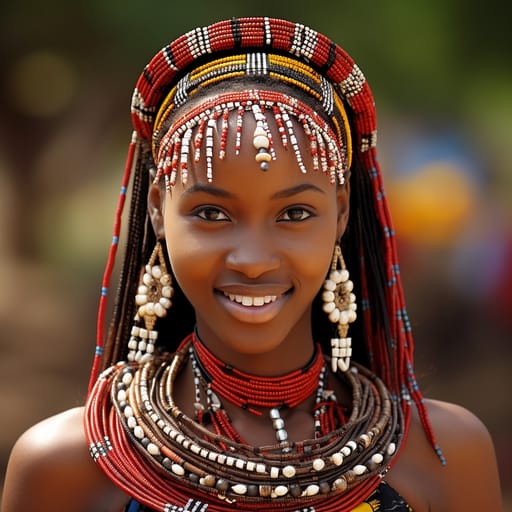
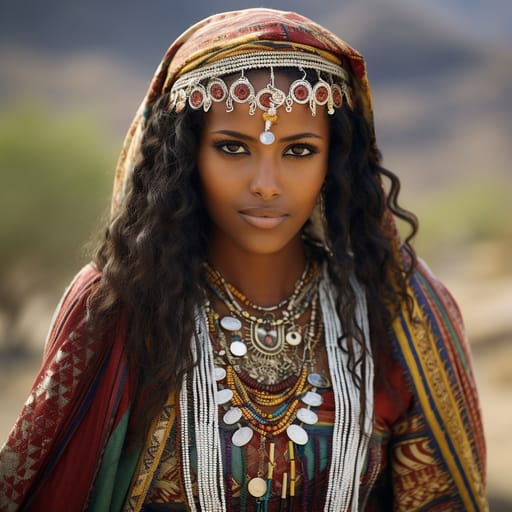
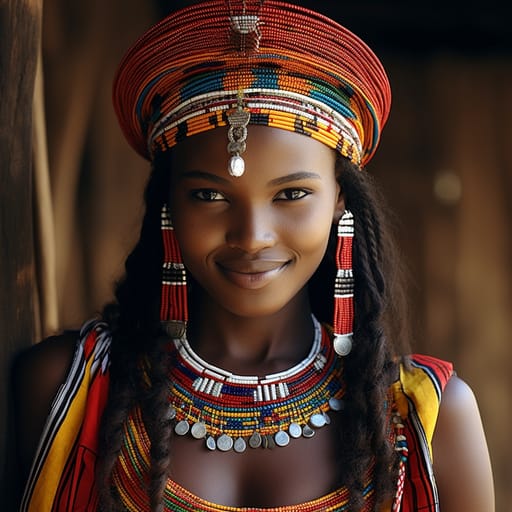
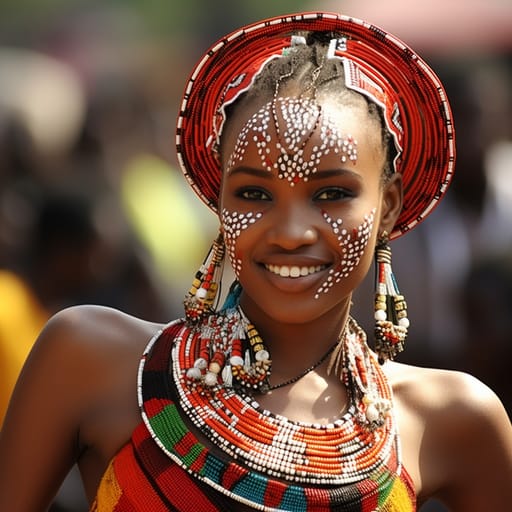
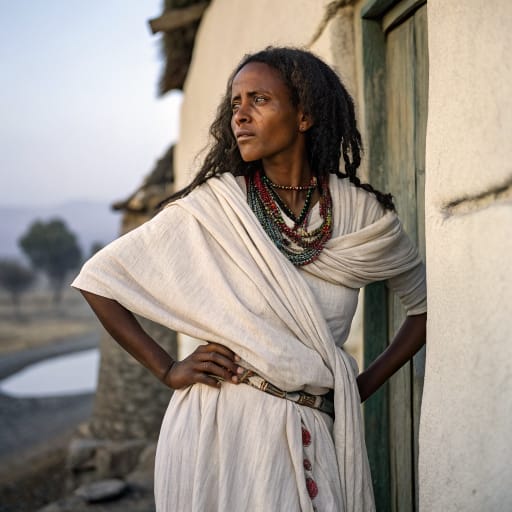
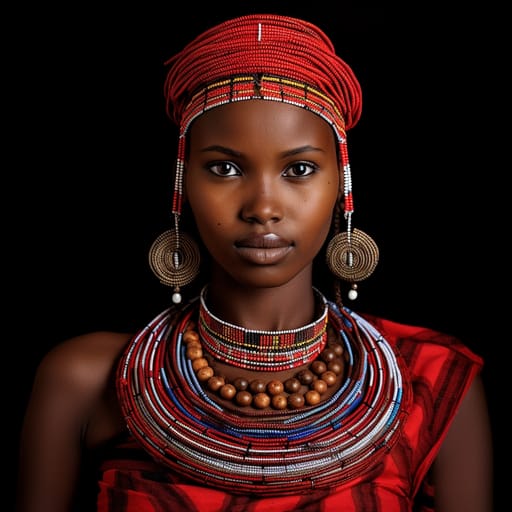
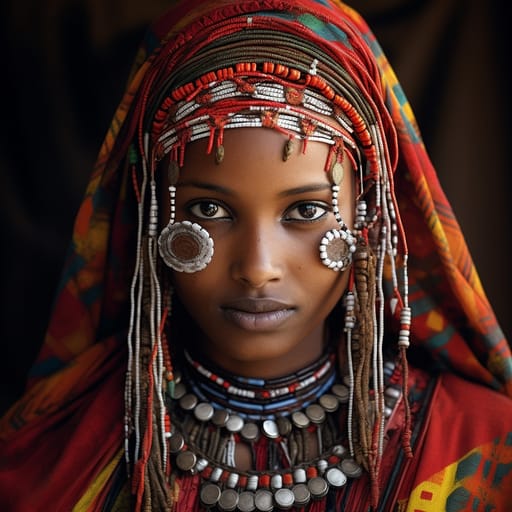
Typical Pogoro Phenotypes
Reference for AI generation: hair, eyes, skin, facial structure, build
Explore phenotype categories
Structured taxonomy with peer-reviewed scales · 22 anatomical categories
Erotic Poses & Sex Positions
From the pose catalog: 219 named positions with reference skeletons
Frequently asked questions about Pogoro people
Where is the Pogoro homeland?
The Pogoro homeland is Mahenge plateau and surrounding Ulanga District, south of the Kilombero River in Morogoro Region, southern Tanzania in Eastern Africa.
What language do Pogoro people speak?
Pogoro people primarily speak Pogolo, also called Chipogoro (Niger-Congo, Bantu, closely related to Ndamba); Swahili widely spoken.
What religion do Pogoro people practice?
The predominant religion among Pogoro people is Mostly Christian, predominantly Roman Catholic, with a Muslim minority; ancestral and healing practices persist alongside.






Make your own Pogoro images
Five a day, free, no credits to buy. The studio starts from this group's phenotype data, so you can set body type, pose and style and keep the traits accurate.
Start with Pogoro