Help us get this right
Does this portrait look right for Antaifasy?
Nobody has judged this one yet. You would be the first.
Antaifasy Erotic
Southeastern coast of Madagascar, centered on Farafangana in the Atsimo-Atsinanana region.
Malagasy, southeastern dialect group (Austronesian, Malayo-Polynesian, Southeast Barito branch)
Mostly Christian, Catholic and Lutheran, practiced alongside ancestor veneration and fady observance.
Three clans, each under a hereditary king; one of Madagascar's eighteen recognized ethnic groups and part of the coastal (cotier) peoples of the southeast.
About Antaifasy People
The name means something close to people of the sands, and the sands are real: a flat, wet, cyclone-battered stretch of Madagascar's southeast coast around the town of Farafangana, where rivers come down off the escarpment, slow into lagoons, and finally spill into the Indian Ocean. The Antaifasy are among the smaller of the eighteen ethnic groups Madagascar officially recognizes, and they are unusual in how tightly organized they are. Oral tradition traces them to the west of the island and describes a migration that brought them east into country already occupied, arriving as latecomers who had to negotiate for ground. That history still shows in the structure. They are divided into three clans, each with its own hereditary king, and the office is not decorative: it arbitrates land, adjudicates descent, and decides when collective work begins. Their neighbors are close enough that the boundary between peoples is a matter of families rather than distance, the Zafisoro living alongside them around Farafangana, the Antaisaka to the south, the Antaimoro up the coast to the north.
They speak Malagasy, an Austronesian language whose nearest living relative is spoken in southern Borneo, and the Antaifasy variety belongs to the southeastern dialect group: close enough to the highland standard for a radio bulletin, distinct enough that a speaker is placed as a coastal person within a sentence. Christianity arrived with Catholic and Lutheran missions and took hold, but it did not displace the ancestors. Burial is collective, one tomb to a lineage, and the observances around it are exact about who may approach, what may be carried in, and what has to be said and by whom. Fady, the prohibitions that attach to a day, an animal, a place, or a particular family, still shape ordinary decisions and are not uniform from one household to the next. Livelihood is rice, grown on hillside plots and in the low wet ground, along with coffee and fishing the rivers and lagoons. The twentieth century was hard here: the 1947 insurrection against French rule burned hottest along this coast, and the reprisals that followed emptied villages. Cyclones come ashore most years and take the roofs with them. What holds through all of it is the tomb, the clan, and the king who still has to be consulted.
Related ethnic groups
Groups that share Antaifasy's homeland, region, language, or religious tradition. These are likely candidates for comparative phenotype reference.
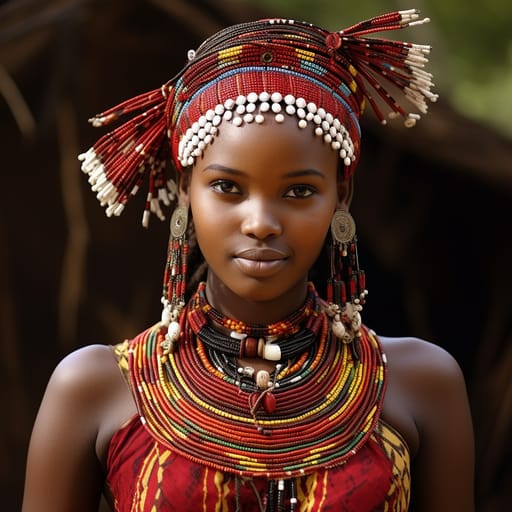
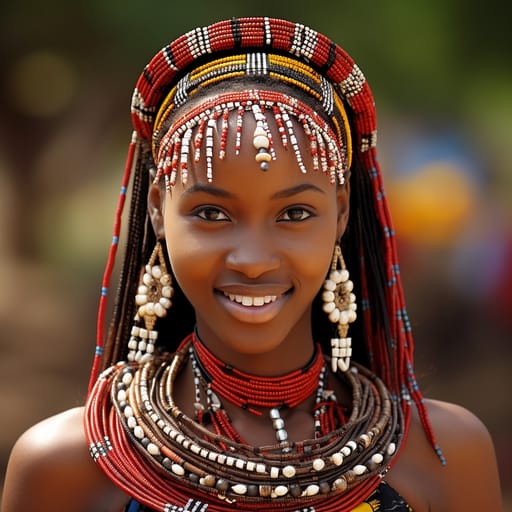
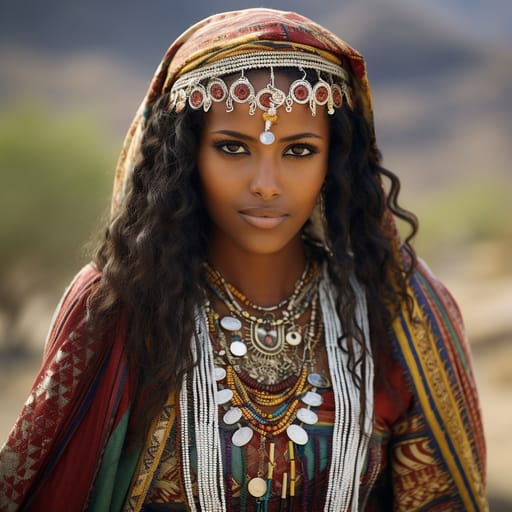
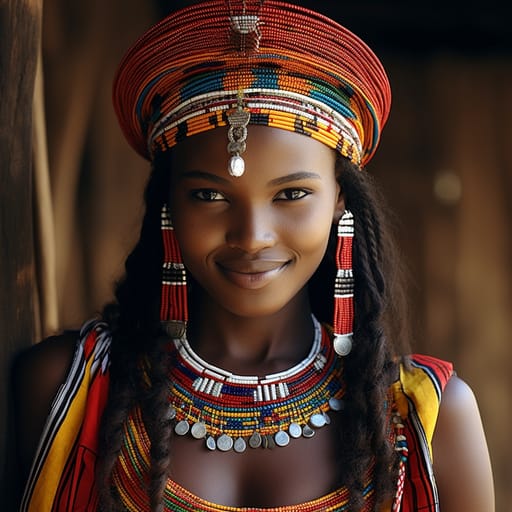
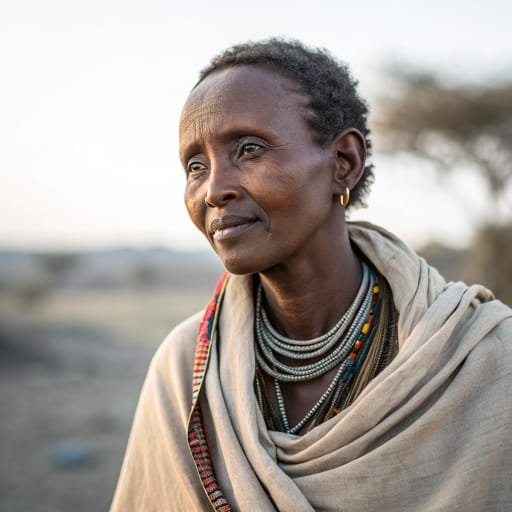
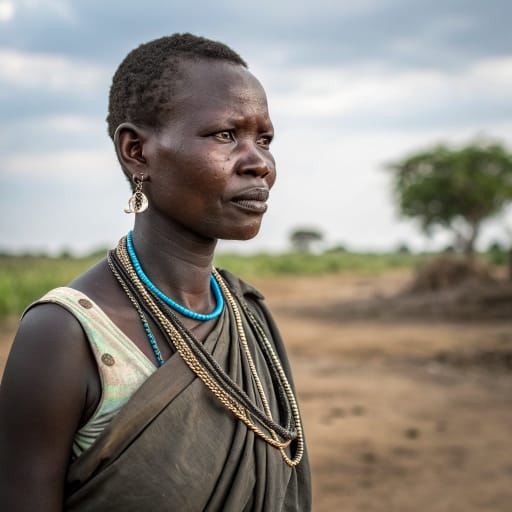
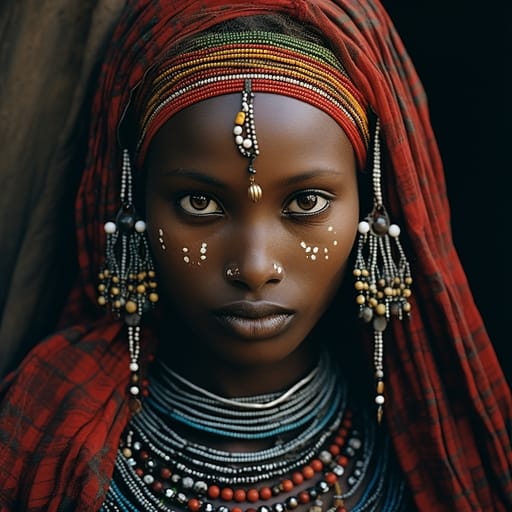
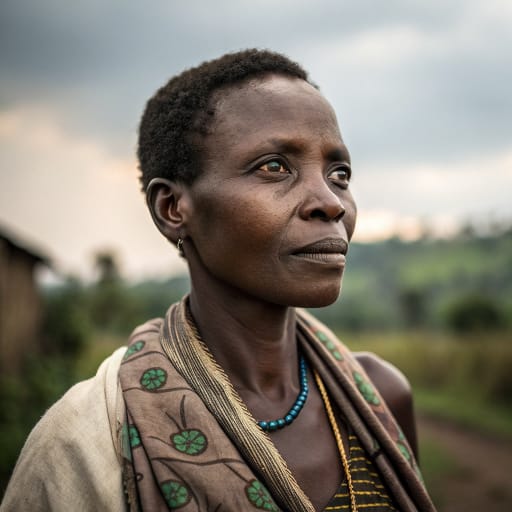
Typical Antaifasy Phenotypes
Reference for AI generation: hair, eyes, skin, facial structure, build
Explore phenotype categories
Structured taxonomy with peer-reviewed scales · 22 anatomical categories
Erotic Poses & Sex Positions
From the pose catalog: 219 named positions with reference skeletons
Frequently asked questions about Antaifasy people
Where is the Antaifasy homeland?
The Antaifasy homeland is Southeastern coast of Madagascar, centered on Farafangana in the Atsimo-Atsinanana region. in Eastern Africa.
What language do Antaifasy people speak?
Antaifasy people primarily speak Malagasy, southeastern dialect group (Austronesian, Malayo-Polynesian, Southeast Barito branch).
What religion do Antaifasy people practice?
The predominant religion among Antaifasy people is Mostly Christian, Catholic and Lutheran, practiced alongside ancestor veneration and fady observance..






Make your own Antaifasy images
Five a day, free, no credits to buy. The studio starts from this group's phenotype data, so you can set body type, pose and style and keep the traits accurate.
Start with Antaifasy