Help us get this right
Does this portrait look right for Jita?
Nobody has judged this one yet. You would be the first.
Jita Erotic
Southeastern shore of Lake Victoria in Mara Region, Tanzania, chiefly Musoma Rural District around the Majita area, with some communities in neighboring Mwanza Region
Jita, or Kijita (Niger-Congo, Bantu, Great Lakes group); Swahili widely used as a second language
Mostly Christian, Catholic and Protestant
Great Lakes Bantu people of the Lake Victoria shore; closely related to the Kwaya, Ruri and Kara
About Jita People
The Jita are a lakeshore people. They live in the part of Tanzania's Mara Region that runs down to the southeastern edge of Lake Victoria, around Musoma and the stretch of shore still called Majita, and the lake sets the pace of life there. Households farm and fish in the same year and often in the same week: cassava, millet and sorghum come from the fields, and dagaa and tilapia come from the water. A Jita village faces both ways, toward the gardens inland and toward the canoes pulled up on the beach.
Their language, called Kijita in Swahili, belongs to the Great Lakes branch of Bantu. It is closely related to the speech of the neighboring Kwaya, Ruri and Kara. The lines between these languages owe as much to local history as to grammar. The Kerewe, Zinza and Haya, farther around the lake, speak more distant relatives. Linguists know Jita for a complicated tone system that has been studied in detail. In daily life, though, Swahili is never far off. After independence Tanzania committed to a single national language, pushed hardest by Julius Nyerere, who was born just inland at Butiama. That put Swahili in every classroom and government office, and most Jita now switch between the two languages without a second thought.
Most Jita today are Christian, split between Catholic and Protestant churches whose missions reached the Lake Zone in the colonial period. Church membership shapes a good part of community life, from weddings and funerals to choirs.
The big upheavals of the last century came through the economy and the state. Colonial administrators pushed cotton as a cash crop across the Lake Zone. In the 1970s, Tanzania's ujamaa villagization campaign moved scattered rural homesteads across Mara into planned villages. Then the Nile perch boom of the 1980s and 1990s turned lake fishing into an export trade. It brought buyers, processing plants and migrant crews to waters that Jita fishermen had long worked with small boats and hand nets. Through each of these changes, the lakeshore has stayed home for most Jita.
Related ethnic groups
Groups that share Jita's homeland, region, language, or religious tradition. These are likely candidates for comparative phenotype reference.
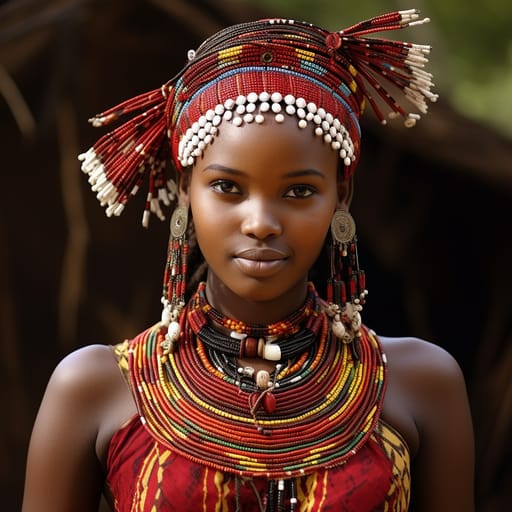
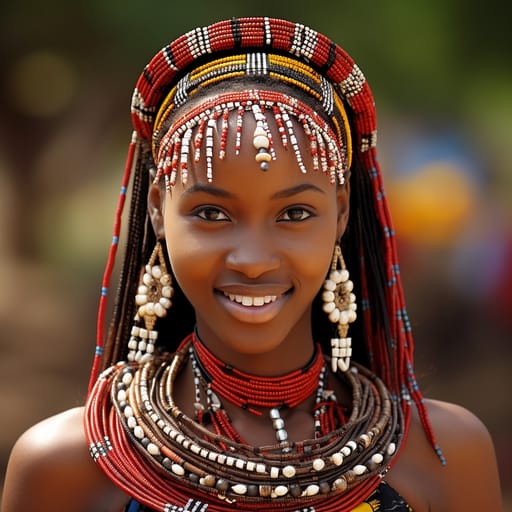
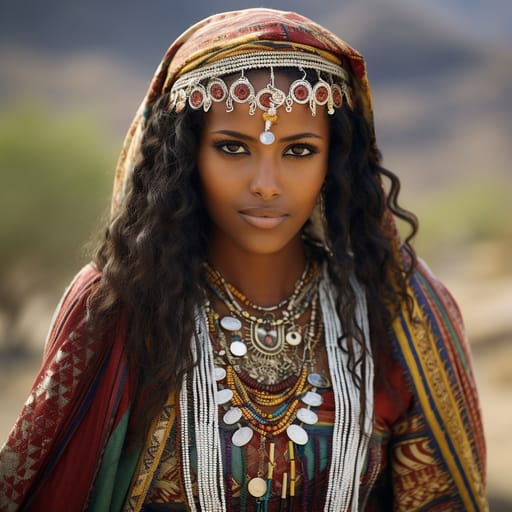
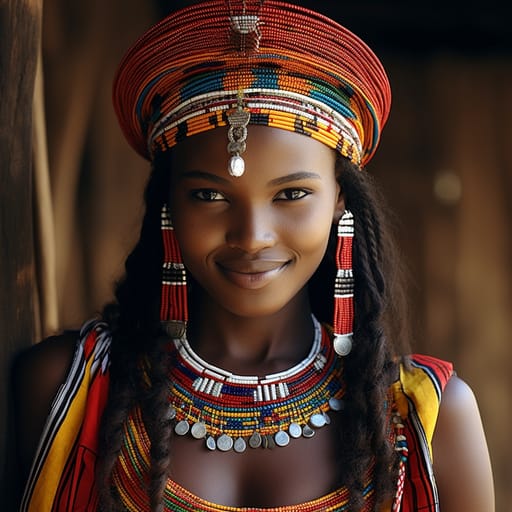
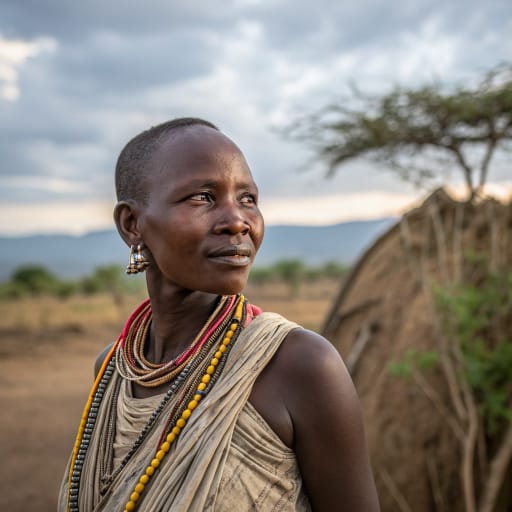
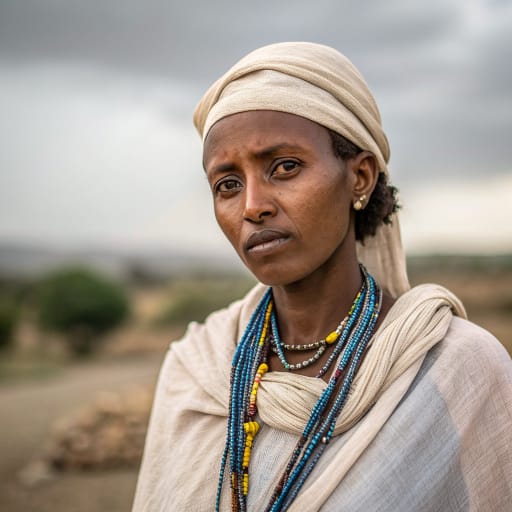
Typical Jita Phenotypes
Reference for AI generation: hair, eyes, skin, facial structure, build
Explore phenotype categories
Structured taxonomy with peer-reviewed scales · 22 anatomical categories
Erotic Poses & Sex Positions
From the pose catalog: 219 named positions with reference skeletons
Frequently asked questions about Jita people
Where is the Jita homeland?
The Jita homeland is Southeastern shore of Lake Victoria in Mara Region, Tanzania, chiefly Musoma Rural District around the Majita area, with some communities in neighboring Mwanza Region in Eastern Africa.
What language do Jita people speak?
Jita people primarily speak Jita, or Kijita (Niger-Congo, Bantu, Great Lakes group); Swahili widely used as a second language.
What religion do Jita people practice?
The predominant religion among Jita people is Mostly Christian, Catholic and Protestant.






Make your own Jita images
Five a day, free, no credits to buy. The studio starts from this group's phenotype data, so you can set body type, pose and style and keep the traits accurate.
Start with Jita