No portrait yet
Ngulu Erotic
Nguu and Nguru Mountains and the surrounding plains of eastern Tanzania: Kilindi and Handeni districts (Tanga Region) and Mvomero District (Morogoro Region).
Ngulu, also called Kingulu (Bantu, Niger-Congo; Seuta group with Zigua, Bondei and Shambaa); Swahili is spoken by nearly everyone.
Mostly Sunni Islam, with Christian (largely Catholic) minorities; ancestral and rain rites persist alongside both.
Seuta cluster of northeastern Tanzanian Bantu peoples (with Zigua, Bondei, Shambaa); part of the matrilineal belt of eastern Tanzania alongside the Kaguru and Luguru. Organized in matrilineal clans.
About Ngulu People
The Ngulu are hill farmers of eastern Tanzania, and the hills are the point. Their country is the Nguu and Nguru ranges, two blocks of the Eastern Arc Mountains that stand up out of the dry plains between the coast and the central plateau, in what is now Kilindi and Handeni districts of Tanga Region and Mvomero District of Morogoro. The mountains catch rain the lowlands miss, and in the nineteenth century, when caravans moving ivory and slaves passed below and better-armed neighbors went raiding, they also offered cover. You will see the name written Nguu, Nguru or Wanguu: the same people, spelled through Swahili and through their neighbors' ears.
Their language, Kingulu, is Bantu and sits in the small Seuta cluster with Zigua, Bondei and Shambaa, four peoples whose traditions claim a shared ancestor and whose speech is close enough that a Ngulu and a Zigua can follow each other without much strain. Swahili is the language of school, market and mosque, and younger people slide between the two, which is why Kingulu's long-term health is an open question.
What marks the Ngulu out within Tanzania is descent. They belong to the matrilineal belt of the eastern interior, along with the Kaguru, Luguru and Zigua: clan membership runs through the mother, and a mother's brother traditionally held as much say over a child as the father. Clans hold ritual claim to particular tracts of land, and clan elders made the offerings to ancestors that were meant to bring rain and keep the soil producing. Initiation for both boys and girls involved long instruction through songs, riddles and symbolic teaching about adult obligations. The anthropologist T. O. Beidelman recorded these rites and a body of Ngulu folktales in the 1960s, and his work remains most of what exists in print.
Spiritan missionaries opened a Catholic station at Mhonda in the Nguru foothills in 1877, and German and then British rule followed. By most accounts Islam, which came up the trade routes from the coast, is now the majority faith, with Catholic communities around the old missions and ancestral observance continuing quietly beneath both. The 1970s villagization campaign pulled scattered homesteads down into roadside villages. People grow maize, beans, cassava and bananas on steep plots, plant cardamom under the forest canopy for cash, take wage work on the Mtibwa sugar estate at the foot of the Nguru, or leave for Morogoro, Tanga and Dar es Salaam. The forest reserves above them are some of the most biologically valuable in Africa, which puts a hard ceiling on new farmland.
Related ethnic groups
Groups that share Ngulu's homeland, region, language, or religious tradition. These are likely candidates for comparative phenotype reference.
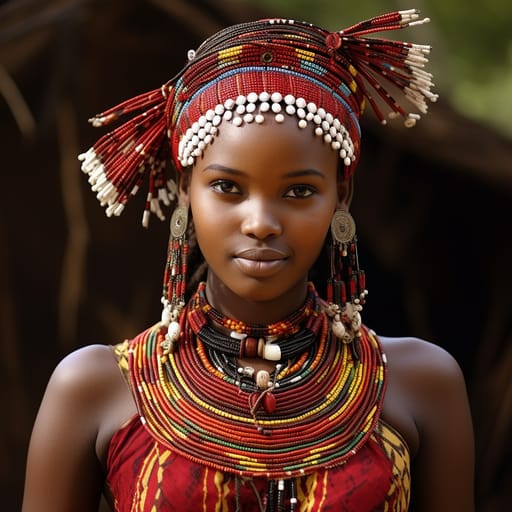
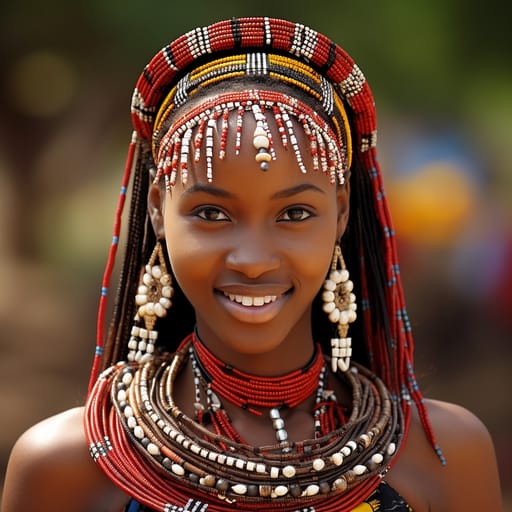
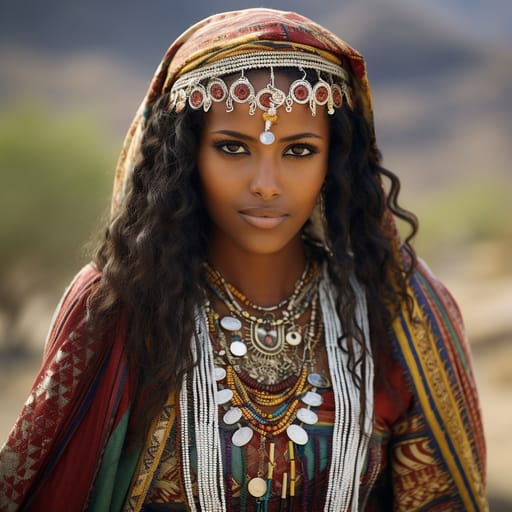
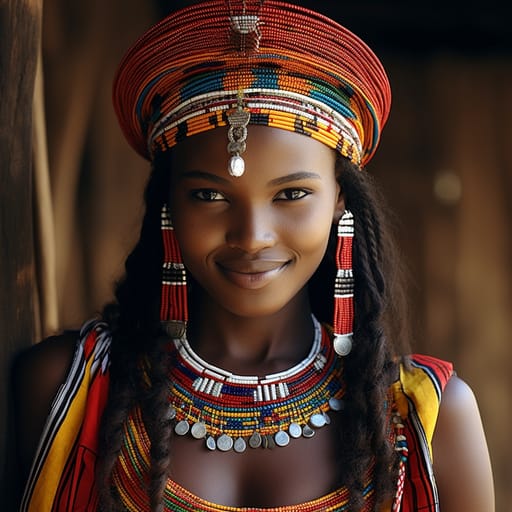
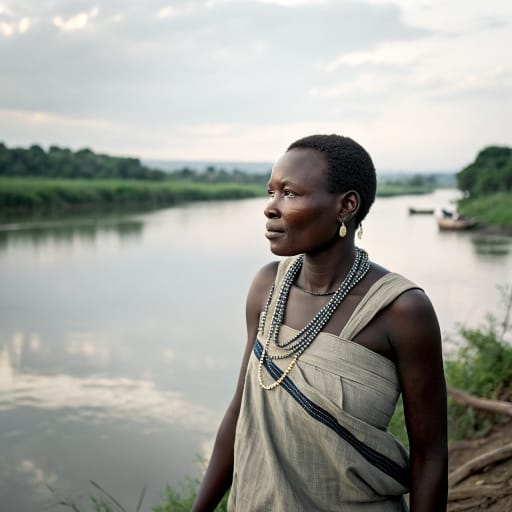
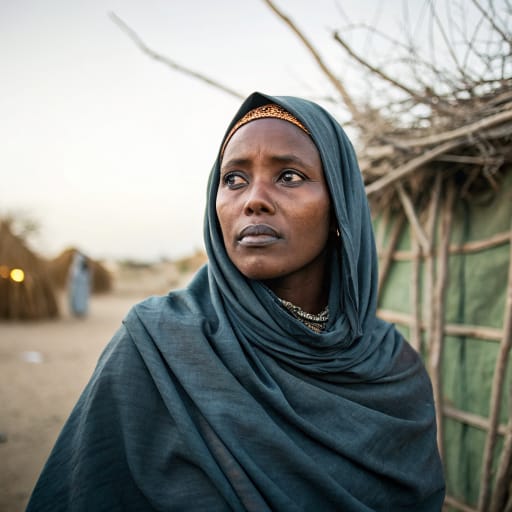
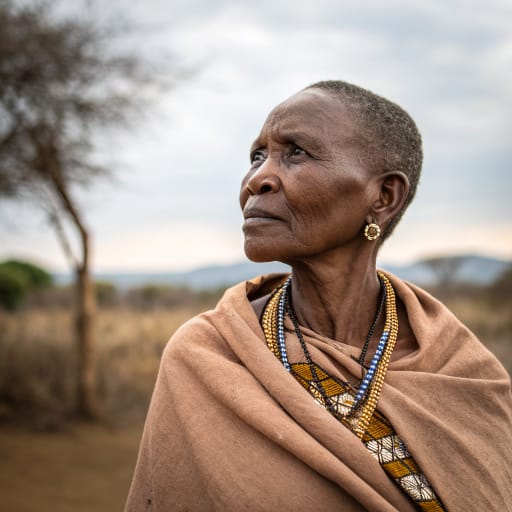
Typical Ngulu Phenotypes
Reference for AI generation: hair, eyes, skin, facial structure, build
Explore phenotype categories
Structured taxonomy with peer-reviewed scales · 22 anatomical categories
Erotic Poses & Sex Positions
From the pose catalog: 219 named positions with reference skeletons
Frequently asked questions about Ngulu people
Where is the Ngulu homeland?
The Ngulu homeland is Nguu and Nguru Mountains and the surrounding plains of eastern Tanzania: Kilindi and Handeni districts (Tanga Region) and Mvomero District (Morogoro Region). in Eastern Africa.
What language do Ngulu people speak?
Ngulu people primarily speak Ngulu, also called Kingulu (Bantu, Niger-Congo; Seuta group with Zigua, Bondei and Shambaa); Swahili is spoken by nearly everyone..
What religion do Ngulu people practice?
The predominant religion among Ngulu people is Mostly Sunni Islam, with Christian (largely Catholic) minorities; ancestral and rain rites persist alongside both..






Make your own Ngulu images
Five a day, free, no credits to buy. The studio starts from this group's phenotype data, so you can set body type, pose and style and keep the traits accurate.
Start with Ngulu