Help us get this right
Does this portrait look right for Gold Coast Euro-Africans?
Nobody has judged this one yet. You would be the first.
Gold Coast Euro-Africans Erotic
Coastal trading towns of the Gold Coast, present-day Ghana, especially Elmina, Cape Coast, Anomabo and Accra, including Osu
Fante (Akan, Kwa, Niger-Congo) and Ga (Ga-Dangme, Kwa, Niger-Congo); English, and in earlier centuries Dutch and Danish (Germanic, Indo-European)
Christian, largely Methodist around Cape Coast and Basel Mission Presbyterian in Osu, with older Catholic and Dutch Reformed roots at Elmina; family and funeral duties kept alongside
Dutch-African families of Elmina, Danish-African families of Osu and Accra, Anglo-African families of Cape Coast and Anomabo; one of several mixed Atlantic trading communities on the West African coast
About Gold Coast Euro-Africans People
The Gold Coast Euro-Africans were families of mixed European and African descent. They grew up around the forts and trading towns of present-day Ghana between the late 15th and early 20th centuries. Ancestry alone did not set them apart. So did the work they did: they were the interpreters, clerks, brokers, soldiers and merchants who stood between the European trading companies and the African states of the coast. No separate community survives. Their descendants became part of Ghana's coastal elite, and surnames such as Bannerman, Brew, Bartels, Reindorf, Richter and Lutterodt still mark those family lines.
The fathers were Portuguese, Dutch, Danish, English and Irish officers and traders. The mothers were mostly Fante and Ga women. These were not casual affairs. The unions followed local custom and were known on the coast as cassare marriages. They were arranged with the woman's family and carried real duties toward her and the children. Each fort produced its own version: Dutch-African families at Elmina, Danish-African families in Osu beside Christiansborg, and Anglo-African families at Cape Coast and Anomabo. Castle schools taught some of the children to read, and a few sons were sent to Europe. At home they spoke Fante or Ga, the Kwa languages of their mothers' towns. At work they spoke the Dutch, Danish or English of the company. In Fante society a child belonged to the mother's lineage. That kept many Euro-Africans tied to African family duties even as they became early and committed Christians, Methodist around Cape Coast and Basel Mission Presbyterian in Osu.
Their influence peaked in the 19th century. James Bannerman, a merchant, briefly ran the British settlements as lieutenant governor in 1850 and 1851. His family published one of the first African-run newspapers in Accra. James Hutton Brew founded the Gold Coast Times in 1874. Carl Christian Reindorf, a Ga-Danish pastor, wrote a history of the Gold Coast and Asante that historians still rely on. The Danes sold their forts to Britain in 1850 and the Dutch followed in 1872. English then became the common language, and the British colony hardened along racial lines. By the end of the century Euro-Africans were being pushed out of senior posts. Generations of marriage into African families blurred the category until it faded away. Their legacy is the old family houses of Osu, Elmina and Cape Coast, and the surnames that still anchor them.
Related ethnic groups
Groups that share Gold Coast Euro-Africans's homeland, region, language, or religious tradition. These are likely candidates for comparative phenotype reference.
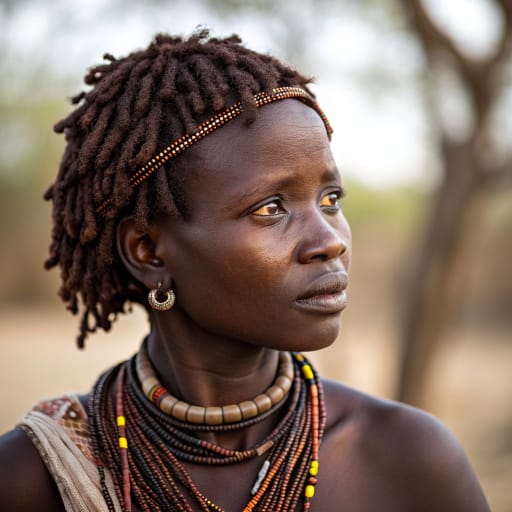
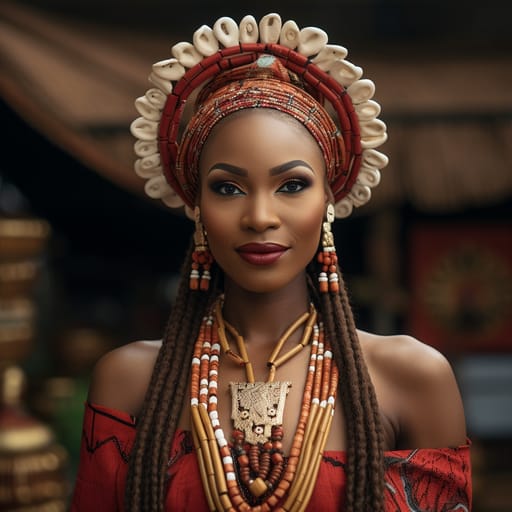
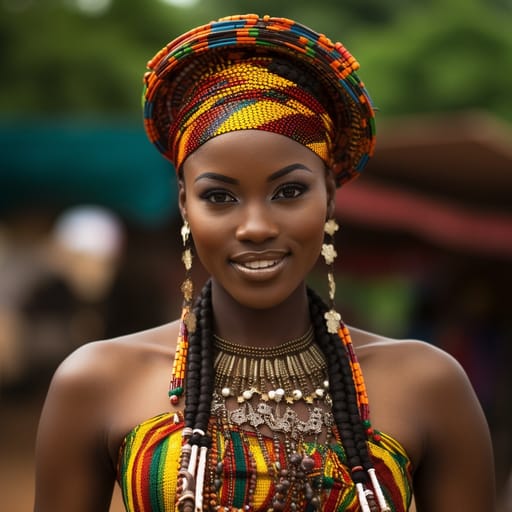
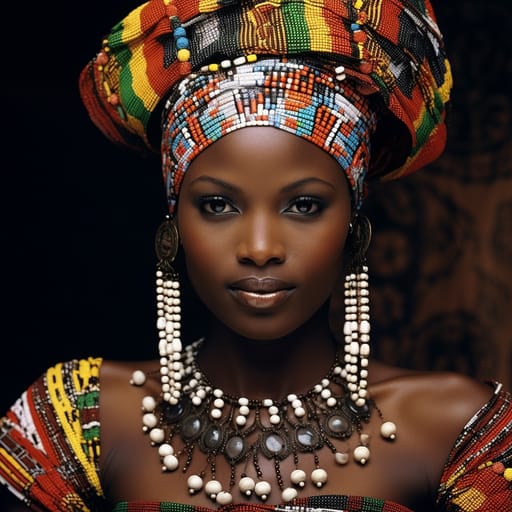
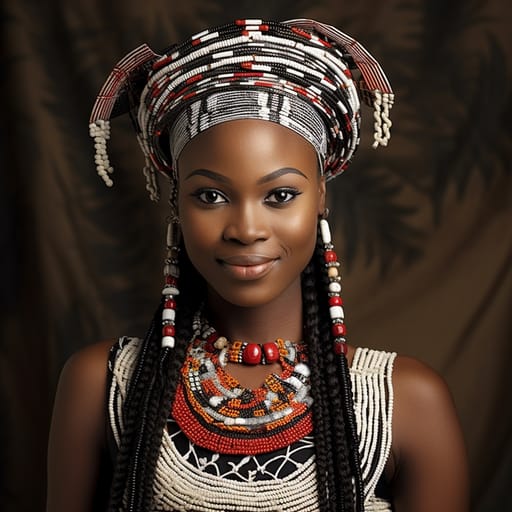
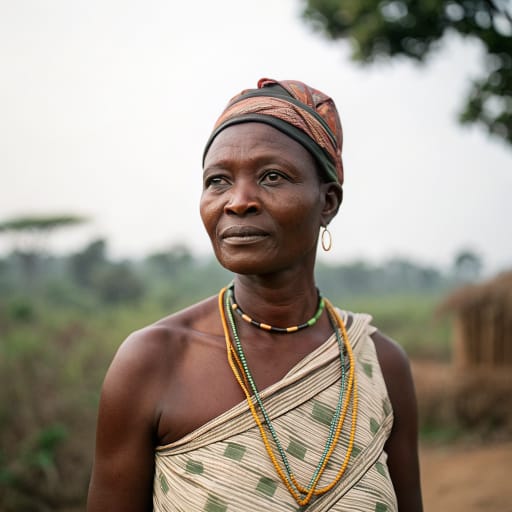
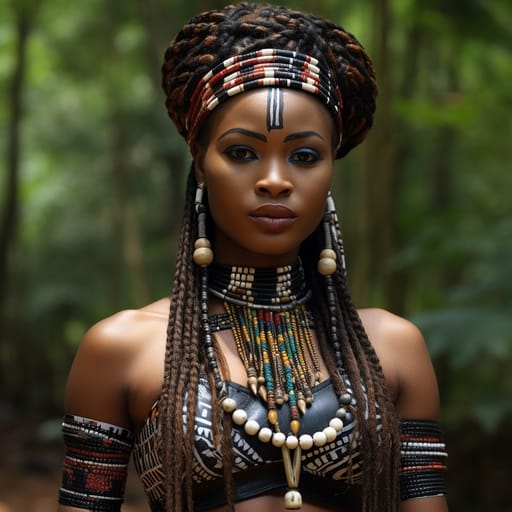
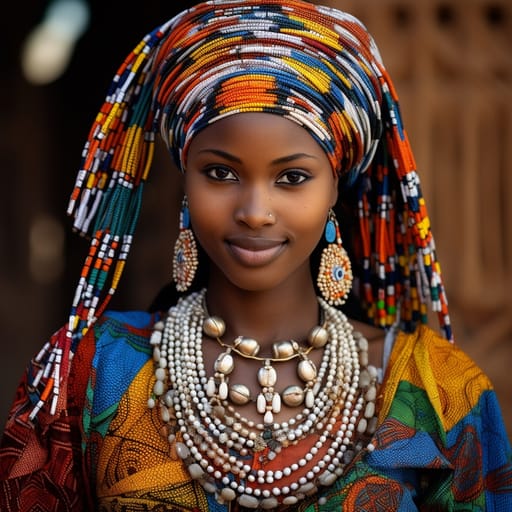
Typical Gold Coast Euro-Africans Phenotypes
Reference for AI generation: hair, eyes, skin, facial structure, build
Explore phenotype categories
Structured taxonomy with peer-reviewed scales · 22 anatomical categories
Erotic Poses & Sex Positions
From the pose catalog: 219 named positions with reference skeletons
Frequently asked questions about Gold Coast Euro-Africans people
Where is the Gold Coast Euro-Africans homeland?
The Gold Coast Euro-Africans homeland is Coastal trading towns of the Gold Coast, present-day Ghana, especially Elmina, Cape Coast, Anomabo and Accra, including Osu in Western Africa.
What language do Gold Coast Euro-Africans people speak?
Gold Coast Euro-Africans people primarily speak Fante (Akan, Kwa, Niger-Congo) and Ga (Ga-Dangme, Kwa, Niger-Congo); English, and in earlier centuries Dutch and Danish (Germanic, Indo-European).
What religion do Gold Coast Euro-Africans people practice?
The predominant religion among Gold Coast Euro-Africans people is Christian, largely Methodist around Cape Coast and Basel Mission Presbyterian in Osu, with older Catholic and Dutch Reformed roots at Elmina; family and funeral duties kept alongside.






Make your own Gold Coast Euro-Africans images
Five a day, free, no credits to buy. The studio starts from this group's phenotype data, so you can set body type, pose and style and keep the traits accurate.
Start with Gold Coast Euro-Africans