Help us get this right
Does this portrait look right for Bravanese?
Nobody has judged this one yet. You would be the first.
Bravanese Erotic
Barawa (Brava), a port town on the Banaadir coast of southern Somalia; large diaspora in Kenya (Mombasa), Britain and the United States.
Chimwiini, also called Chimbalazi (Bantu, Sabaki group, closely related to Swahili); Somali (Cushitic) and Arabic widely spoken as second languages.
Sunni Islam, Shafi'i school, with strong Sufi traditions, especially the Qadiriyya order.
Hatimi and Bida lineages, plus Ashraf families; counted among the Benadiri coastal minorities of Somalia and culturally part of the wider Swahili coast.
About Bravanese People
The Bravanese are the people of one town. Barawa, an old stone-built port on Somalia's southern coast, is where they come from, and their own name for it, Mwiini, gives them both their self-designation and their language. That language is the clearest marker of who they are: Chimwiini is a Bantu tongue, a close northern relative of Swahili, spoken in a country where nearly everyone else speaks Somali, a Cushitic language from a different family altogether. Centuries of contact show in it. Chimwiini is thick with Somali and Arabic borrowings, and most Bravanese have always been bilingual or trilingual out of plain necessity.
Barawa was the northern outpost of the Swahili coast, a trading town tied by dhow routes to Lamu, Mombasa, Zanzibar, southern Arabia and India. Chinese fleets under Zheng He called there in the 1400s, and the Portuguese sacked it in the early 1500s. The town rebuilt, passed under the loose authority of inland Somali sultanates and later Zanzibar, and ended up in Italian Somaliland. The people who came out of that history are of mixed Arab, Persian, Somali and Bantu descent. Townspeople group themselves into lineages, the Hatimi and the Bida chief among them, alongside Ashraf families who claim descent from the Prophet, and they have long shared the town with Tunni Somalis from the hinterland.
Islam here is Sunni, Shafi'i, and deeply Sufi. Barawa had a reputation as a town of scholars far beyond its size. Sheikh Uways al-Barawi, born there in 1847, carried the Qadiriyya order across East Africa, and Dada Masiti, a nineteenth-century woman mystic, wrote devotional poetry in Chimwiini that is still recited; her tomb draws an annual pilgrimage. Religious verse in the town's own language, rather than in Arabic alone, is one of the quieter Bravanese distinctions. So is craft: Barawa's weavers, sandal makers and embroiderers of the men's cap known as the kofia Barawa supplied markets up and down the coast.
The Somali civil war broke the community. Unarmed and standing outside the major clan lineages, the Bravanese had no militia to protect them when the state collapsed in 1991, and they were looted, assaulted and killed by passing factions. Many fled, often by boat, to Kenya and were later resettled in Britain, the United States and elsewhere. Al-Shabaab held the town for years until 2014. A large share of the community now lives in Mombasa, London and American cities rather than in Barawa itself, and Chimwiini, with children growing up in English, Somali or Swahili, is a language its speakers are actively trying to keep alive.
Related ethnic groups
Groups that share Bravanese's homeland, region, language, or religious tradition. These are likely candidates for comparative phenotype reference.
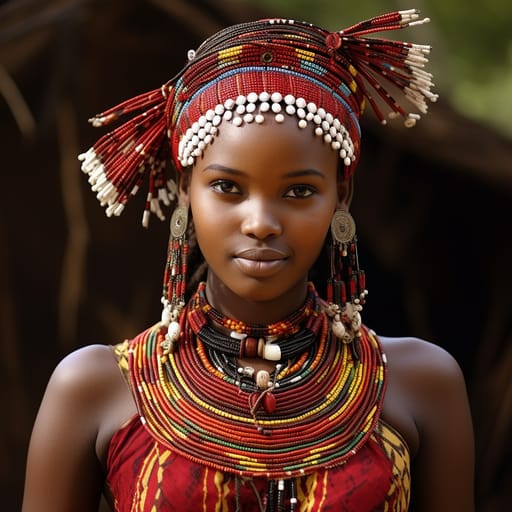
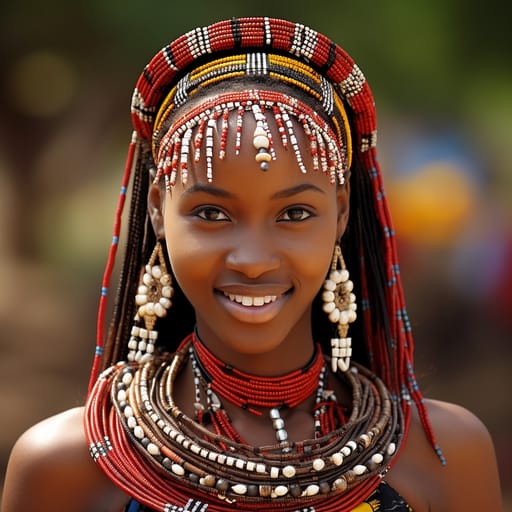
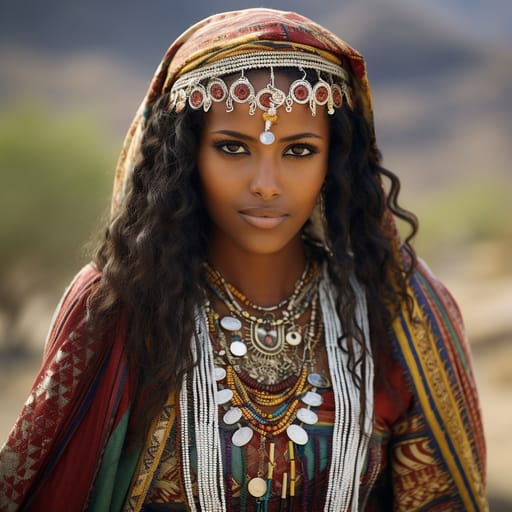
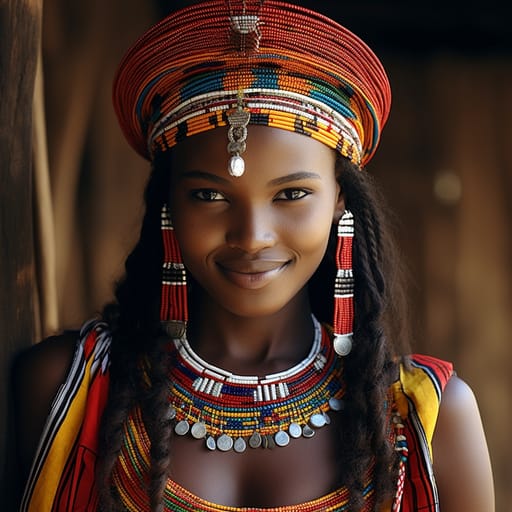
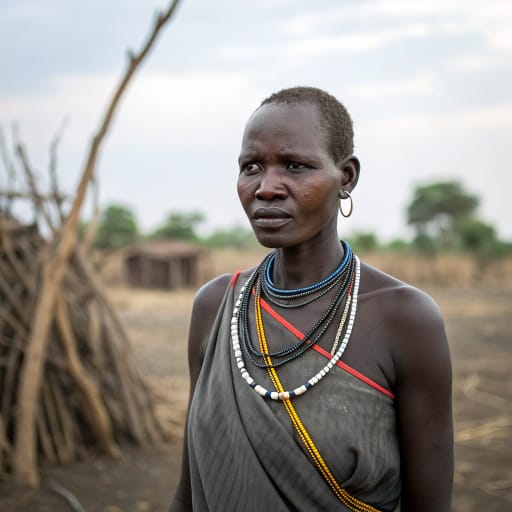
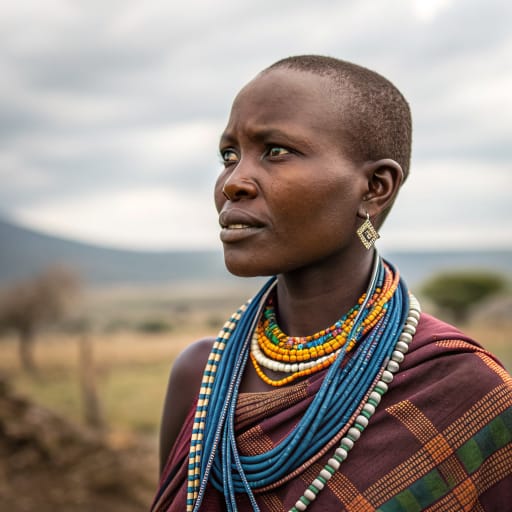
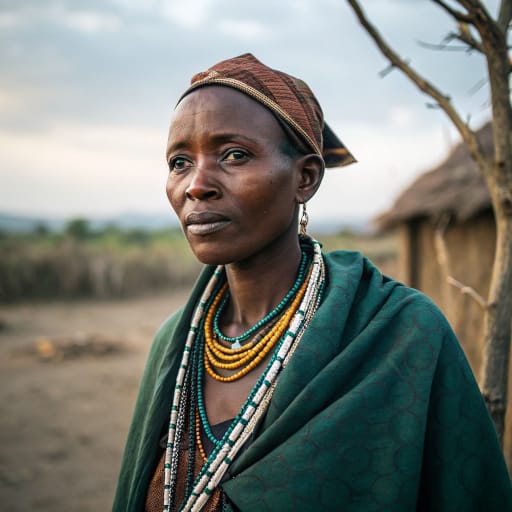
Typical Bravanese Phenotypes
Reference for AI generation: hair, eyes, skin, facial structure, build
Explore phenotype categories
Structured taxonomy with peer-reviewed scales · 22 anatomical categories
Erotic Poses & Sex Positions
From the pose catalog: 219 named positions with reference skeletons
Frequently asked questions about Bravanese people
Where is the Bravanese homeland?
The Bravanese homeland is Barawa (Brava), a port town on the Banaadir coast of southern Somalia; large diaspora in Kenya (Mombasa), Britain and the United States. in Eastern Africa.
What language do Bravanese people speak?
Bravanese people primarily speak Chimwiini, also called Chimbalazi (Bantu, Sabaki group, closely related to Swahili); Somali (Cushitic) and Arabic widely spoken as second languages..
What religion do Bravanese people practice?
The predominant religion among Bravanese people is Sunni Islam, Shafi'i school, with strong Sufi traditions, especially the Qadiriyya order..






Make your own Bravanese images
Five a day, free, no credits to buy. The studio starts from this group's phenotype data, so you can set body type, pose and style and keep the traits accurate.
Start with Bravanese