Help us get this right
Does this portrait look right for Ikizu?
Nobody has judged this one yet. You would be the first.
Ikizu Erotic
Hills and plains of Bunda District, Mara Region, northern Tanzania, between the eastern shore of Lake Victoria and the western Serengeti, centered on Chamuriho mountain.
Ikizu (Niger-Congo, Bantu, Great Lakes Bantu, Mara cluster), close to Zanaki and Sizaki; Swahili as the common second language.
Mostly Christian (Seventh-day Adventist, Catholic, Mennonite and others), with continuing regard for rainmaking, ancestors and sacred sites.
Part of the Mara cluster of Great Lakes Bantu peoples with the Zanaki, Sizaki, Ikoma, Nata, Ngoreme and Kuria; made up of clans with differing origin traditions, including a rainmaker line tied to Sukuma country.
About Ikizu People
The Ikizu are a small Bantu-speaking farming people of the Mara Region in northern Tanzania, settled in the hills and plains of Bunda District between the eastern shore of Lake Victoria and the western edge of the Serengeti. What holds them together is less a single bloodline than a shared place and a shared story. Ikizu clans trace their origins in several directions, but all of them meet at Chamuriho, the mountain that anchors the country. Tradition says the first man, Muriho, settled the mountain and made the land livable, and that the first woman, Nyakinywa, arrived from Sukuma country to the south carrying the power to bring rain. Their contest of powers and eventual marriage is the founding charter. Her line held the office of mtemi, the rainmaker chief, while the elders of the generation sets looked after the health of the land itself. The language, Ikizu, belongs to the Mara cluster of Great Lakes Bantu, alongside Zanaki, Ikoma, Ngoreme and Kuria. Zanaki, spoken next door by the people of Julius Nyerere, is a close cousin, and Sizaki is close enough that the two are often counted as one language. Nearly everyone also speaks Swahili, which carries school, church and market life. Ikizu itself was rarely written until a regional translation project settled a standard spelling in the 2000s.
The late nineteenth century hit hard. Rinderpest killed the cattle, famine and epidemic followed, and Maasai raiding pushed families into fortified hill settlements. German and then British rule reshaped the rainmaker's office into a government chiefship, with Chief Makongoro its best remembered holder, before independent Tanzania abolished chiefs in the early 1960s and the villagization drives of the 1970s pulled scattered homesteads into planned villages. Seventh-day Adventist missionaries opened a station in Ikizu before the First World War, and the school that grew from it made the name familiar to Adventists across Tanzania. Most Ikizu today are Christian, Adventist, Catholic or Mennonite among others, though rain, ancestors and the sacred places on Chamuriho have not dropped out of conversation. Daily life is mixed farming: sorghum, millet, maize and cassava, cotton for cash, and cattle, goats and sheep as savings and bridewealth. Initiation by circumcision traditionally sorted young people into age sets, as it does among their Mara neighbors. Villages on the eastern side sit against the Grumeti reserve, where elephants raiding fields are a standing grievance and the question of who the Serengeti belongs to is anything but abstract.
Related ethnic groups
Groups that share Ikizu's homeland, region, language, or religious tradition. These are likely candidates for comparative phenotype reference.
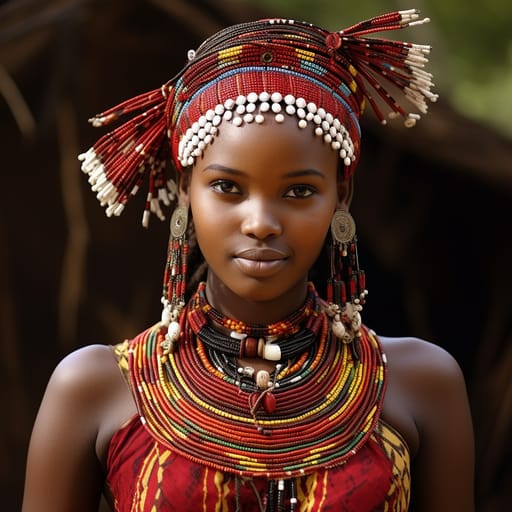
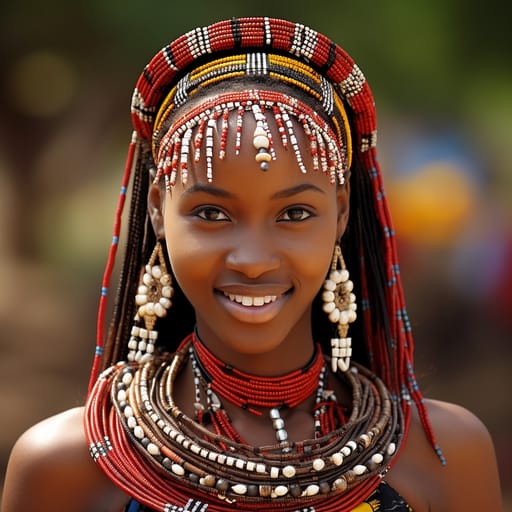
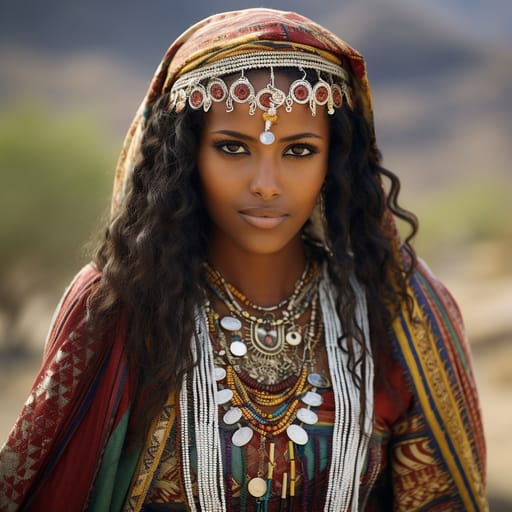
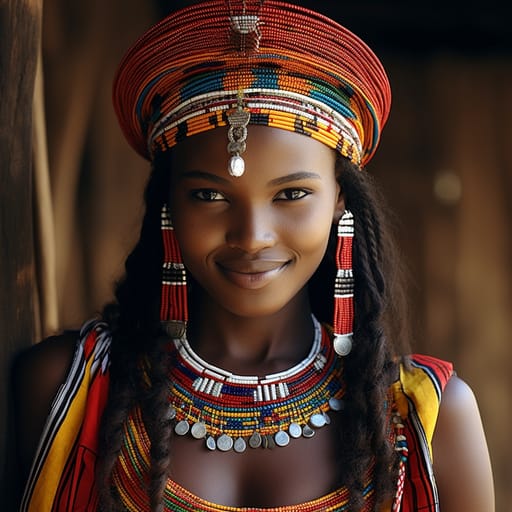
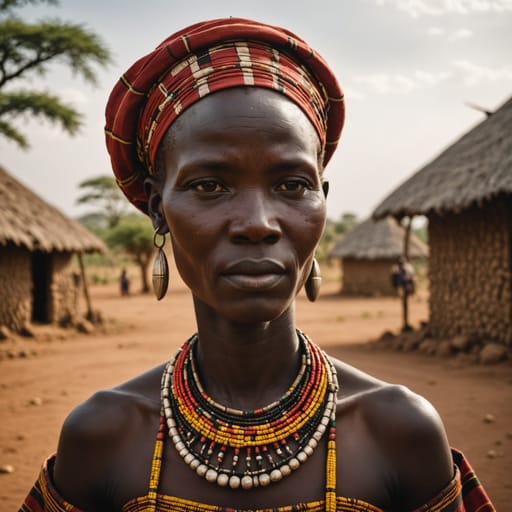
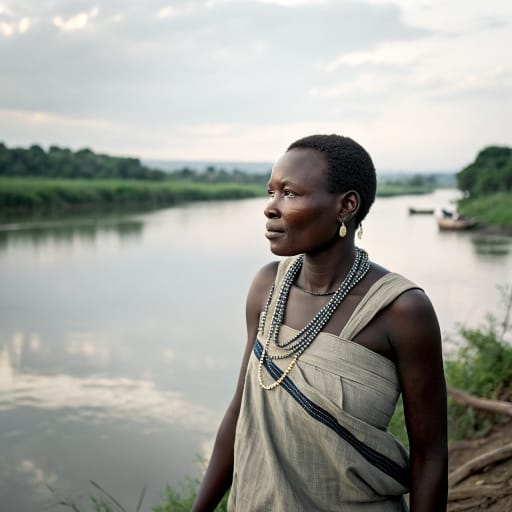
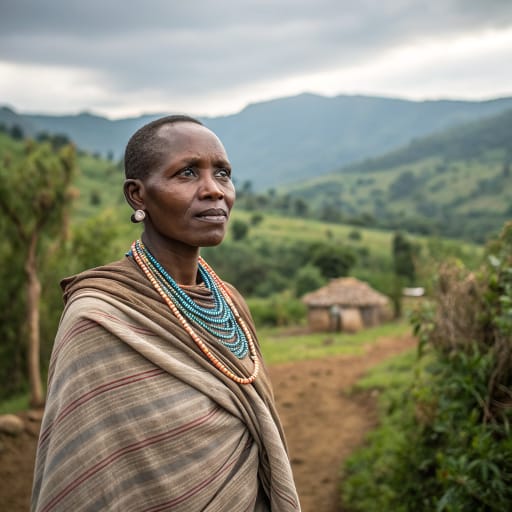
Typical Ikizu Phenotypes
Reference for AI generation: hair, eyes, skin, facial structure, build
Explore phenotype categories
Structured taxonomy with peer-reviewed scales · 22 anatomical categories
Erotic Poses & Sex Positions
From the pose catalog: 219 named positions with reference skeletons
Frequently asked questions about Ikizu people
Where is the Ikizu homeland?
The Ikizu homeland is Hills and plains of Bunda District, Mara Region, northern Tanzania, between the eastern shore of Lake Victoria and the western Serengeti, centered on Chamuriho mountain. in Eastern Africa.
What language do Ikizu people speak?
Ikizu people primarily speak Ikizu (Niger-Congo, Bantu, Great Lakes Bantu, Mara cluster), close to Zanaki and Sizaki; Swahili as the common second language..
What religion do Ikizu people practice?
The predominant religion among Ikizu people is Mostly Christian (Seventh-day Adventist, Catholic, Mennonite and others), with continuing regard for rainmaking, ancestors and sacred sites..






Make your own Ikizu images
Five a day, free, no credits to buy. The studio starts from this group's phenotype data, so you can set body type, pose and style and keep the traits accurate.
Start with Ikizu