No portrait yet
Tongwe Erotic
Eastern shore of Lake Tanganyika around the Mahale Mountains, in Kigoma and Katavi regions of western Tanzania
Tongwe, or Kitongwe (Niger-Congo, Bantu; closest to Bende); Swahili widely spoken
Islam and Christianity, alongside older beliefs in ancestral and mountain spirits and the use of diviners
Bantu peoples of western Tanzania; linguistically closest to the Bende
About Tongwe People
The Tongwe are the people of the Mahale Mountains, the forested range that rises straight up from the eastern shore of Lake Tanganyika in western Tanzania. Their country runs from the lakeshore into the highlands and back into the dry miombo woodland behind them, across what is now Kigoma and Katavi regions. It has always been thinly settled land, and Tongwe life took its shape from how people made a living there: small hamlets spaced far apart, cassava and maize planted in cleared woodland, fish taken from the lake, and game and wild honey taken from the forest.
Their language, Kitongwe, is a Bantu language most closely tied to Bende, spoken by their neighbors to the south. It belongs to the same broad family as the languages of the Ha and the Nyamwezi. Swahili is the language of school, market and government, and most Tongwe switch between the two without a second thought. Religion has layers too. Islam reached the lake country through the nineteenth century caravan trade that ended at Ujiji, and Christianity has its own following. Older practice built around ancestors, mountain spirits and diviners still shapes how many people make sense of illness and bad luck. Nkungwe, the highest peak in the Mahale range, is treated as sacred ground.
The twentieth century rearranged that world. In the 1970s Tanzania's villagization campaign gathered scattered Tongwe households into planned villages, and in 1985 much of the mountain country they had left became Mahale Mountains National Park. The park is known worldwide for its wild chimpanzees, which Kyoto University researchers have studied since the 1960s, and Tongwe men have long worked there as trackers and field assistants. Their knowledge of the forest was something the research could not do without. Japanese ecological anthropologists also lived in Tongwe villages in those years. They described how fear of envy and witchcraft pushed households to share food and kept anyone from getting too far ahead of their neighbors, a leveling habit that suited a small population living close to the margin. Today most Tongwe live in lakeshore and inland villages, where they fish, farm and trade. The mountains of the old homeland are still in view, but people can no longer settle there.
Related ethnic groups
Groups that share Tongwe's homeland, region, language, or religious tradition. These are likely candidates for comparative phenotype reference.
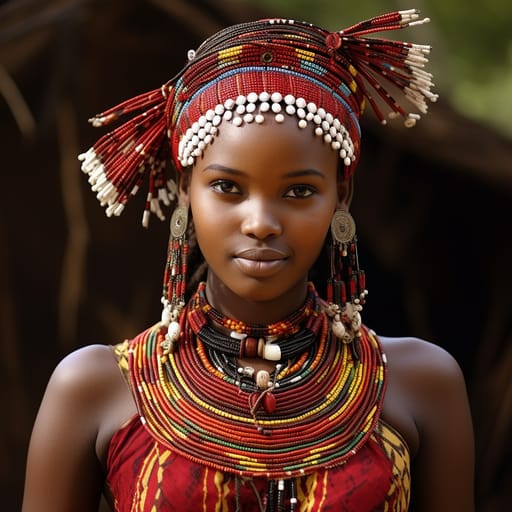
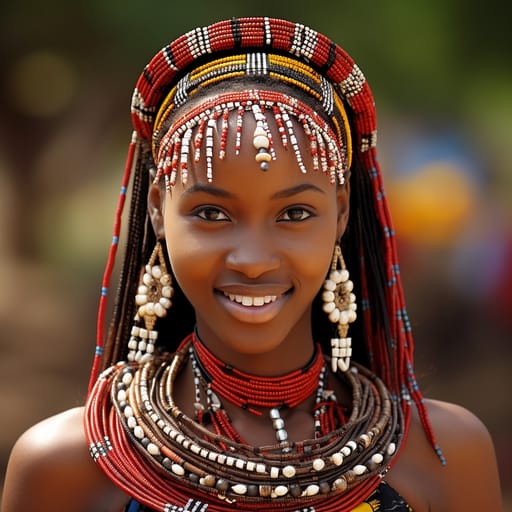
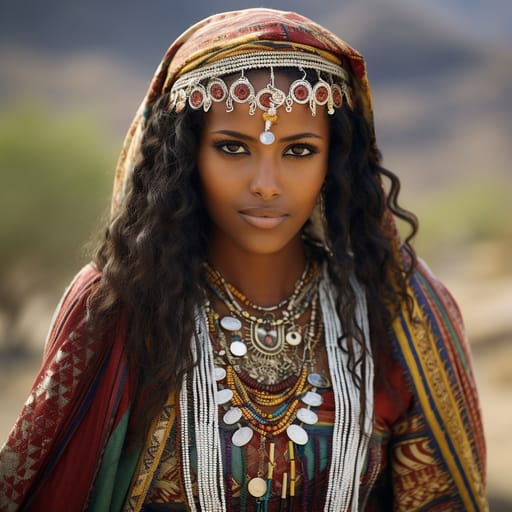
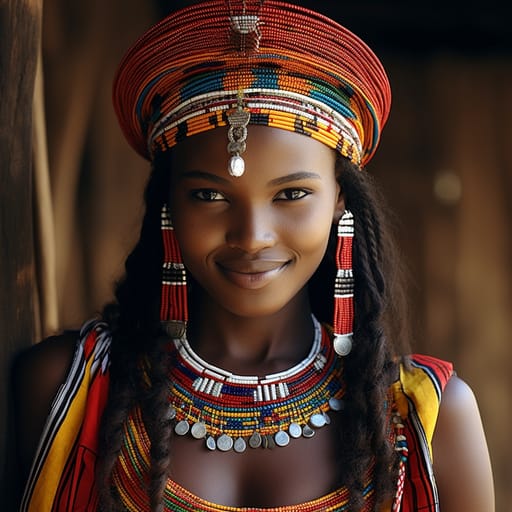
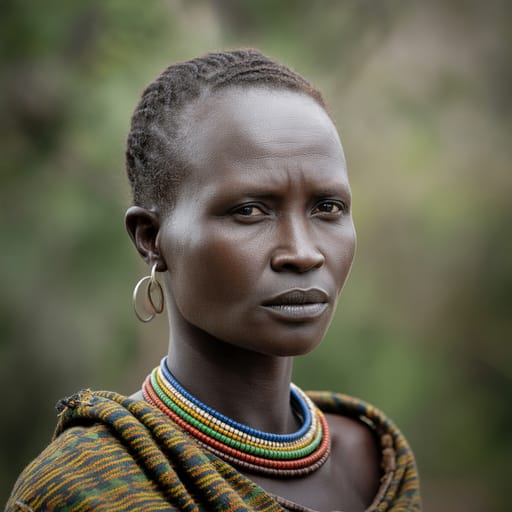
Typical Tongwe Phenotypes
Reference for AI generation: hair, eyes, skin, facial structure, build
Explore phenotype categories
Structured taxonomy with peer-reviewed scales · 22 anatomical categories
Erotic Poses & Sex Positions
From the pose catalog: 219 named positions with reference skeletons
Frequently asked questions about Tongwe people
Where is the Tongwe homeland?
The Tongwe homeland is Eastern shore of Lake Tanganyika around the Mahale Mountains, in Kigoma and Katavi regions of western Tanzania in Eastern Africa.
What language do Tongwe people speak?
Tongwe people primarily speak Tongwe, or Kitongwe (Niger-Congo, Bantu; closest to Bende); Swahili widely spoken.
What religion do Tongwe people practice?
The predominant religion among Tongwe people is Islam and Christianity, alongside older beliefs in ancestral and mountain spirits and the use of diviners.






Make your own Tongwe images
Five a day, free, no credits to buy. The studio starts from this group's phenotype data, so you can set body type, pose and style and keep the traits accurate.
Start with Tongwe