No portrait yet
Shirazi Erotic
Zanzibar (Unguja and Pemba), the Comoros, and the coastal strip of Tanzania, Kenya and northern Mozambique.
Swahili, and Comorian in the Comoros (Niger-Congo, Bantu), both heavily loaned from Arabic and Persian
Sunni Islam of the Shafi'i school, alongside inherited spirit and healing practices
Hadimu (Mbwera), Tumbatu and Wapemba on Zanzibar; part of the wider Swahili coastal population
About Shirazi People
The Shirazi are the long-settled Muslim population of the Swahili coast islands and shoreline: Unguja and Pemba in Zanzibar, the Comoros, and pockets of the mainland coast in Tanzania, Kenya and northern Mozambique. What marks them out is not language or religion, which they share with their neighbors, but a claim of descent. The Kilwa Chronicle tells of a Persian ruler and his sons leaving Shiraz in seven ships and scattering down the coast, each founding a town. For most of the last century historians treated this as a status myth, a borrowed genealogy that let coastal Muslims outrank later arrivals and sit closer to the center of the Islamic world. Then genetic work on medieval coastal graves, published in 2023, found Persian ancestry arriving through men and African ancestry through women, which is not far from what the chronicles had been claiming all along. The Shirazi are an African people with a real Persian thread running through their past.
On Zanzibar the name covers three populations who do not consider themselves interchangeable: the Hadimu of southern and eastern Unguja, known earlier as Mbwera, the Tumbatu of Tumbatu island and the northern tip, and the Wapemba of Pemba. They speak Swahili, a Bantu language carrying centuries of Arabic and Persian loanwords; in the Comoros the equivalent population speaks Comorian, its close relative. Islam is Sunni, of the Shafi'i school, and it structures the calendar, the customary courts and the shape of a life rather than sitting on top of them. It has never displaced the older business of spirits: healers who treat possession, shrines in caves and groves, work a person may do on Thursday and say nothing about on Friday.
The label turned political in the 1950s. The Shirazi Association merged with the African Association in 1957 to form the Afro-Shirazi Party, set against the largely Arab-led nationalists, and in January 1964 the revolution swept away the sultanate at a cost of thousands of lives, most of them Zanzibaris of Arab and South Asian descent. Zanzibar joined Tanganyika months later to make Tanzania, and the Shirazi name receded from official use in favor of plain Zanzibari, though people still give it when asked. The clearest surviving marker is Mwaka Kogwa at Makunduchi, the Persian new year kept in July: men beat each other with banana stalks to discharge the year's grudges, a hut is burned and the smoke read for omens, and women cross the fields in new kanga singing complaints they will not repeat in another month.
Related ethnic groups
Groups that share Shirazi's homeland, region, language, or religious tradition. These are likely candidates for comparative phenotype reference.
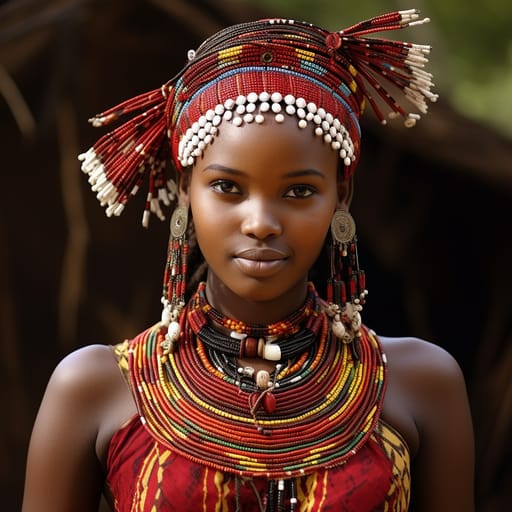
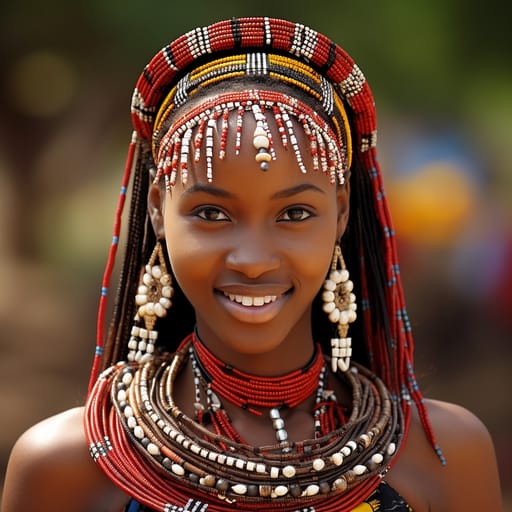
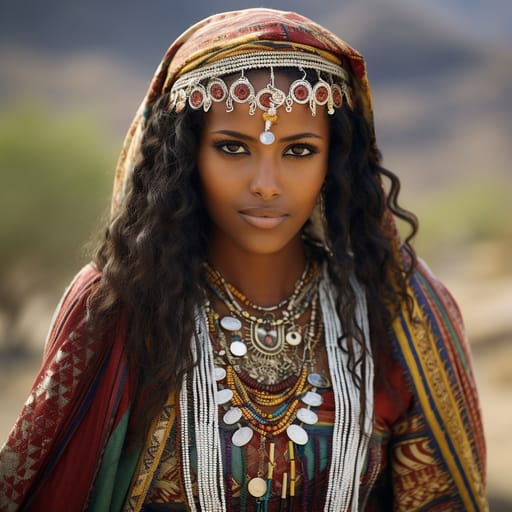
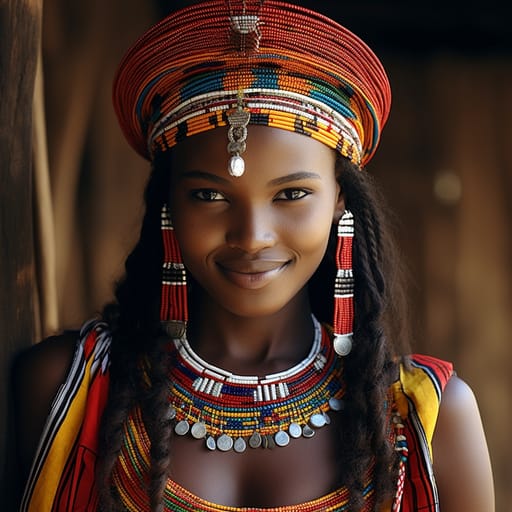
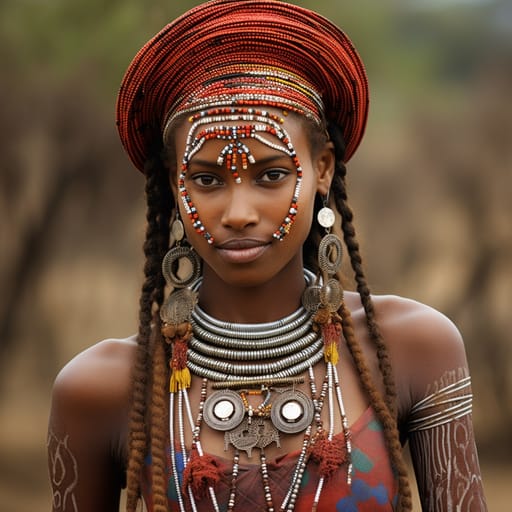
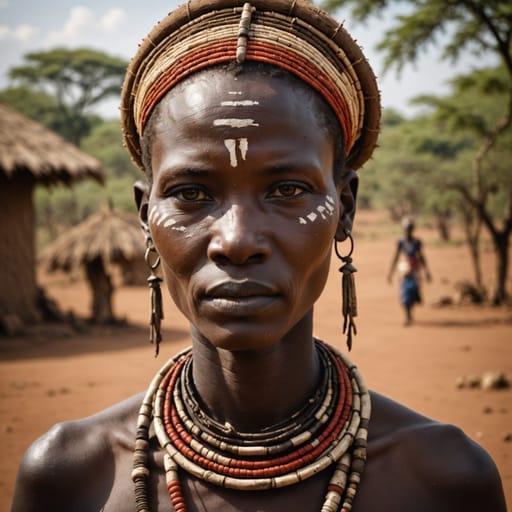
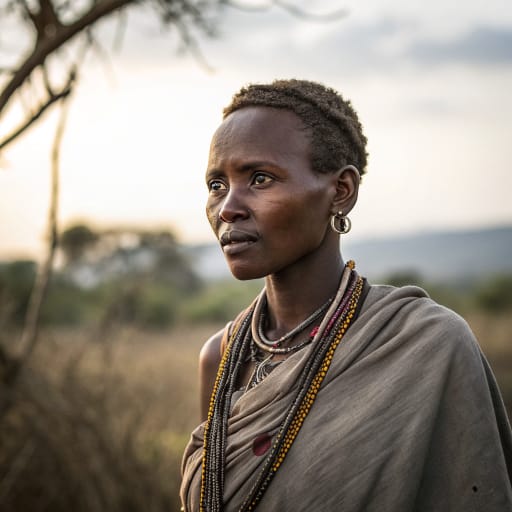
Typical Shirazi Phenotypes
Reference for AI generation: hair, eyes, skin, facial structure, build
Explore phenotype categories
Structured taxonomy with peer-reviewed scales · 22 anatomical categories
Erotic Poses & Sex Positions
From the pose catalog: 219 named positions with reference skeletons
Frequently asked questions about Shirazi people
Where is the Shirazi homeland?
The Shirazi homeland is Zanzibar (Unguja and Pemba), the Comoros, and the coastal strip of Tanzania, Kenya and northern Mozambique. in Eastern Africa.
What language do Shirazi people speak?
Shirazi people primarily speak Swahili, and Comorian in the Comoros (Niger-Congo, Bantu), both heavily loaned from Arabic and Persian.
What religion do Shirazi people practice?
The predominant religion among Shirazi people is Sunni Islam of the Shafi'i school, alongside inherited spirit and healing practices.






Make your own Shirazi images
Five a day, free, no credits to buy. The studio starts from this group's phenotype data, so you can set body type, pose and style and keep the traits accurate.
Start with Shirazi