Help us get this right
Does this portrait look right for Antambahoaka?
Nobody has judged this one yet. You would be the first.
Antambahoaka Erotic
Southeastern coastal Madagascar, centered on Mananjary in the Vatovavy region.
Malagasy, Antambahoaka coastal dialect (Austronesian, Malayo-Polynesian, Barito branch)
Ancestor veneration alongside widespread Christianity, with residual Islamic-derived customs such as pork avoidance in some households.
Zafiraminia lineage, shared with the Antanosy and culturally linked to the Antaimoro; one of Madagascar's coastal (cotier) peoples.
About Antambahoaka People
The Antambahoaka are the smallest of the eighteen or so ethnic groups Madagascar officially recognizes, perhaps fifty to sixty thousand people on a short stretch of the southeast coast centered on the town of Mananjary. Where neighboring peoples root themselves in a territory, the Antambahoaka root themselves in an arrival: descent from Raminia, an ancestor remembered as having come across the sea from somewhere Arab or Arabized. Those descendants, the Zafiraminia, also stand behind the Antanosy, and the same claim links them loosely to the Antaimoro down the coast. In practice this is a statement about lineage rather than creed. Their country is hot, wet and green, a coastal plain of rice, coffee, cloves and litchi behind the lagoons of the Pangalanes, and it sits squarely in the cyclone track: Mananjary has been taken apart by storms more than once in living memory. They speak Malagasy, an Austronesian language whose nearest relatives are in southern Borneo, in a coastal dialect that separates them from the highlands about as clearly as anything else does.
What outsiders know them for, if they know anything, is the Sambatra. Every seven years Mananjary holds a collective circumcision festival for every boy born since the last one: a week and more of processions, zebu, drumming and river water carried back to the ancestral houses, and it pulls relatives home from Antananarivo, Reunion and France. The harder thing to write about is the fady on twins. Antambahoaka custom holds twins to be unlucky and incompatible with the ancestors, and twin infants were historically abandoned or handed away. It has not vanished, but it is now argued about in the open, by mothers who refuse to give up their children, by churches and local associations that shelter them, and by families who accept being cut off from the ancestral tomb rather than comply. Anyone describing the Antambahoaka in the present tense has to hold the festival and the fady at the same time. Religion here is layered: the ancestors come first, addressed at the tomb and through diviners, Christianity arrived with the missions and is now widespread, and the Raminia story survives as habit rather than doctrine, including households that will not eat pork. The southeast was insurgent country in the 1947 rising against French rule, and the repression that followed left a bill the region has never quite finished counting.
Related ethnic groups
Groups that share Antambahoaka's homeland, region, language, or religious tradition. These are likely candidates for comparative phenotype reference.
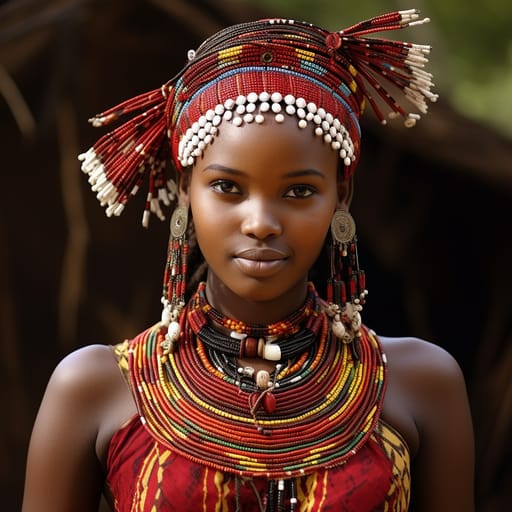
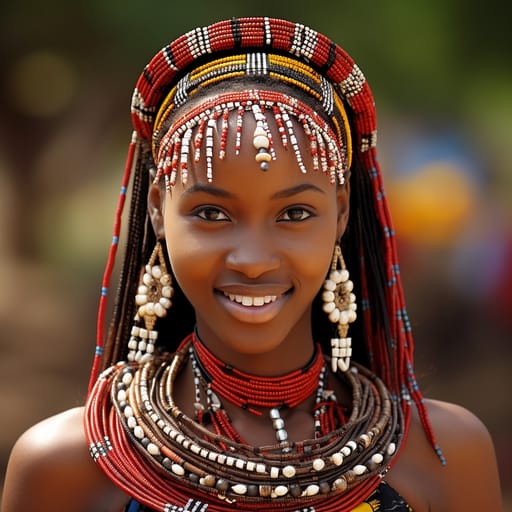
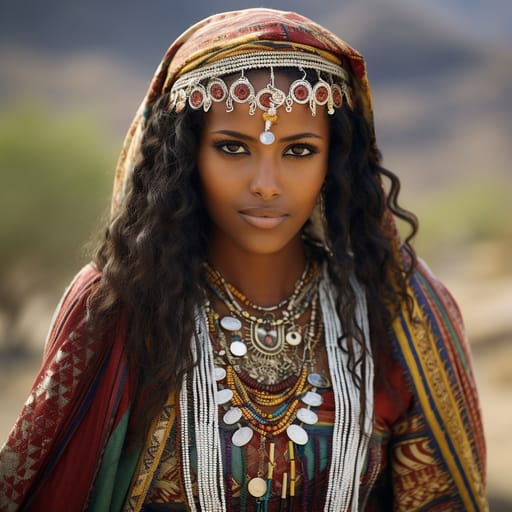
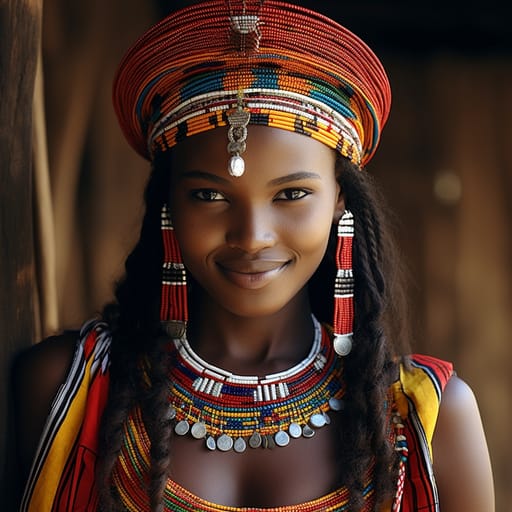
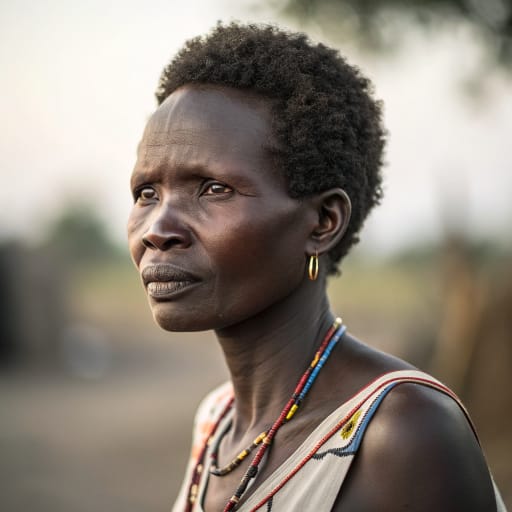
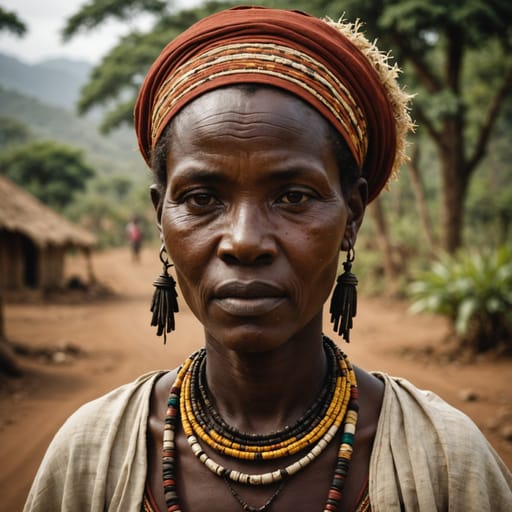
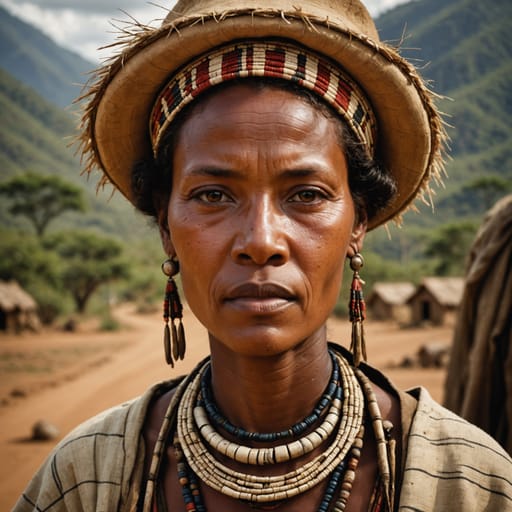
Typical Antambahoaka Phenotypes
Reference for AI generation: hair, eyes, skin, facial structure, build
Explore phenotype categories
Structured taxonomy with peer-reviewed scales · 22 anatomical categories
Erotic Poses & Sex Positions
From the pose catalog: 219 named positions with reference skeletons
Frequently asked questions about Antambahoaka people
Where is the Antambahoaka homeland?
The Antambahoaka homeland is Southeastern coastal Madagascar, centered on Mananjary in the Vatovavy region. in Eastern Africa.
What language do Antambahoaka people speak?
Antambahoaka people primarily speak Malagasy, Antambahoaka coastal dialect (Austronesian, Malayo-Polynesian, Barito branch).
What religion do Antambahoaka people practice?
The predominant religion among Antambahoaka people is Ancestor veneration alongside widespread Christianity, with residual Islamic-derived customs such as pork avoidance in some households..






Make your own Antambahoaka images
Five a day, free, no credits to buy. The studio starts from this group's phenotype data, so you can set body type, pose and style and keep the traits accurate.
Start with Antambahoaka