No portrait yet
Sihanaka Erotic
The Lake Alaotra basin in the Alaotra-Mangoro region of north central Madagascar, centered on Ambatondrazaka, Amparafaravola and Imerimandroso.
Sihanaka dialect of Malagasy (Austronesian, Malayo-Polynesian, Barito branch); French and standard Malagasy in schooling and administration
Predominantly Christian, Protestant and Catholic, practiced alongside ancestral observance and belief in Zanahary and the razana
One of Madagascar's recognized Malagasy peoples, closely tied linguistically to the Merina of the highlands and bordering the Bezanozano and Betsimisaraka to the east
About Sihanaka People
The Sihanaka are defined by a lake. Alaotra, the largest body of water in Madagascar, sits at around 750 meters in the hills northeast of the capital, shallow enough to wade far out into and ringed by a belt of reed and papyrus marsh considerably bigger than the open water itself. The name Sihanaka is usually glossed as those who wander the marshes, and it reads less as poetry than as a job description. Generations of Sihanaka diked, drained and planted the wetland edge until the Alaotra basin became the granary of the island, the region that keeps rice in Antananarivo's markets. A Sihanaka village is organized around that work: paddy on the flats, fish traps and pirogues in the channels, mats and baskets woven from the same reeds that get cleared for the next field. The marsh also holds the bandro, the Alaotra gentle lemur, which lives nowhere else on earth and loses ground every year as more reed bed is burned for rice. The people and the animal are running out of the same room.
Their language is Malagasy, which is to say Austronesian. The Sihanaka dialect belongs, like every Malagasy variety, to the Barito branch whose nearest relatives are spoken on Borneo, and it sits close enough to highland Merina speech that the two shade into each other. Politically the Sihanaka were never a single kingdom. They lived in clan territories under local chiefs, which made them a target rather than a rival once the Merina state pushed north and east in the late eighteenth century, and Radama I brought Alaotra under Antananarivo's control in the 1820s. The basin then supplied the highland capital with rice and with captives, a history local accounts do not romanticize. French colonization after 1896 turned the same flats into commercial rice concessions, and the state has taken an interest in the Alaotra harvest ever since. Most Sihanaka today are Christian, Protestant or Catholic, without that displacing the older architecture of obligation to the razana, the ancestors. Tombs are built to outlast houses. The dead are consulted, fed, and in places disinterred, rewrapped and returned in the famadihana the Sihanaka share with their highland neighbors. Diviners still cast sikidy with seeds to read a problem, and fady, the local prohibitions, shift from one village to the next in ways an outsider tends to discover by breaking one.
Related ethnic groups
Groups that share Sihanaka's homeland, region, language, or religious tradition. These are likely candidates for comparative phenotype reference.
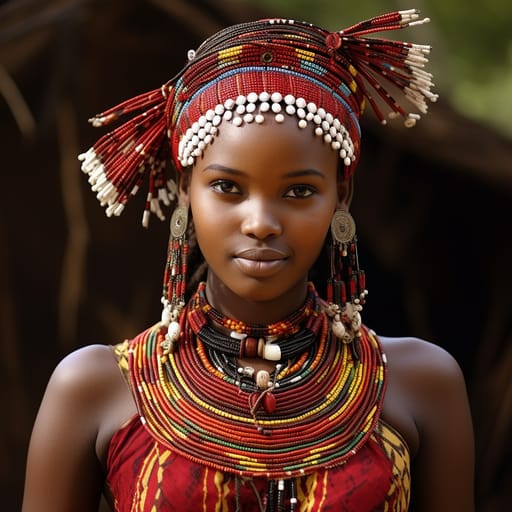
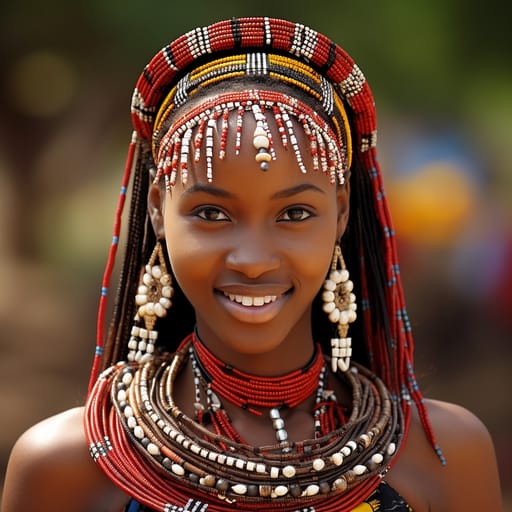
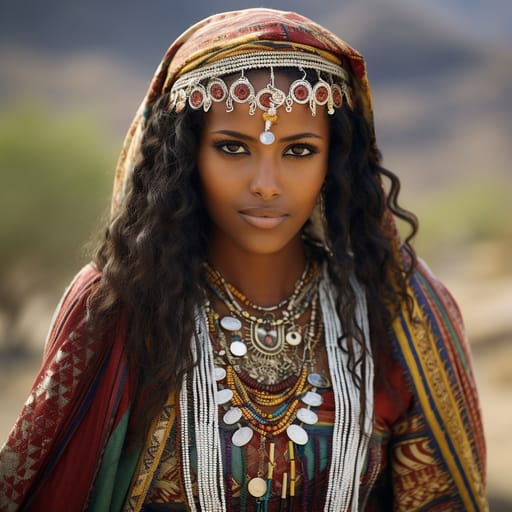
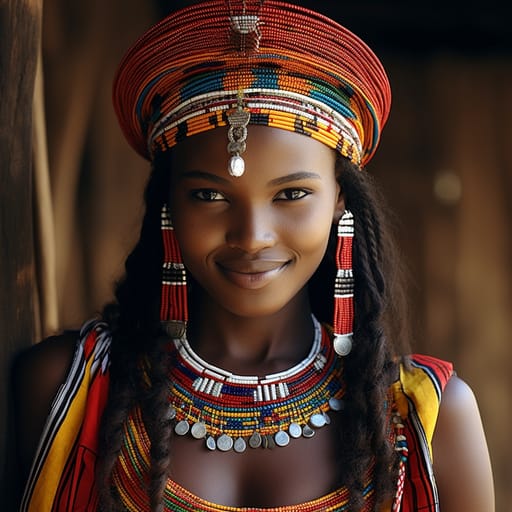
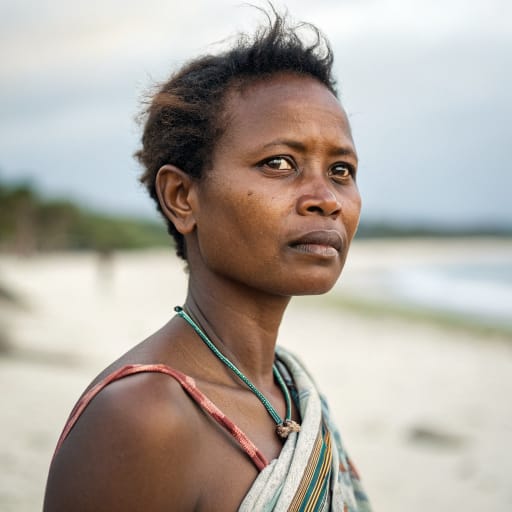
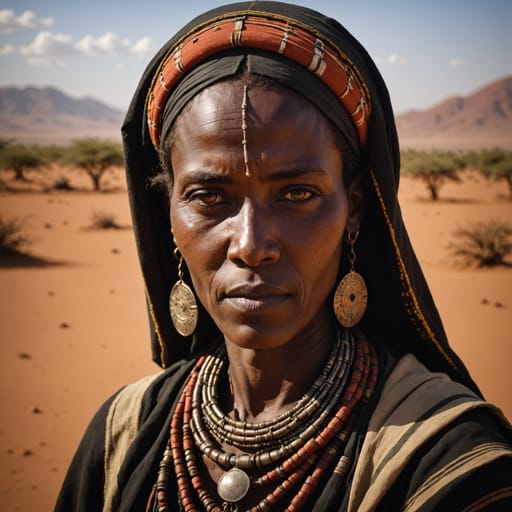
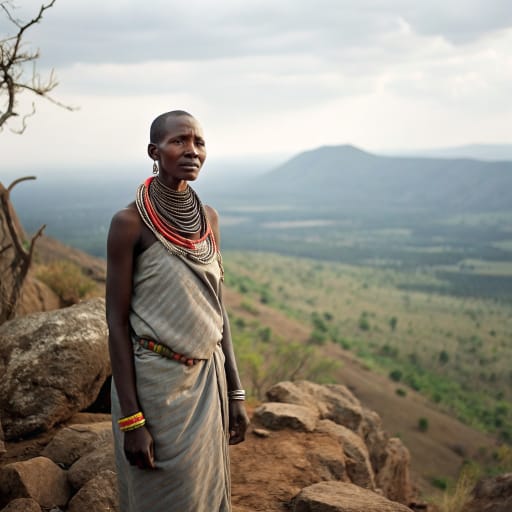
Typical Sihanaka Phenotypes
Reference for AI generation: hair, eyes, skin, facial structure, build
Explore phenotype categories
Structured taxonomy with peer-reviewed scales · 22 anatomical categories
Erotic Poses & Sex Positions
From the pose catalog: 219 named positions with reference skeletons
Frequently asked questions about Sihanaka people
Where is the Sihanaka homeland?
The Sihanaka homeland is The Lake Alaotra basin in the Alaotra-Mangoro region of north central Madagascar, centered on Ambatondrazaka, Amparafaravola and Imerimandroso. in Eastern Africa.
What language do Sihanaka people speak?
Sihanaka people primarily speak Sihanaka dialect of Malagasy (Austronesian, Malayo-Polynesian, Barito branch); French and standard Malagasy in schooling and administration.
What religion do Sihanaka people practice?
The predominant religion among Sihanaka people is Predominantly Christian, Protestant and Catholic, practiced alongside ancestral observance and belief in Zanahary and the razana.






Make your own Sihanaka images
Five a day, free, no credits to buy. The studio starts from this group's phenotype data, so you can set body type, pose and style and keep the traits accurate.
Start with Sihanaka