Help us get this right
Does this portrait look right for Bezanozano?
Nobody has judged this one yet. You would be the first.
Bezanozano Erotic
The Ankay basin and Mangoro river valley of east central Madagascar, centered on Moramanga.
Malagasy, Bezanozano dialect (Austronesian, Barito branch of Malayo-Polynesian)
Ancestor veneration and fady observance alongside Christianity, both Catholic and Protestant.
One of the officially recognized Malagasy peoples, culturally intermediate between the highland Merina and the coastal Betsimisaraka.
About Bezanozano People
The Bezanozano are named for their hair. The word means roughly many little braids, and for a long time that was how travelers picked them out: a head worked into dozens of tight plaits. They live in the Ankay basin of east central Madagascar, the broad plain drained by the Mangoro river, with the town of Moramanga at its center. This is transitional ground. Above them are the bare, worked hills of the Merina highlands. Below and to the east, the land drops through steep rainforest toward Betsimisaraka country and the Indian Ocean. That position made them intermediaries, and through the nineteenth century most of what moved between the port at Toamasina and the capital at Antananarivo moved through their territory or their hands. The road still runs that way, and so does the railway.
Their language is Malagasy, Austronesian, with its nearest relatives in southern Borneo, and the Bezanozano dialect sits about where they do, between the highland and the coastal forms. Christianity, Catholic and Protestant, has been established here for well over a century, but the ancestors carry the older authority. Family tombs fix a lineage to particular ground, and famadihana, the rite in which the dead are lifted out, rewrapped in fresh cloth and carried through the village before being laid back, is kept here as it is elsewhere in the highlands. Fady, the prohibitions inherited from the dead, still shape ordinary decisions: what to eat, when not to work, which ground to leave alone. The forest at Andasibe lies in their country, and the indri, the largest lemur still alive, is protected there by taboo, which is a good part of why it is still alive. Merina armies under Radama I took Ankay early in the nineteenth century, and it did not stay taken quietly. The area's hardest modern memory is 1947, when the anticolonial revolt broke out nearby and French forces answered with mass killings, including prisoners shot in railcars at the Moramanga station. Today the valley grows rice, zebu graze the plain, the Ambatovy nickel and cobalt operation works just outside town, and the forest keeps shrinking. The Bezanozano are among the smaller of Madagascar's recognized peoples and get less notice than the large neighbors on either side of them. That is arithmetic, not significance.
Related ethnic groups
Groups that share Bezanozano's homeland, region, language, or religious tradition. These are likely candidates for comparative phenotype reference.
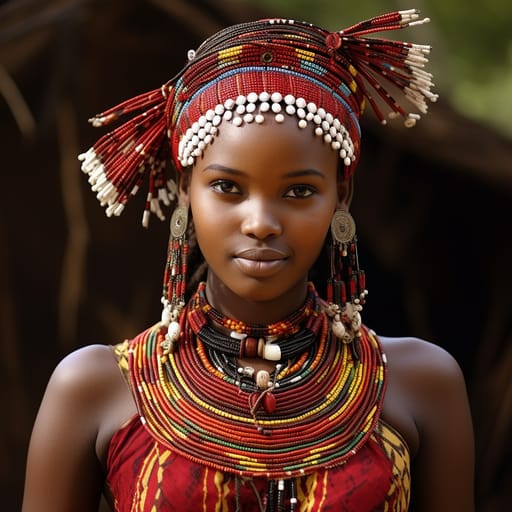
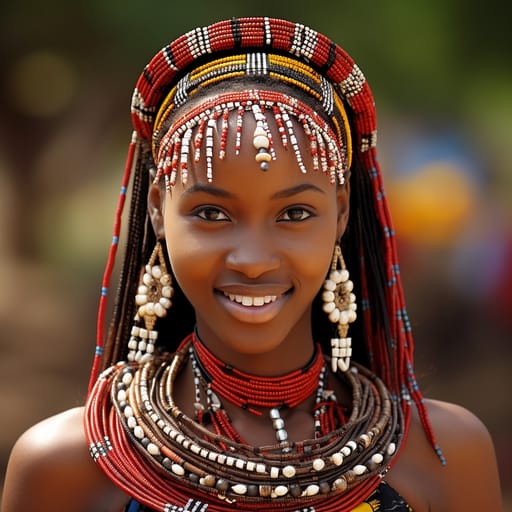
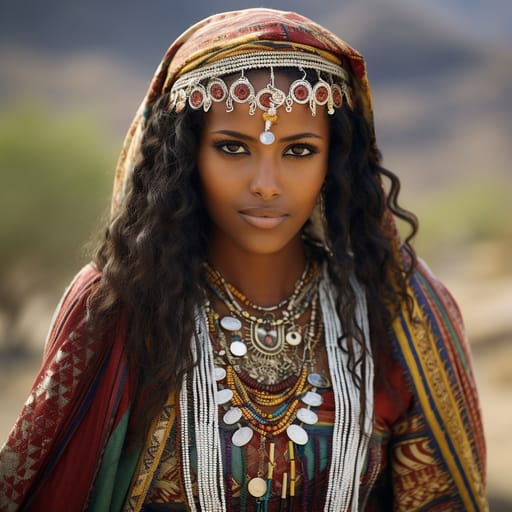
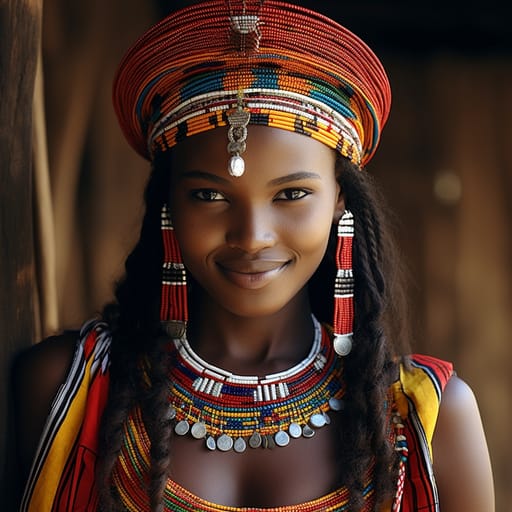
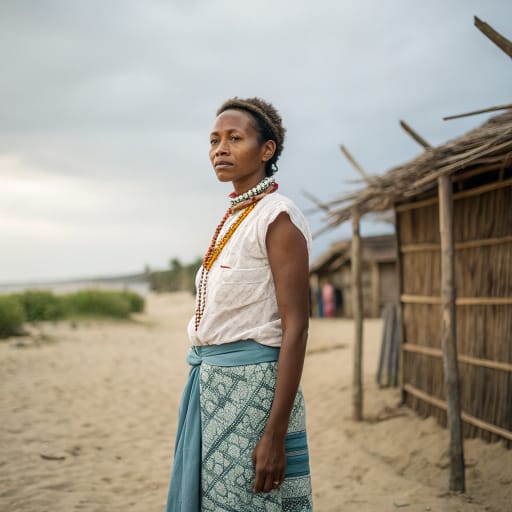
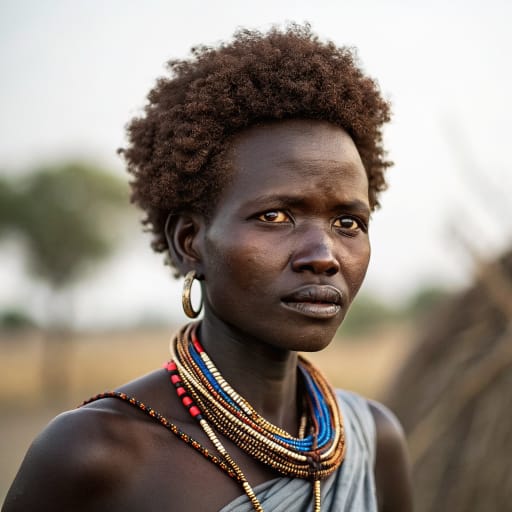
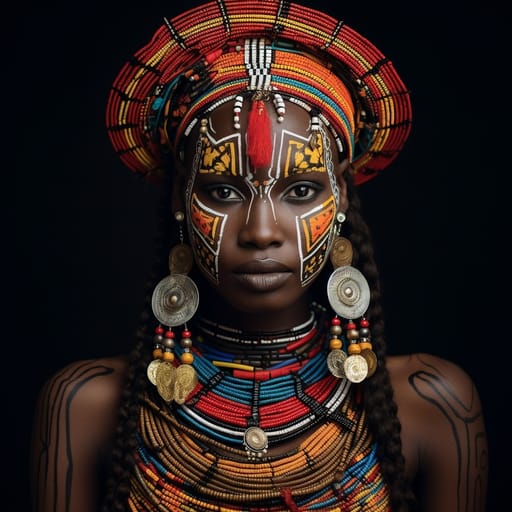
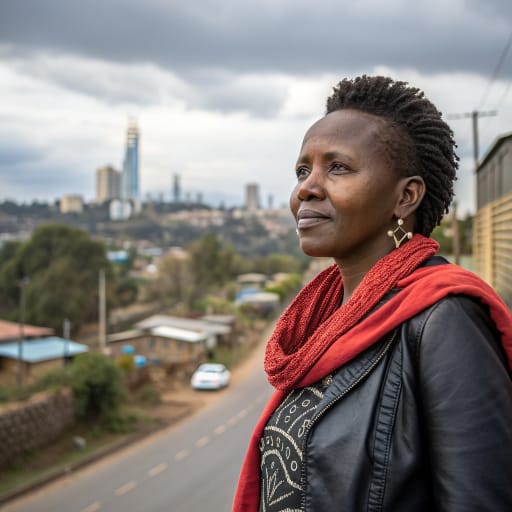
Typical Bezanozano Phenotypes
Reference for AI generation: hair, eyes, skin, facial structure, build
Explore phenotype categories
Structured taxonomy with peer-reviewed scales · 22 anatomical categories
Erotic Poses & Sex Positions
From the pose catalog: 219 named positions with reference skeletons
Frequently asked questions about Bezanozano people
Where is the Bezanozano homeland?
The Bezanozano homeland is The Ankay basin and Mangoro river valley of east central Madagascar, centered on Moramanga. in Eastern Africa.
What language do Bezanozano people speak?
Bezanozano people primarily speak Malagasy, Bezanozano dialect (Austronesian, Barito branch of Malayo-Polynesian).
What religion do Bezanozano people practice?
The predominant religion among Bezanozano people is Ancestor veneration and fady observance alongside Christianity, both Catholic and Protestant..






Make your own Bezanozano images
Five a day, free, no credits to buy. The studio starts from this group's phenotype data, so you can set body type, pose and style and keep the traits accurate.
Start with Bezanozano