Help us get this right
Does this portrait look right for Wameru?
Nobody has judged this one yet. You would be the first.
Wameru Erotic
Southern and eastern slopes of Mount Meru, in Meru District (formerly part of Arumeru District), Arusha Region, northern Tanzania
Kimeru, also called Rwa (Bantu, Chaga group); Swahili widely spoken
Predominantly Christian, mostly Evangelical Lutheran, with Catholic and other Christian minorities
Bantu people of the Kilimanjaro and Meru highlands, linguistically close to the Chaga; organized in patrilineal clans
About Wameru People
Ask someone in Arusha about the Meru and the answer starts with the mountain. The Wameru are the Bantu farmers of the southern and eastern slopes of Mount Meru, the volcano that stands over Arusha town in northern Tanzania. Their country runs through Usa River, Tengeru, Nkoaranga and Poli. It is a crowded patchwork of small farms where bananas shade coffee bushes and a few cattle are kept close to the house. They are not the Meru of Kenya. The names match, but the two peoples speak different languages and have separate histories. Their language, Kimeru, also called Rwa, belongs with the Chaga languages of nearby Kilimanjaro. Their closest neighbors on the mountain, though, are the Arusha, a Maa speaking people who settled the western slopes in the nineteenth century and took up farming. The two communities have traded, intermarried and borrowed from each other ever since. Swahili now dominates school, church and market, and Kimeru is under steady pressure from it. Most Meru are Lutheran, and the church had a hard start there. In 1896 two missionaries from the Leipzig Mission were killed on the mountain, and German colonial forces answered with a punitive expedition. The mission came back a few years later, and Lutheran congregations became one of the institutions Meru life is organized around. The Lutheran university at Makumira sits in Meru country, and Catholic parishes and other churches operate alongside.
Clan still counts. Surnames such as Nnko, Pallangyo, Kaaya and Mbise mark a person as Meru to other Tanzanians, and clan ties carry weight in questions of land and marriage. Land is also the turning point of modern Meru history. In 1951 the British administration evicted Meru families from Engare Nanyuki to make room for European settler farms. The Meru Citizens' Union refused to let it pass quietly and sent Kirilo Japhet to argue the case before the United Nations Trusteeship Council in 1952. The appeal did not win the land back at the time. It did turn a local eviction into an international embarrassment for colonial rule, and it gave early Tanganyikan nationalism one of its clearest grievances. That history still shapes how the Meru talk about land, on a mountain where family plots get smaller with each generation and Arusha keeps spreading toward the villages.
Related ethnic groups
Groups that share Wameru's homeland, region, language, or religious tradition. These are likely candidates for comparative phenotype reference.
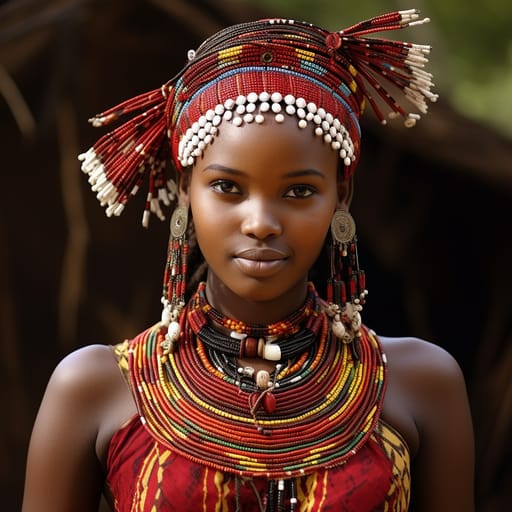
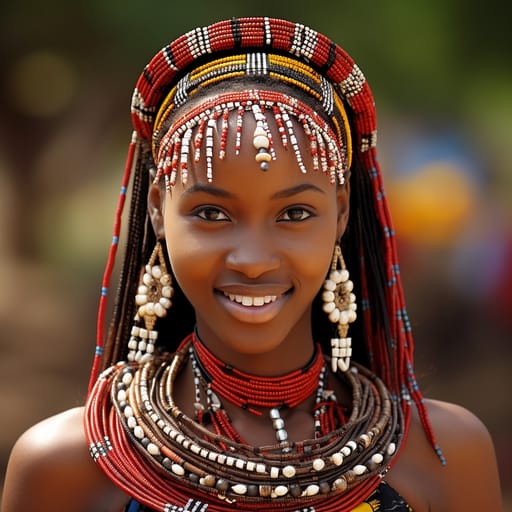
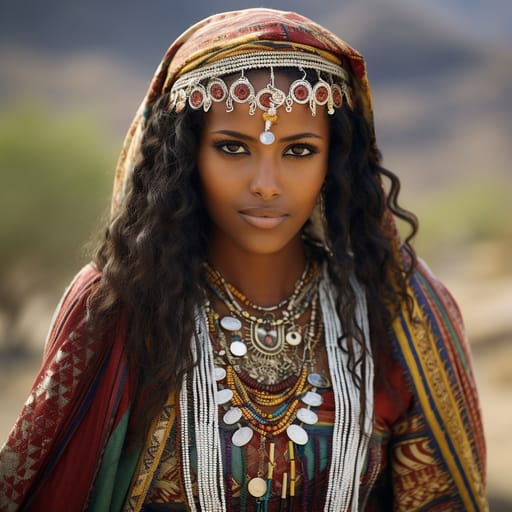
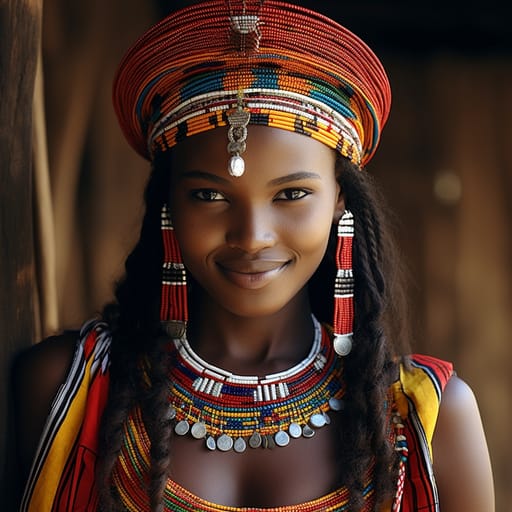

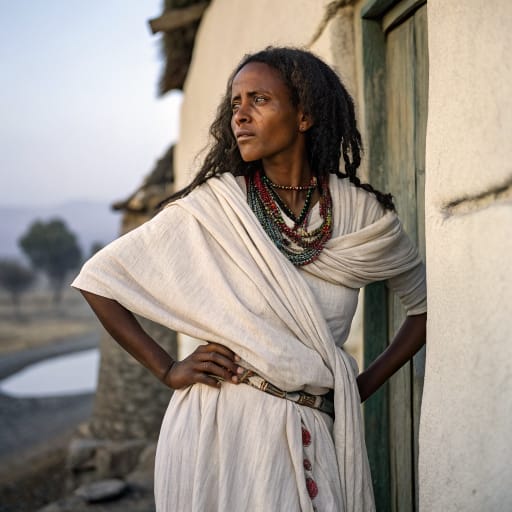

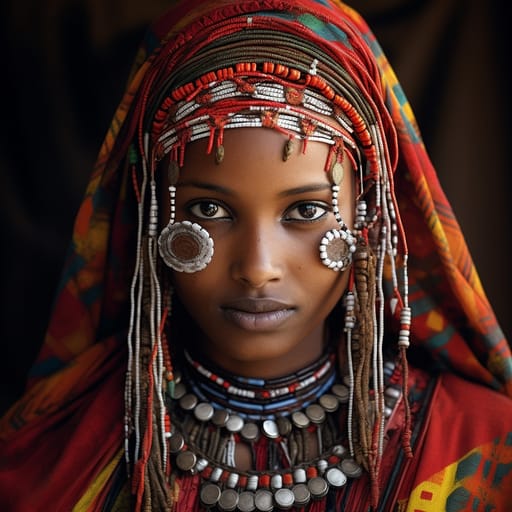
Typical Wameru Phenotypes
Reference for AI generation: hair, eyes, skin, facial structure, build
Explore phenotype categories
Structured taxonomy with peer-reviewed scales · 22 anatomical categories
Erotic Poses & Sex Positions
From the pose catalog: 219 named positions with reference skeletons
Frequently asked questions about Wameru people
Where is the Wameru homeland?
The Wameru homeland is Southern and eastern slopes of Mount Meru, in Meru District (formerly part of Arumeru District), Arusha Region, northern Tanzania in Eastern Africa.
What language do Wameru people speak?
Wameru people primarily speak Kimeru, also called Rwa (Bantu, Chaga group); Swahili widely spoken.
What religion do Wameru people practice?
The predominant religion among Wameru people is Predominantly Christian, mostly Evangelical Lutheran, with Catholic and other Christian minorities.






Make your own Wameru images
Five a day, free, no credits to buy. The studio starts from this group's phenotype data, so you can set body type, pose and style and keep the traits accurate.
Start with Wameru