No portrait yet
Vezo Erotic
Southwestern coast of Madagascar, from around Toliara north through Morombe toward the Mangoky delta
Malagasy, southwestern coastal dialect (Austronesian, Barito branch)
Ancestor veneration (razana) governed by fady taboos, alongside widespread Catholic and Protestant Christianity
Malagasy coastal (cotier) peoples; commonly grouped by outsiders with the Sakalava of the west coast, though Vezo identity is defined by livelihood rather than descent
About Vezo People
Ask what makes someone Vezo and the answer will be about what they do, not who their grandparents were. Along the southwest coast of Madagascar, roughly from Toliara north past Morombe toward the Mangoky delta, being Vezo means working the sea: sailing and paddling a lakana, the dugout outrigger canoe, reading a reef, camping on a beach for a season and moving when the fish move. Anthropologists who have lived among them report what the Vezo say themselves: a Vezo who moves inland and takes up farming stops being Vezo, and an outsider who learns the canoe and lives off the catch becomes one. Identity here is a practice, kept up or set down. Their speech is a coastal dialect of Malagasy, an Austronesian language whose nearest relatives are spoken in southeastern Borneo, thousands of miles east across the Indian Ocean, and which arrived with the settlers who crossed it. Outsiders often file the Vezo under the Sakalava, whose kings ran the west coast for centuries. The Vezo mostly do not.
The country behind them is spiny forest and thin, dry soil, so the reef is the field. Men fish with nets, lines and spears, sometimes days out under sail; women and children work the flats at low tide for octopus, which is both dinner and the main source of cash since export buyers arrived. Sea cucumber and shark fin pulled in the same direction, and stocks thinned. The response was unusual: from the mid-2000s, villages around Andavadoaka began closing patches of reef to octopus fishing for a few months and reopening them to much larger catches, a practice that grew into Velondriake, a network of community-managed marine areas run by the villages themselves and copied along the coast. Ancestors carry more weight than any church, though most Vezo are Christian as well. The dead are consulted, fed and obeyed, and their wishes travel in fady, prohibitions particular to a family or a place: a day nobody sails, a food nobody touches, a stretch of shore left alone. Tombs are built to last in a way houses are not, set apart from the living and sometimes marked with carved posts and painted scenes. A house is for a lifetime. A tomb is for the long haul.
Related ethnic groups
Groups that share Vezo's homeland, region, language, or religious tradition. These are likely candidates for comparative phenotype reference.
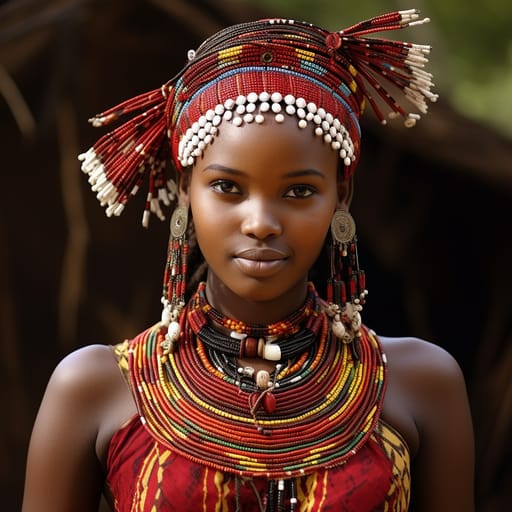
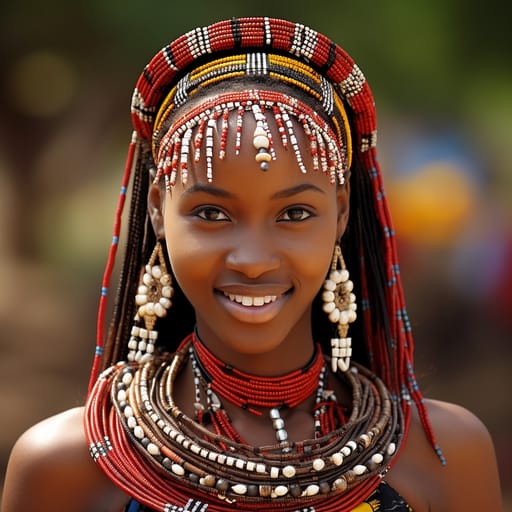
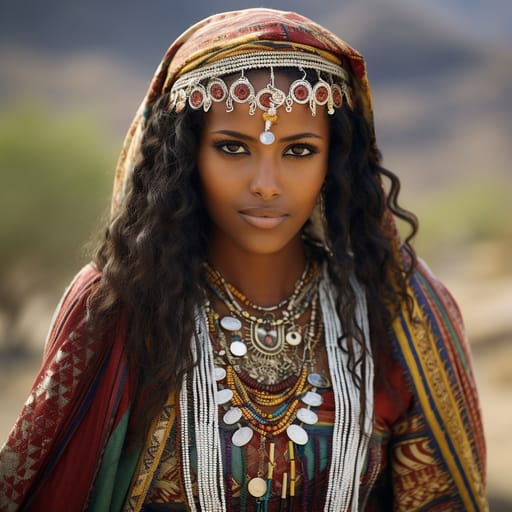
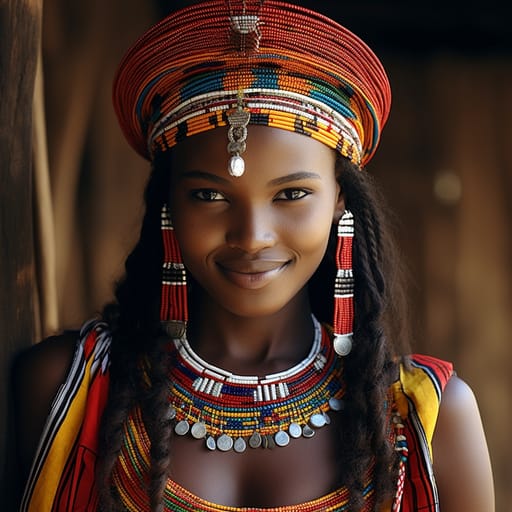
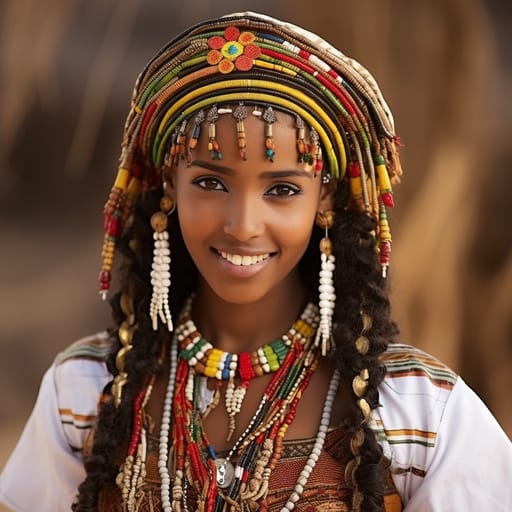
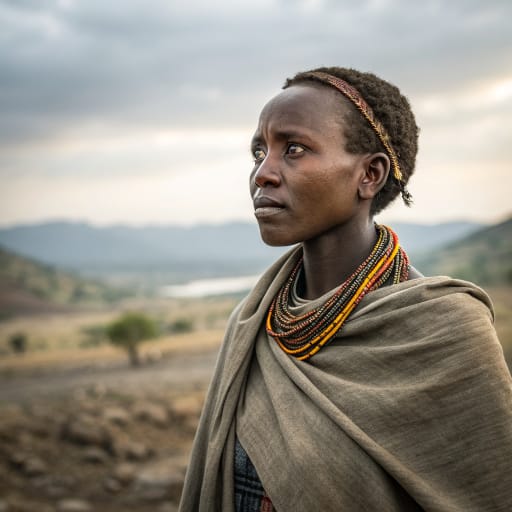
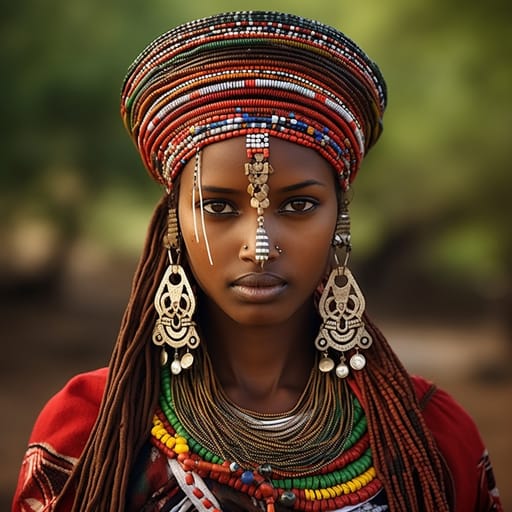
Typical Vezo Phenotypes
Reference for AI generation: hair, eyes, skin, facial structure, build
Explore phenotype categories
Structured taxonomy with peer-reviewed scales · 22 anatomical categories
Erotic Poses & Sex Positions
From the pose catalog: 219 named positions with reference skeletons
Frequently asked questions about Vezo people
Where is the Vezo homeland?
The Vezo homeland is Southwestern coast of Madagascar, from around Toliara north through Morombe toward the Mangoky delta in Eastern Africa.
What language do Vezo people speak?
Vezo people primarily speak Malagasy, southwestern coastal dialect (Austronesian, Barito branch).
What religion do Vezo people practice?
The predominant religion among Vezo people is Ancestor veneration (razana) governed by fady taboos, alongside widespread Catholic and Protestant Christianity.






Make your own Vezo images
Five a day, free, no credits to buy. The studio starts from this group's phenotype data, so you can set body type, pose and style and keep the traits accurate.
Start with Vezo