No portrait yet
Taveta Erotic
Taveta area of Taita-Taveta County in southeastern Kenya, at the foot of Mount Kilimanjaro near Lake Chala and Lake Jipe, along the Tanzanian border
Kitaveta (Bantu, Niger-Congo), related to Chaga and Gweno; Swahili and English widely used
Mostly Christian (Protestant and Catholic), with a Muslim minority
Bantu people of the Kilimanjaro borderlands, with clan origins among the Gweno (North Pare), Chaga, Taita, Kamba and Maasai; grouped administratively with the Taita in Taita-Taveta County
About Taveta People
The Taveta are defined by a place before anything else: the forest and irrigated farmland along the Lumi River at the southeastern foot of Kilimanjaro. Water coming off the mountain feeds springs, streams and the lakes of Chala and Jipe there before the country dries out into open plain. For centuries this green pocket on the border between Kenya and Tanzania has been a stopping place, a market and a meeting ground. The people who hold it have been shaped by everyone who passed through.
They are less a single lineage than a community built up over generations. Taveta clans trace their roots to settlers from the Gweno of the North Pare hills, from Chaga country on the mountain, and from Taita, Kamba and Maasai neighbors. Newcomers were brought in rather than kept apart, so belonging rests on clan and on the land itself more than on one shared origin story. Their language, Kitaveta, carries that history. It is a Bantu language close to the Chaga and Gweno speech across the border and distinct from the Taita languages spoken in the hills to the east. Most Taveta also speak Swahili, and English is used in school and government.
In the nineteenth century the Taveta forest was a well-known stop on the caravan road from the Swahili coast to Kilimanjaro. Porters and traders came in worn down from the dry country to the east, and Taveta farmers sold them food and gave them rest, dealing with coastal and later European travelers on their own terms. Missionaries followed the same road. Today the Taveta are largely Christian, and Islam, carried inland by the old trade, has a smaller following.
The twentieth century was harder. When the First World War reached East Africa in 1914, German forces from German East Africa occupied Taveta. The district stayed a front line until the British offensive of 1916, fought over Salaita Hill and Latema Nek, pushed them back. Colonial rule then carved large estates out of the surrounding land, and who owns that ground is still argued over. Within Taita-Taveta County the Taveta are outnumbered by the Taita, a fact that colors local politics. Most Taveta still farm, growing bananas, maize and vegetables on irrigated plots, while Taveta town has become a busy crossing point into Tanzania.
Related ethnic groups
Groups that share Taveta's homeland, region, language, or religious tradition. These are likely candidates for comparative phenotype reference.
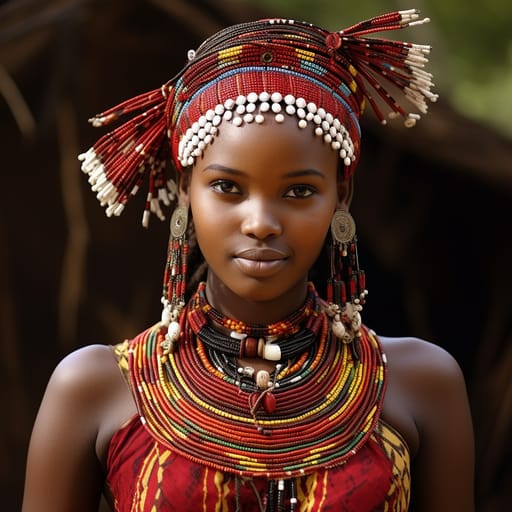
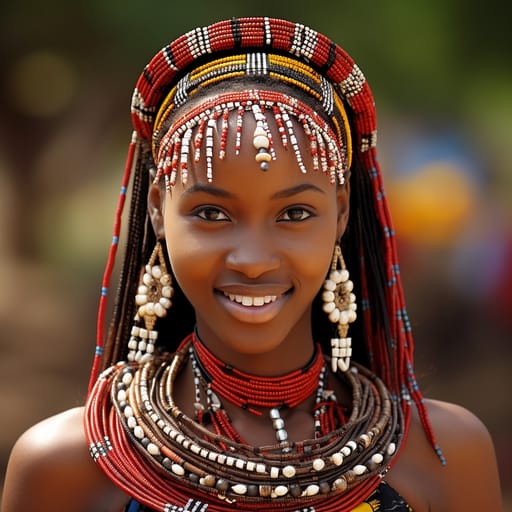
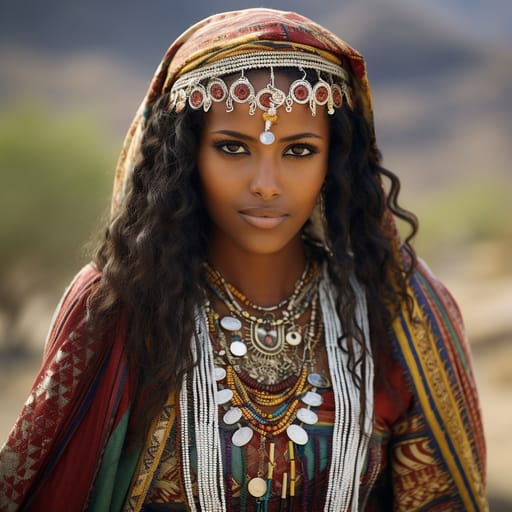
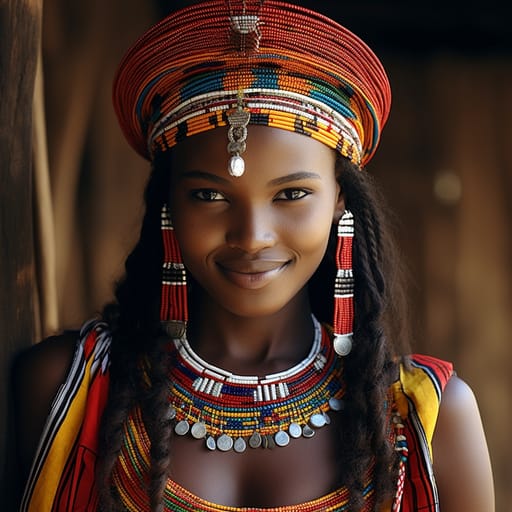

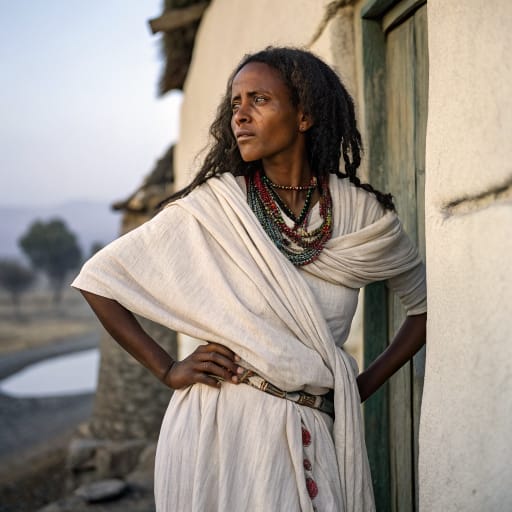

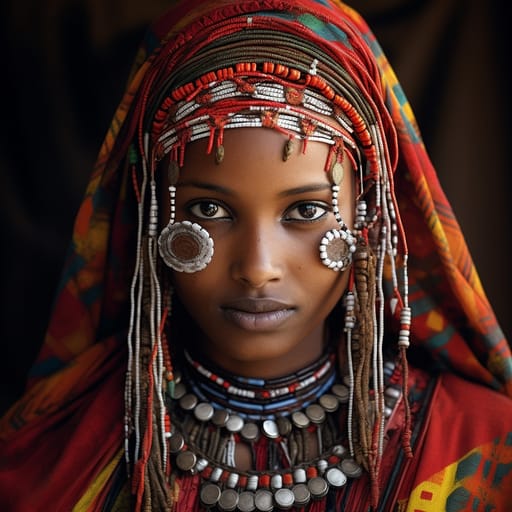
Typical Taveta Phenotypes
Reference for AI generation: hair, eyes, skin, facial structure, build
Explore phenotype categories
Structured taxonomy with peer-reviewed scales · 22 anatomical categories
Erotic Poses & Sex Positions
From the pose catalog: 219 named positions with reference skeletons
Frequently asked questions about Taveta people
Where is the Taveta homeland?
The Taveta homeland is Taveta area of Taita-Taveta County in southeastern Kenya, at the foot of Mount Kilimanjaro near Lake Chala and Lake Jipe, along the Tanzanian border in Eastern Africa.
What language do Taveta people speak?
Taveta people primarily speak Kitaveta (Bantu, Niger-Congo), related to Chaga and Gweno; Swahili and English widely used.
What religion do Taveta people practice?
The predominant religion among Taveta people is Mostly Christian (Protestant and Catholic), with a Muslim minority.






Make your own Taveta images
Five a day, free, no credits to buy. The studio starts from this group's phenotype data, so you can set body type, pose and style and keep the traits accurate.
Start with Taveta