No portrait yet
Baruuli Erotic
Buruuli, central Uganda, mainly Nakasongola District, south of Lake Kyoga
Ruruuli, usually counted with Lunyala as one language, Ruruuli-Lunyala (Niger-Congo, Bantu, Great Lakes Bantu); Luganda widely spoken as a second language
Mostly Christian (Anglican and Roman Catholic), with a Muslim minority
Great Lakes Bantu; closest kin are the Banyala of Kayunga, with historical ties to Bunyoro-Kitara
About Baruuli People
The Baruuli are the people of Buruuli, an area of dry grassland, woodland and papyrus swamp in central Uganda that runs north to the shores of Lake Kyoga. For most of the past century, maps and government files have listed them under Buganda. Ask the Baruuli themselves and you usually get a different answer: they are a people in their own right, with their own language, their own clans and their own cultural leader, the Isabaruuli.
That claim comes from where Buruuli sits. It was frontier ground between the kingdoms of Bunyoro-Kitara and Buganda, and the Baruuli trace their older ties to Bunyoro. In the 1890s, British forces and their Ganda allies broke the power of the Nyoro king Kabalega. Buruuli ended up inside Buganda and was run as one of its counties for the whole colonial period. The 1964 referendum on the Lost Counties returned two counties to Bunyoro, and Buruuli was not one of them. Most of the old county is now Nakasongola District. How far the Buganda kingdom speaks for the Baruuli is still an open question, and at times a heated one.
Their language, Ruruuli, is a Great Lakes Bantu language. It is so close to Lunyala, the language of the Banyala in nearby Kayunga, that linguists usually count the two as a single language, Ruruuli-Lunyala. It has a lot in common with both Runyoro and Luganda. Generations of schools, churches and local government working in Luganda have pulled many speakers toward the larger language, especially younger ones.
Buruuli lies in Uganda's cattle corridor. Daily life is a mix of herding and small farming, plus fishing along the lakeshore. Charcoal burning has become a major source of income and also a major worry, because the woodland is thinning across the district. Most Baruuli are Christian, either Anglican or Catholic, and there is a Muslim minority. Church life runs alongside clan membership, which still matters in family affairs and marriage. The office of the Isabaruuli gives that identity a public face, both at ceremonies and in the long push for recognition as a people separate from Buganda.
Related ethnic groups
Groups that share Baruuli's homeland, region, language, or religious tradition. These are likely candidates for comparative phenotype reference.
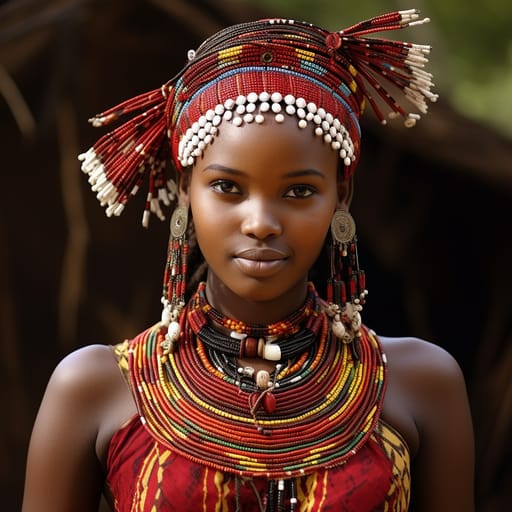
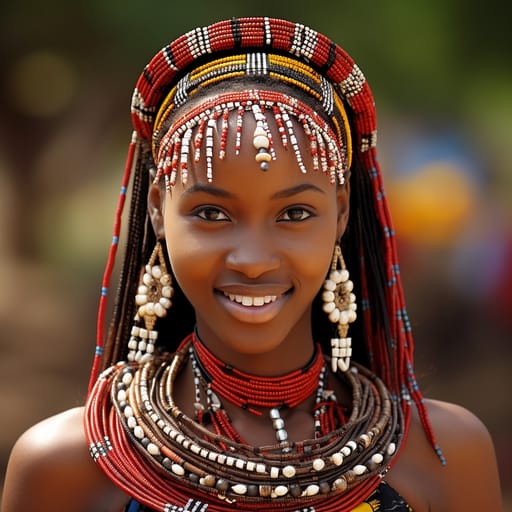
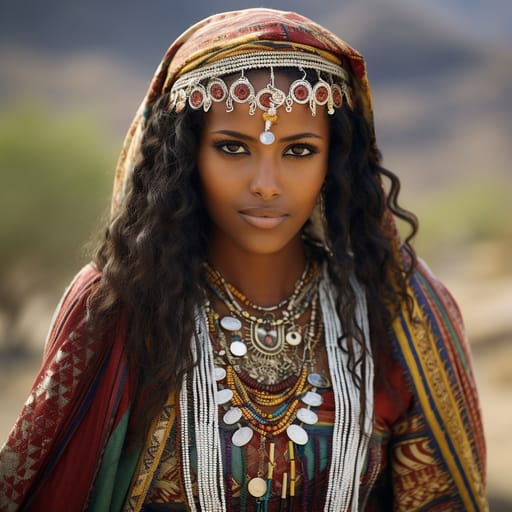
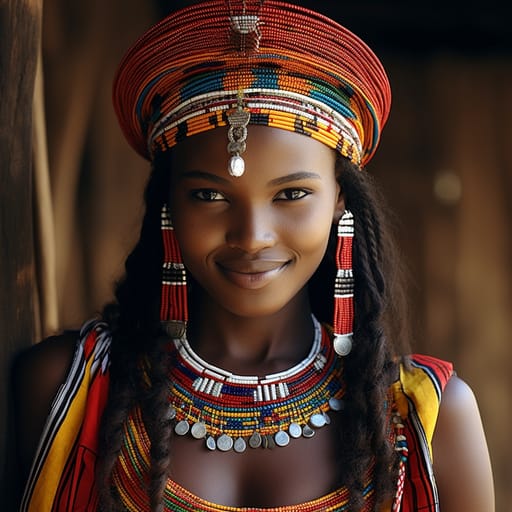
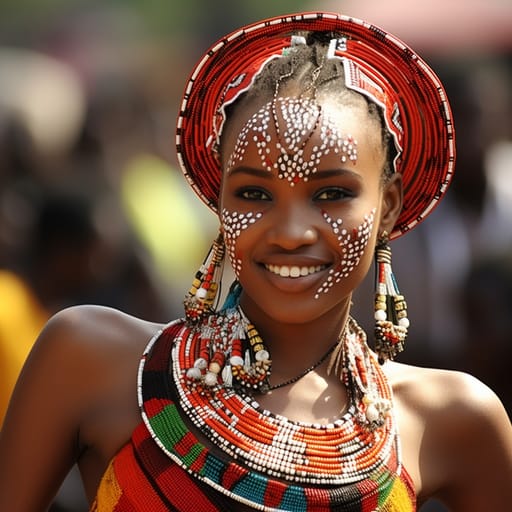
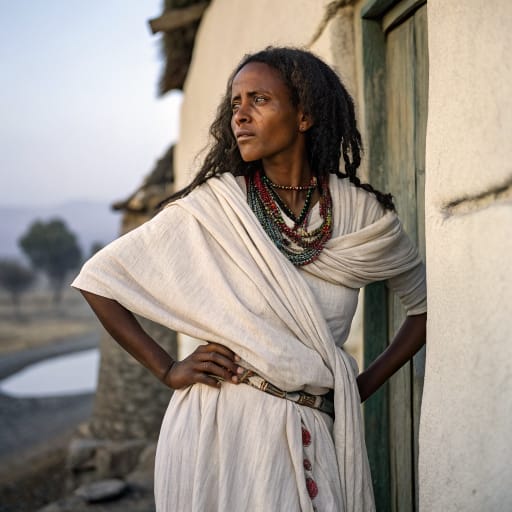
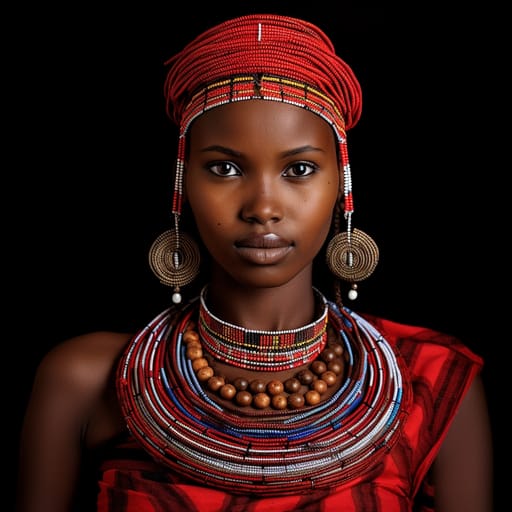
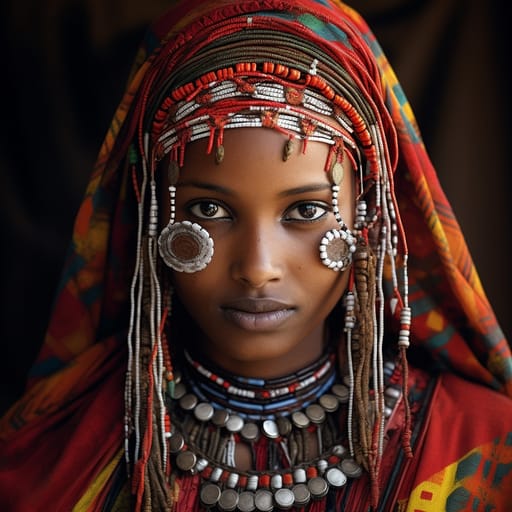
Typical Baruuli Phenotypes
Reference for AI generation: hair, eyes, skin, facial structure, build
Explore phenotype categories
Structured taxonomy with peer-reviewed scales · 22 anatomical categories
Erotic Poses & Sex Positions
From the pose catalog: 219 named positions with reference skeletons
Frequently asked questions about Baruuli people
Where is the Baruuli homeland?
The Baruuli homeland is Buruuli, central Uganda, mainly Nakasongola District, south of Lake Kyoga in Eastern Africa.
What language do Baruuli people speak?
Baruuli people primarily speak Ruruuli, usually counted with Lunyala as one language, Ruruuli-Lunyala (Niger-Congo, Bantu, Great Lakes Bantu); Luganda widely spoken as a second language.
What religion do Baruuli people practice?
The predominant religion among Baruuli people is Mostly Christian (Anglican and Roman Catholic), with a Muslim minority.






Make your own Baruuli images
Five a day, free, no credits to buy. The studio starts from this group's phenotype data, so you can set body type, pose and style and keep the traits accurate.
Start with Baruuli