Help us get this right
Does this portrait look right for Mauritian Creoles?
Nobody has judged this one yet. You would be the first.
Mauritian Creoles Erotic
Mauritius, including Rodrigues and the outer islands; concentrated in the suburbs of Port Louis and the fishing villages of the southwest coast. Diaspora in France, the United Kingdom, Australia and Canada.
Mauritian Creole, Kreol Morisien (French-based creole), with a distinct Rodriguan variety; French and English also widely used
Predominantly Roman Catholic, with growing Pentecostal churches and a small Rastafari presence
Afro-Malagasy Creoles, mixed-ancestry Creoles (gens de couleur), Rodriguans, Chagossians (Ilois); classed in the constitution within the General Population
About Mauritian Creoles People
On an island with no indigenous population, where everyone descends from someone who came by ship, Mauritian Creoles are the people whose ancestors came in chains. They descend mainly from Africans and Malagasy enslaved on the sugar estates of French and then British Mauritius, taken from Mozambique, Madagascar, the East African coast and, in smaller numbers, West Africa and India. They make up roughly a quarter of the country's population, though nobody can say exactly: the census stopped recording ethnicity after 1972, and the constitution files Creoles under General Population, a leftover category they share with the small Franco-Mauritian elite whose forebears owned theirs.
Their language won the island. Kreol Morisien, a French-lexicon creole forged on the plantations, is the first language of nearly every Mauritian whatever their ancestry, yet it reached the school curriculum only in 2012. Their music did the same. Sega began as the after-hours music of the enslaved, driven by the ravanne, a goatskin frame drum warmed over a fire before playing, with a rattle and triangle alongside. It is now the national sound, and its traditional form sits on UNESCO's intangible heritage list. The singer Kaya fused it with reggae to make seggae; his death in police custody in 1999 set off days of rioting that showed how much resentment had built up in Creole neighborhoods.
Abolition came on February 1, 1835, now a public holiday. Once the forced apprenticeship that followed ended in 1839, the freed largely walked off the estates and settled the coasts as fishers, artisans and dockers, while planters replaced them with indentured labor from India. That exit shaped everything after: Creoles ended up with little land, thin representation in government and business, and a persistent poverty that a Creole priest named in 1993 as le malaise créole. The phrase stuck because it was accurate. Most Creoles are Roman Catholic, and the faith is lived in public. Each September, crowds walk through the night to the tomb of Père Laval, the French missionary who worked among the newly freed from 1841, and Mauritians of every religion join them.
The label covers several communities. Rodrigues, the smaller island to the east, is almost entirely Creole and Catholic, with its own accent and an accordion-led music. The Chagossians, expelled by Britain between 1968 and 1973 to clear Diego Garcia for an American base, landed mostly in the poor quarters of Port Louis. On the main island, Creole life centers on the capital's working-class suburbs and the fishing villages of the southwest, under Le Morne Brabant, the basalt mountain where runaway slaves once hid and which is now a World Heritage Site and the community's chief monument.
Related ethnic groups
Groups that share Mauritian Creoles's homeland, region, language, or religious tradition. These are likely candidates for comparative phenotype reference.
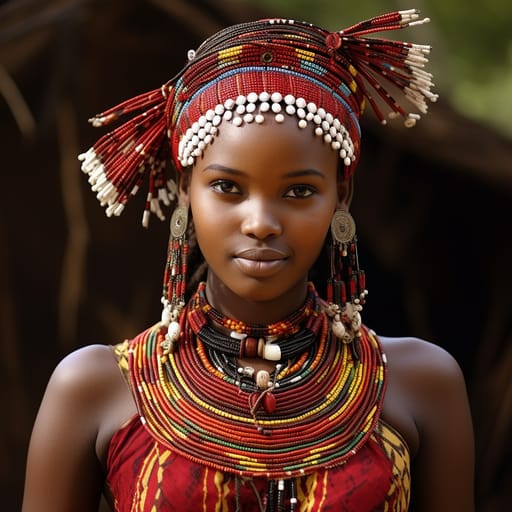
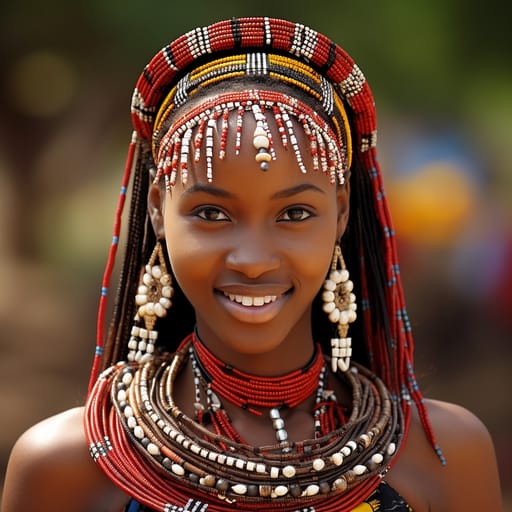
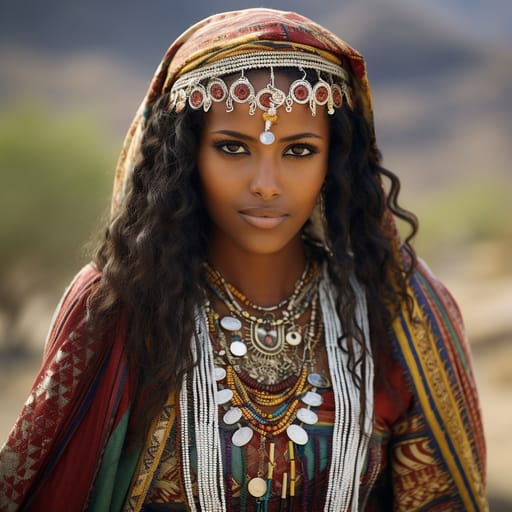
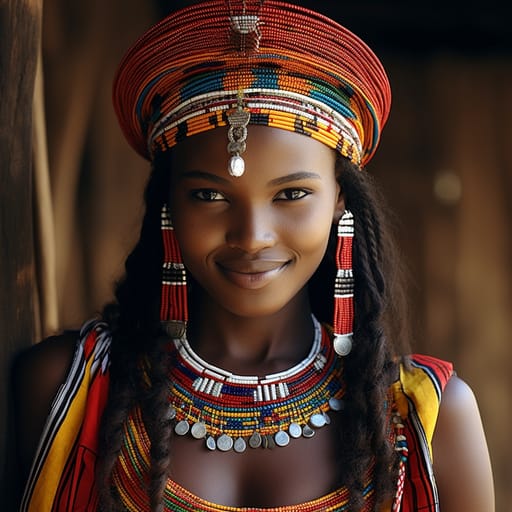
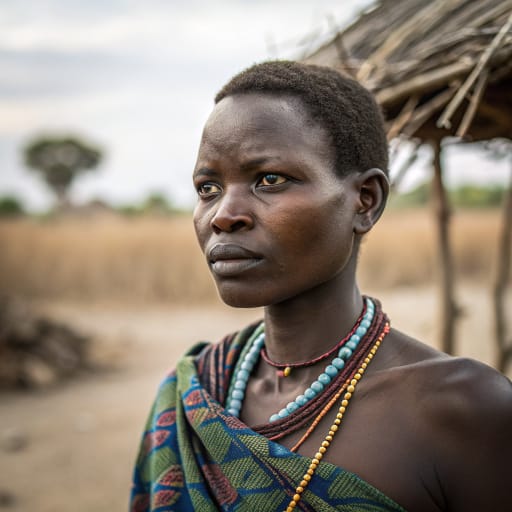
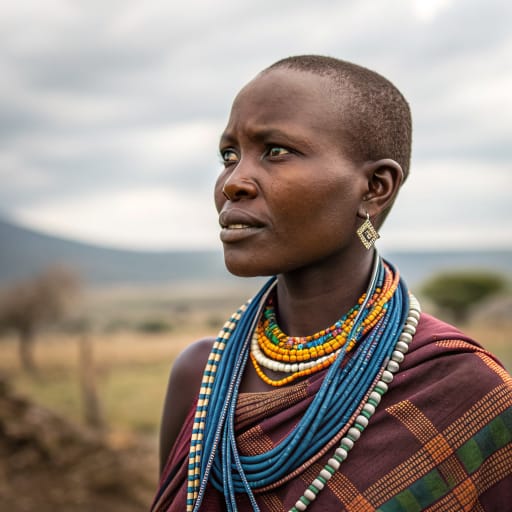
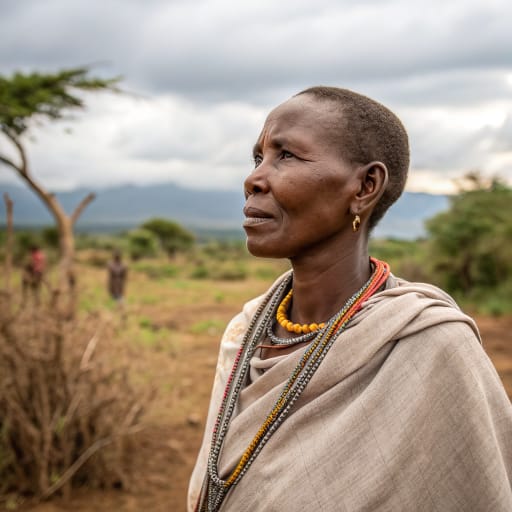
Typical Mauritian Creoles Phenotypes
Reference for AI generation: hair, eyes, skin, facial structure, build
Explore phenotype categories
Structured taxonomy with peer-reviewed scales · 22 anatomical categories
Erotic Poses & Sex Positions
From the pose catalog: 219 named positions with reference skeletons
Frequently asked questions about Mauritian Creoles people
Where is the Mauritian Creoles homeland?
The Mauritian Creoles homeland is Mauritius, including Rodrigues and the outer islands; concentrated in the suburbs of Port Louis and the fishing villages of the southwest coast. Diaspora in France, the United Kingdom, Australia and Canada. in Eastern Africa.
What language do Mauritian Creoles people speak?
Mauritian Creoles people primarily speak Mauritian Creole, Kreol Morisien (French-based creole), with a distinct Rodriguan variety; French and English also widely used.
What religion do Mauritian Creoles people practice?
The predominant religion among Mauritian Creoles people is Predominantly Roman Catholic, with growing Pentecostal churches and a small Rastafari presence.






Make your own Mauritian Creoles images
Five a day, free, no credits to buy. The studio starts from this group's phenotype data, so you can set body type, pose and style and keep the traits accurate.
Start with Mauritian Creoles