No portrait yet
Lambya Erotic
Chitipa District in northern Malawi and Ileje District in Songwe Region, southwestern Tanzania, with a small number in northeastern Zambia.
Lambya, also called Chilambya or Ichilambya (Bantu, Niger-Congo); close to Nyiha, Sukwa and Ndali. Chitumbuka and Chichewa are widely used in Malawi, Swahili in Tanzania.
Mostly Christian (Presbyterian CCAP, Moravian, Catholic, Pentecostal), with continuing respect for ancestors.
Bantu people of the Nyasa-Tanganyika corridor, closely related to the Nyiha, Sukwa and Ndali; split by the border into Malawian and Tanzanian communities.
About Lambya People
The Lambya are a border people in the most literal sense. Their country, Ulambya, sits on the high plateau where the far northwestern corner of Malawi meets southwestern Tanzania, and the Songwe River, which colonial negotiators picked as a boundary in 1890, runs straight through it. On the Malawian side they are the people of the Chitipa plain, around the district town once called Fort Hill, under a chief who carries the hereditary title Mwaulambya. On the Tanzanian side they farm in Ileje District, where a whole administrative division is simply named Bulambya. A smaller number live across a third border, in northeastern Zambia.
Their language, Chilambya, is a Bantu language of the corridor between Lakes Malawi and Tanganyika. Its nearest relative is Nyiha, and it shades into Sukwa and Ndali in the hills to the east, closely enough that neighbors can often follow one another. Chitipa is one of the most linguistically crowded districts in Malawi, and few Lambya get by on one language. Malawian Lambya pick up Chitumbuka, the lingua franca of the north, along with Chichewa and school English. Tanzanian Lambya are schooled in Swahili. One people is being educated into two national conversations, while the home language holds at the hearth and in the fields.
Oral tradition says the Mwaulambya line came down from the north, out of what is now Tanzania, several centuries ago and built a small kingdom over farmers already settled here. Tradition ties that arrival to the same chiefly migrations that founded the Ngonde and Sukwa polities nearby. The kingdom never grew large, and the nineteenth century was hard on it: raiders and slave caravans worked the corridor, and then the Stevenson Road, the British route between the two lakes, brought missionaries, traders and administrators through the middle of Lambya land.
Most Lambya today are Christian. Presbyterian congregations descended from the Scottish Livingstonia mission are strong on the Malawian side and Moravians on the Tanzanian side, with Catholics and newer Pentecostal churches on both. Church membership sits alongside continuing respect for ancestors, which shows most at funerals and when a chief is installed. Daily life is farming: maize, finger millet, beans, groundnuts and sweet potatoes, with cattle kept as savings. Chitipa is a long way from Malawi's cities, and for generations young men have left to find work, once in the mines of the Copperbelt and South Africa, now more often in Mzuzu, Lilongwe or Mbeya. They come home for funerals, weddings and installations, which is where being Lambya is most loudly affirmed.
Related ethnic groups
Groups that share Lambya's homeland, region, language, or religious tradition. These are likely candidates for comparative phenotype reference.
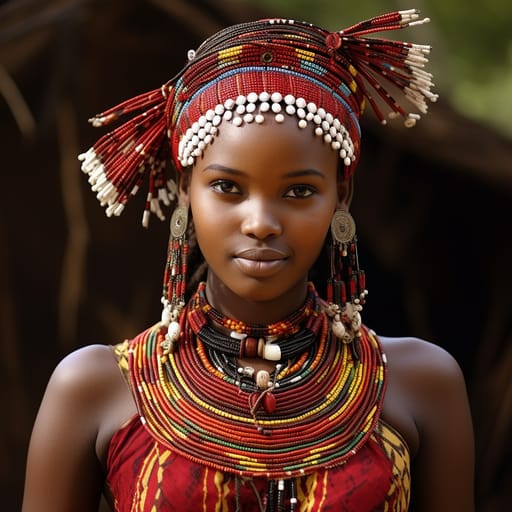
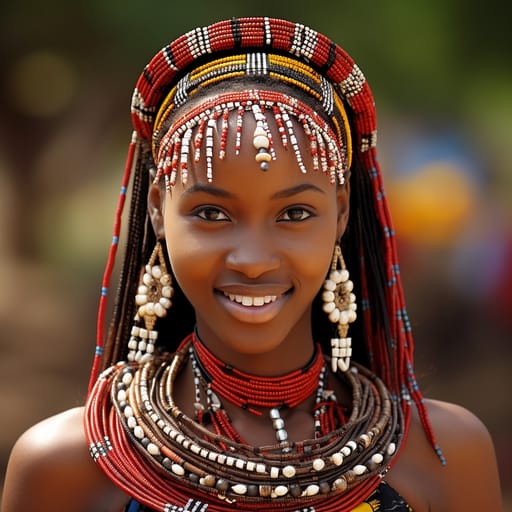
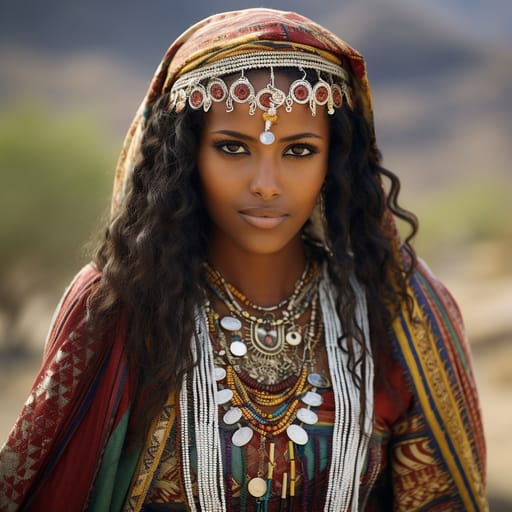
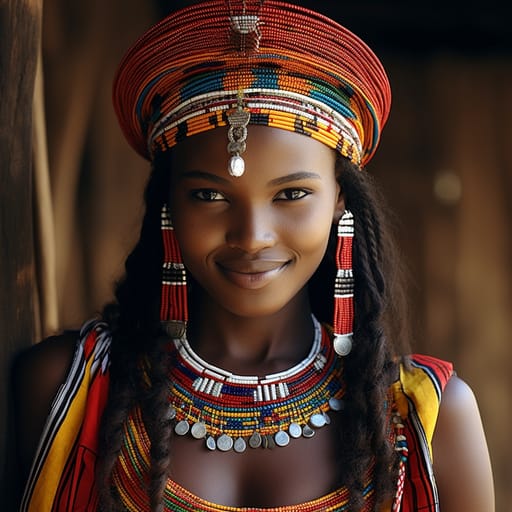
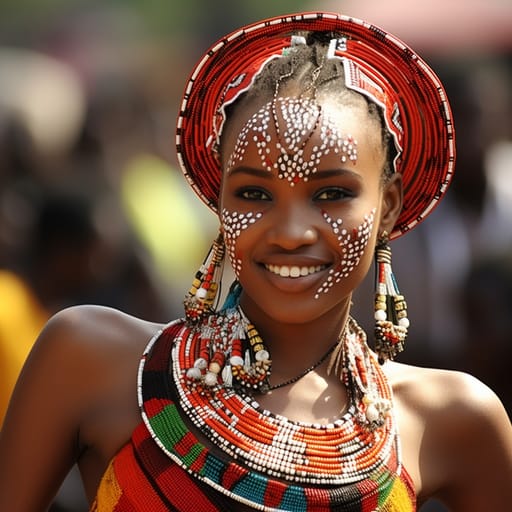
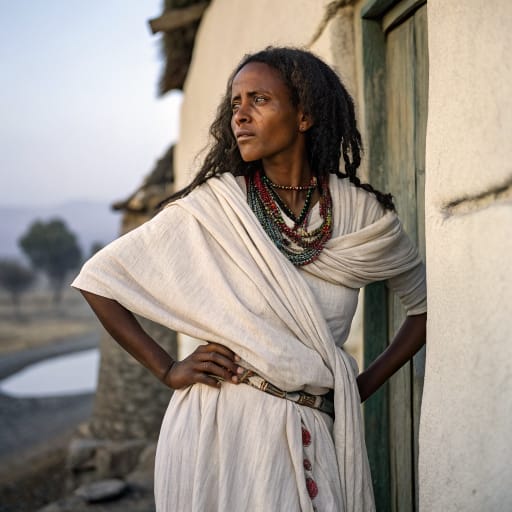
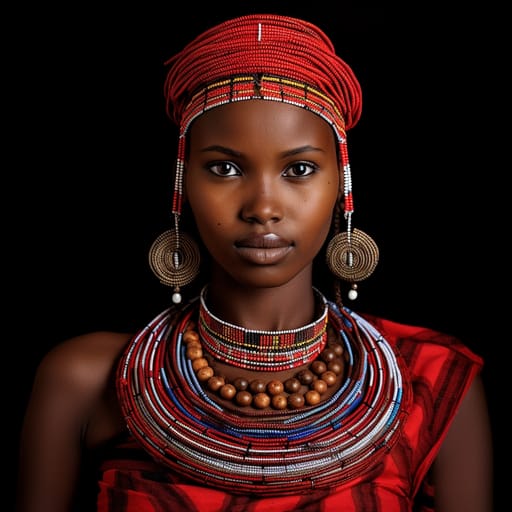
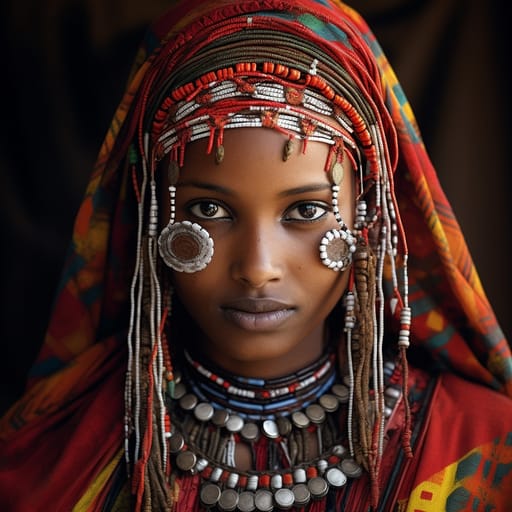
Typical Lambya Phenotypes
Reference for AI generation: hair, eyes, skin, facial structure, build
Explore phenotype categories
Structured taxonomy with peer-reviewed scales · 22 anatomical categories
Erotic Poses & Sex Positions
From the pose catalog: 219 named positions with reference skeletons
Frequently asked questions about Lambya people
Where is the Lambya homeland?
The Lambya homeland is Chitipa District in northern Malawi and Ileje District in Songwe Region, southwestern Tanzania, with a small number in northeastern Zambia. in Eastern Africa.
What language do Lambya people speak?
Lambya people primarily speak Lambya, also called Chilambya or Ichilambya (Bantu, Niger-Congo); close to Nyiha, Sukwa and Ndali. Chitumbuka and Chichewa are widely used in Malawi, Swahili in Tanzania..
What religion do Lambya people practice?
The predominant religion among Lambya people is Mostly Christian (Presbyterian CCAP, Moravian, Catholic, Pentecostal), with continuing respect for ancestors..






Make your own Lambya images
Five a day, free, no credits to buy. The studio starts from this group's phenotype data, so you can set body type, pose and style and keep the traits accurate.
Start with Lambya