No portrait yet
Sonjo Erotic
A cluster of villages in the hills of Ngorongoro District, Arusha Region, northern Tanzania, west of Lake Natron and near the Kenyan border, surrounded by Maasai country.
Temi, also called Sonjo or Kitemi (Bantu, Niger-Congo); nearest relatives are the central Kenya Bantu languages such as Kikuyu and Kamba. Swahili is the common second language.
Traditional religion centered on Khambageu, a culture hero expected to return, alongside Christianity, mainly Lutheran.
A Bantu people with no formal branches; organized by village (among them Samunge, Digodigo, Kisangiro and Sale), by clan, and by age sets borrowed from the Maasai.
About Sonjo People
The Sonjo, who call themselves Batemi, are a small Bantu farming people living as an island inside Maasai country. Their handful of villages sit in the dry hills of Ngorongoro District in northern Tanzania, west of Lake Natron and just short of the Kenyan border, and every one of them is placed where a spring or stream comes off the escarpment. That water is the whole point. The Sonjo are irrigation farmers in a landscape given over to cattle herders, channeling water through hand-dug furrows onto plots of sorghum, millet, beans and sweet potatoes. Rights to the water are hereditary and tightly held: a council of elders in each village decides who irrigates and when, and a man's standing has long depended on where he sits in that queue.
Their language, Temi, is a puzzle on the map. Its nearest relatives are generally taken to be Kikuyu, Kamba and the other Bantu languages of central Kenya, a few hundred kilometers to the north across land that has been Maasai for centuries. How the Batemi ended up where they are is not settled. Some archaeologists have linked them to Engaruka, the abandoned stone-built irrigation settlement farther south along the Rift, but that connection is argued rather than proven. What is clear is that long neighborhood with the Maasai shaped them. Villages were once ringed with thorn fences and guarded gates against raids, men defended them with bows and poisoned arrows, and the Sonjo borrowed the Maasai system of age sets, with a warrior grade of young men, along with a good deal of Maasai dress. For a long time they kept goats rather than cattle, and bridewealth was counted in goats. Disputes with Maasai neighbors over land and grazing have not entirely gone away.
Religion centers on Khambageu, a figure who in Sonjo tradition appeared among them as a man, worked wonders, moved from village to village, died, and left an empty grave. He is expected to return at the end of the world. The parallels with Christ have struck nearly every visitor, and Lutheran missionaries, present since the mid twentieth century, found both an opening and a rival in him. Many Batemi are now Christian, yet the village temples, the priestly lineages and the yearly festival honoring Khambageu continue. The outside world noticed the area briefly in 2011, when a retired Lutheran pastor in the Sonjo village of Samunge began handing out a herbal drink said to cure chronic disease, and lines of vehicles stretched for kilometers through the bush.
Related ethnic groups
Groups that share Sonjo's homeland, region, language, or religious tradition. These are likely candidates for comparative phenotype reference.
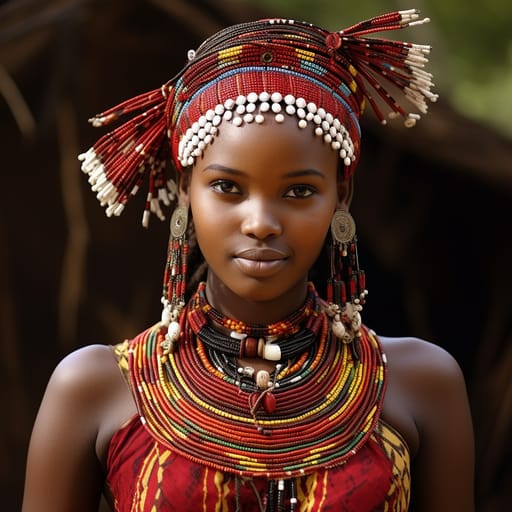
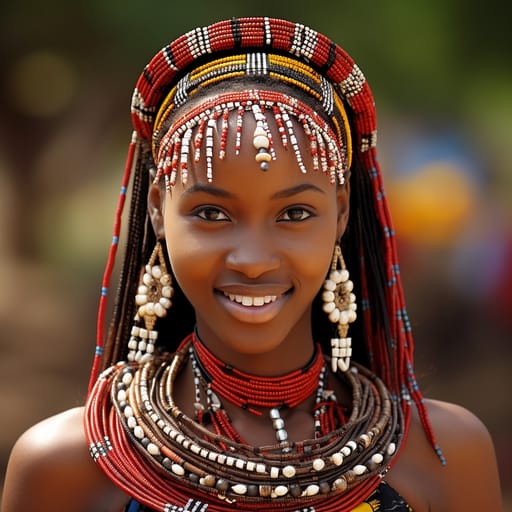
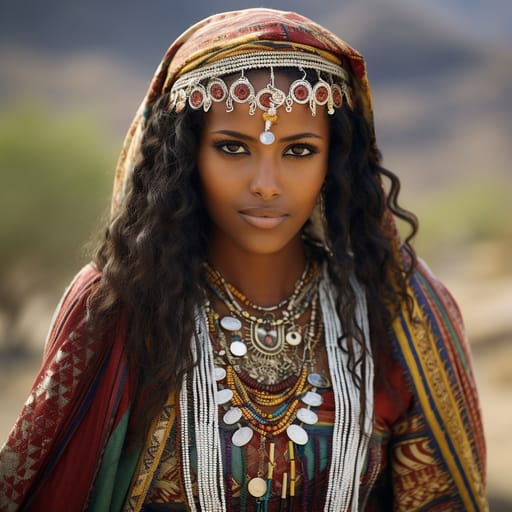
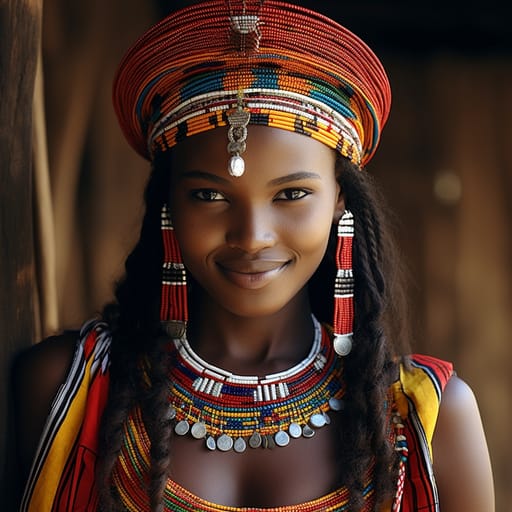
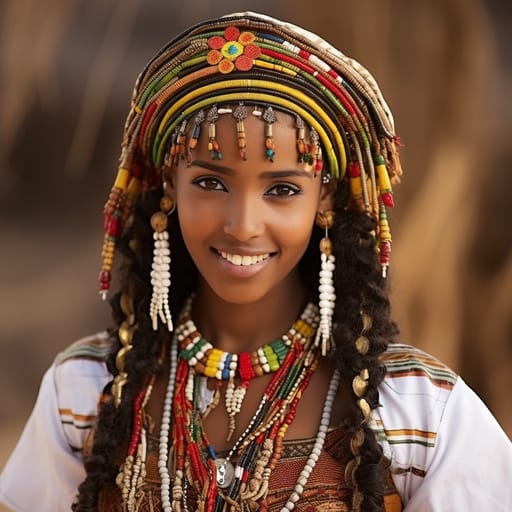
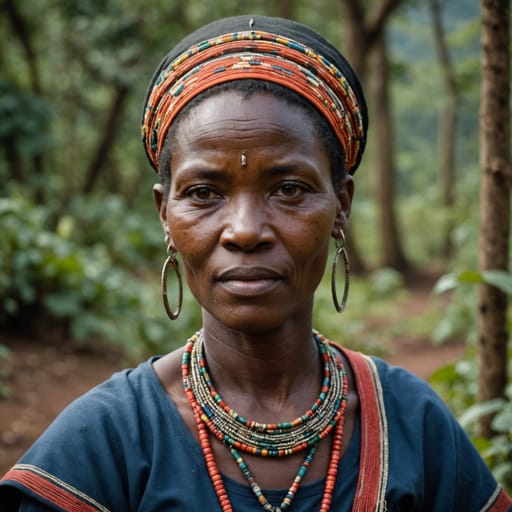
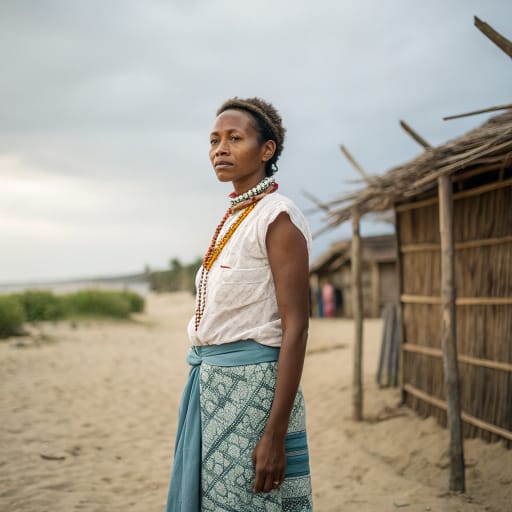
Typical Sonjo Phenotypes
Reference for AI generation: hair, eyes, skin, facial structure, build
Explore phenotype categories
Structured taxonomy with peer-reviewed scales · 22 anatomical categories
Erotic Poses & Sex Positions
From the pose catalog: 219 named positions with reference skeletons
Frequently asked questions about Sonjo people
Where is the Sonjo homeland?
The Sonjo homeland is A cluster of villages in the hills of Ngorongoro District, Arusha Region, northern Tanzania, west of Lake Natron and near the Kenyan border, surrounded by Maasai country. in Eastern Africa.
What language do Sonjo people speak?
Sonjo people primarily speak Temi, also called Sonjo or Kitemi (Bantu, Niger-Congo); nearest relatives are the central Kenya Bantu languages such as Kikuyu and Kamba. Swahili is the common second language..
What religion do Sonjo people practice?
The predominant religion among Sonjo people is Traditional religion centered on Khambageu, a culture hero expected to return, alongside Christianity, mainly Lutheran..






Make your own Sonjo images
Five a day, free, no credits to buy. The studio starts from this group's phenotype data, so you can set body type, pose and style and keep the traits accurate.
Start with Sonjo