No portrait yet
Segeju Erotic
Coastal Tanga Region in northeastern Tanzania, between Tanga and the Kenya border, and southern Kwale County on the Kenyan coast.
Daiso or Dhaiso (Bantu, Thagicu branch); many now speak Swahili or Digo (Bantu, Northeast Coast branch) as their main language.
Islam, predominantly Sunni.
Bantu people with Tanzanian and Kenyan communities; their language is related to Kikuyu, Kamba, Embu and Meru; they share the Shungwaya origin tradition with the Mijikenda.
About Segeju People
The Segeju are a small coastal people whose language points somewhere else. They live on the stretch of Indian Ocean shore where Tanzania meets Kenya, in the villages of Tanga Region north of Tanga town and across the border in southern Kwale County. Their neighbors are Digo, Bondei and Swahili. But their own language, Daiso (also written Dhaiso), is not related to the coastal Bantu languages around it. Its closest relatives are Kikuyu, Kamba, Embu and Meru, spoken in central and eastern Kenya hundreds of kilometers to the north. That link in the language is the clearest sign of a long move south, and the Segeju's own traditions also say they came from the north.
Like the Mijikenda peoples, the Segeju trace their origins to Shungwaya, a homeland north of the Tana River that historians still cannot place exactly. Several coastal groups say they scattered from it. Portuguese writers called the Segeju the Mossegejos, a people of warriors active around Malindi in the late 1500s. Their best documented moment came in 1589. That year Segeju fighters joined the Portuguese and the town of Malindi to destroy the Zimba, a raiding army that had already sacked Kilwa and Mombasa on its way up the coast. Over the centuries that followed, the Segeju moved south and settled the coastal plain where they live today.
Life on the Swahili coast changed them. The Segeju are Muslim, and Islam sets the rhythm of ordinary life: Friday prayers, the Ramadan fast, Quranic lessons for children, and Islamic rites for weddings and funerals. Swahili is the language of the mosque, the market and the government office, and in many Segeju homes it has replaced Daiso. On the Kenyan side, Digo and Swahili are the everyday languages. Daiso survives in a smaller community on the Tanzanian side, a pocket of a far northern language family on a coast where nobody else speaks anything like it.
Daily work follows the coast. Families fish the reefs and mangrove channels, farm cassava, maize and coconuts, and trade in Tanga and the border towns. Identity here comes in layers. A villager can be Segeju by descent, Swahili by culture and faith, and fluent in Digo through marriage and neighbors, and see no conflict in any of it. That flexibility is how a people who came south speaking a language from inland Kenya became fully at home on the shore.
Related ethnic groups
Groups that share Segeju's homeland, region, language, or religious tradition. These are likely candidates for comparative phenotype reference.
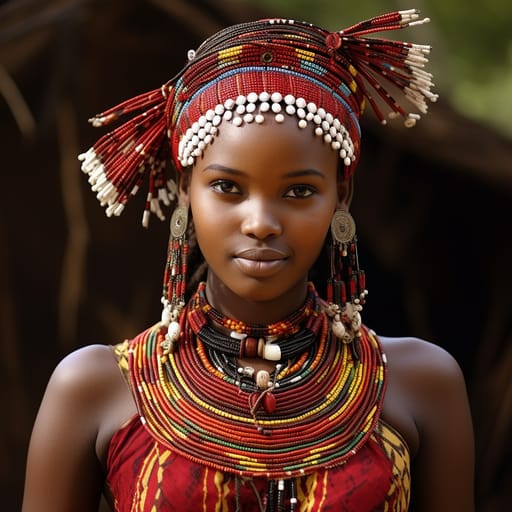
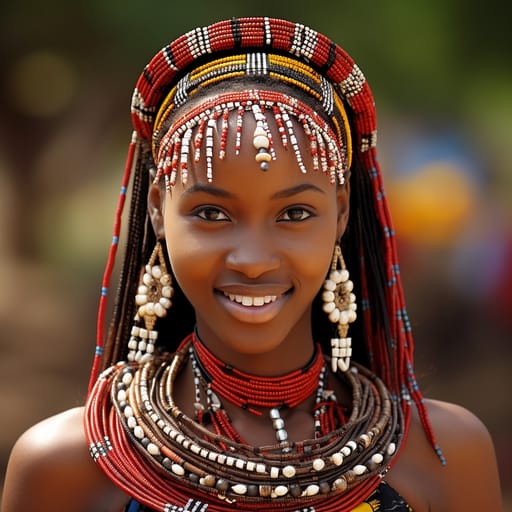
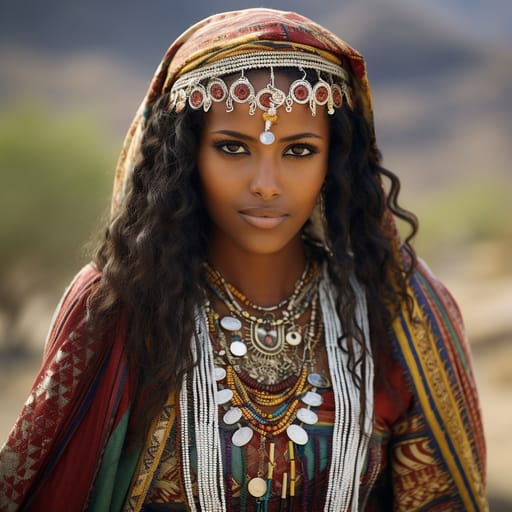
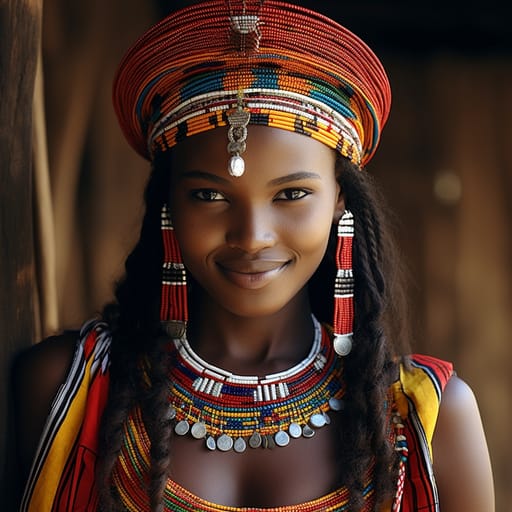
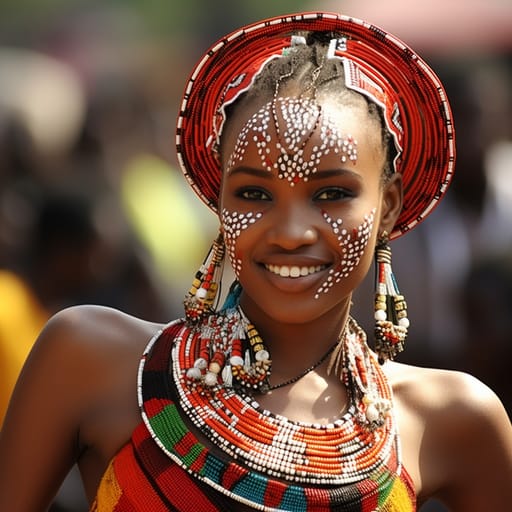
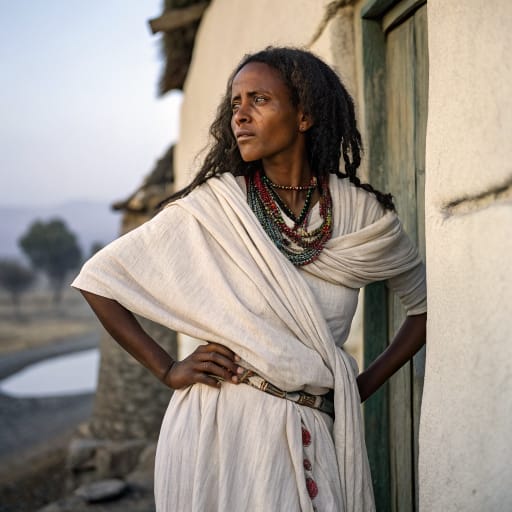
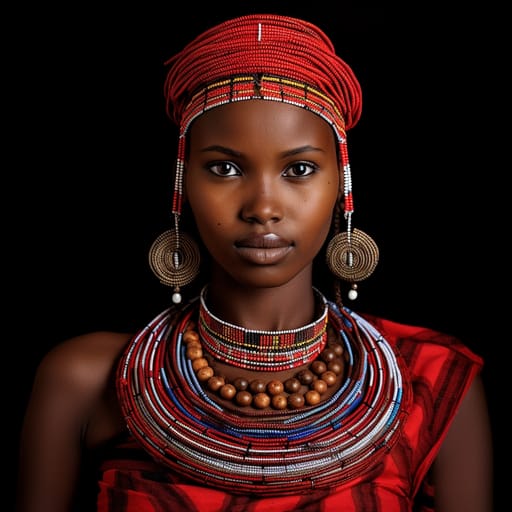
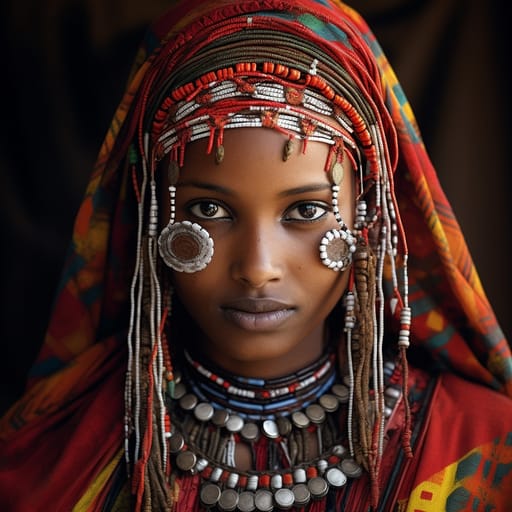
Typical Segeju Phenotypes
Reference for AI generation: hair, eyes, skin, facial structure, build
Explore phenotype categories
Structured taxonomy with peer-reviewed scales · 22 anatomical categories
Erotic Poses & Sex Positions
From the pose catalog: 219 named positions with reference skeletons
Frequently asked questions about Segeju people
Where is the Segeju homeland?
The Segeju homeland is Coastal Tanga Region in northeastern Tanzania, between Tanga and the Kenya border, and southern Kwale County on the Kenyan coast. in Eastern Africa.
What language do Segeju people speak?
Segeju people primarily speak Daiso or Dhaiso (Bantu, Thagicu branch); many now speak Swahili or Digo (Bantu, Northeast Coast branch) as their main language..
What religion do Segeju people practice?
The predominant religion among Segeju people is Islam, predominantly Sunni..






Make your own Segeju images
Five a day, free, no credits to buy. The studio starts from this group's phenotype data, so you can set body type, pose and style and keep the traits accurate.
Start with Segeju