Help us get this right
Does this portrait look right for Sizaki?
Nobody has judged this one yet. You would be the first.
Sizaki Erotic
Bunda District, Mara Region, northern Tanzania, near the southeastern shore of Lake Victoria
Sizaki (Bantu, Great Lakes group); Swahili widely spoken as the national language
Predominantly Christian, with traditional ancestral beliefs persisting for some
Great Lakes Bantu; linguistically part of the Kuria and Logooli (Guthrie E40) cluster alongside Ikizu, Zanaki and Ngoreme
About Sizaki People
The Sizaki are a small people of northern Tanzania. What sets them apart is their own language, and a name they have kept in one of the most crowded corners of the country for languages. Their homeland is Bunda District in Mara Region, close to the southeastern shore of Lake Victoria, in country of small farms, grazing land and lakeshore. Mara Region alone is home to more than a dozen distinct peoples, among them Ikizu, Zanaki, Jita and Kuria. The Sukuma, Tanzania's largest group, live just to the south. In market towns the Sizaki deal with all of them.
Sizaki belongs to the Great Lakes branch of Bantu, in the cluster linguists group around Kuria and Logooli. Its close relatives are spoken nearby, Ikizu, Zanaki and Ngoreme among them. A Sizaki speaker hears familiar roots in the surrounding villages, though the differences in vocabulary are still clear. The Zanaki link has a small place in national history: Julius Nyerere, Tanzania's founding president, was Zanaki and grew up in Butiama, not far away. Like nearly everyone in Tanzania, Sizaki people also speak Swahili, the language of school, government, church and the bus stand. For a community this size that cuts both ways. Swahili ties them to the whole country, but Swahili and the bigger regional languages put steady pressure on the home language. Many small languages around the lake face the same pressure.
Christianity is the main faith, as it is across rural Mara Region, where Catholic, Adventist and other Protestant congregations are a fixed part of village life. Older ideas about ancestors and family duty have not simply vanished under church attendance. Daily work is mostly farming and keeping livestock, and fishing matters for households close to the water.
The Sizaki share the larger history of their region. German and then British colonial rule pulled the lakeshore peoples into a cash economy and onto a colonial map. After independence in 1961, Nyerere's government put a national identity ahead of ethnic ones. In the 1970s it moved rural families into planned Ujamaa villages. Today the Sizaki are Tanzanian first in public life and Sizaki at home, through clan, kinship and language. Outside writing about them is thin, and most of it comes from language surveys rather than histories. The fuller story is still held by the community itself.
Related ethnic groups
Groups that share Sizaki's homeland, region, language, or religious tradition. These are likely candidates for comparative phenotype reference.
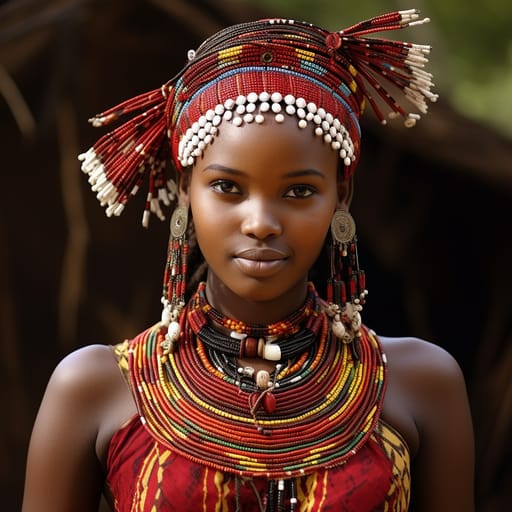
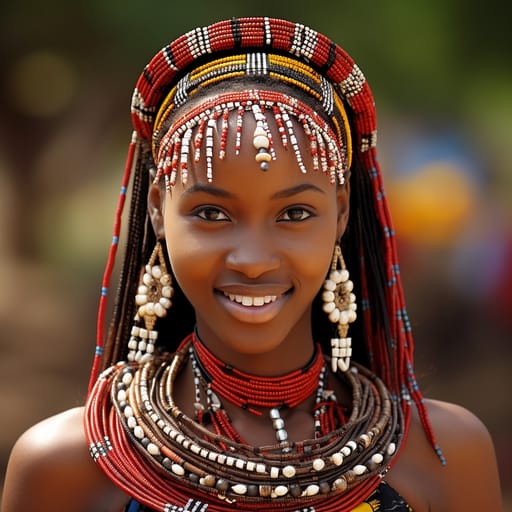
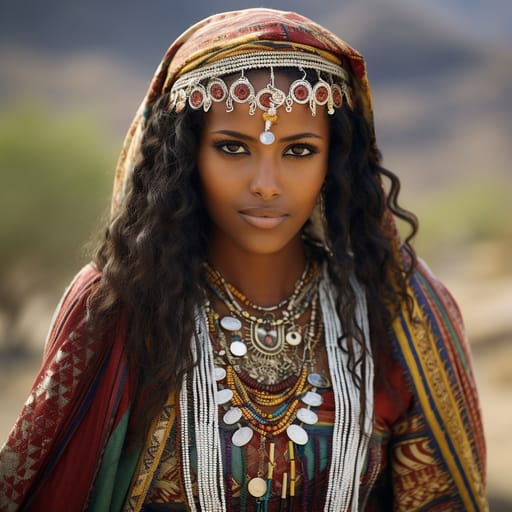
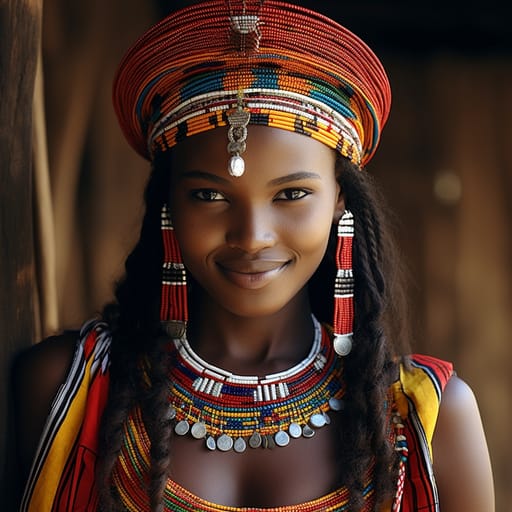
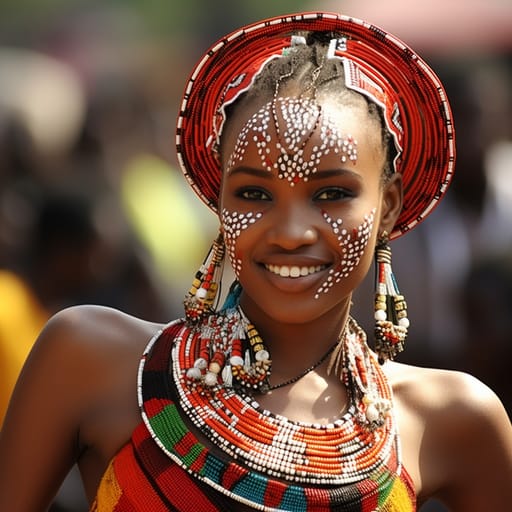
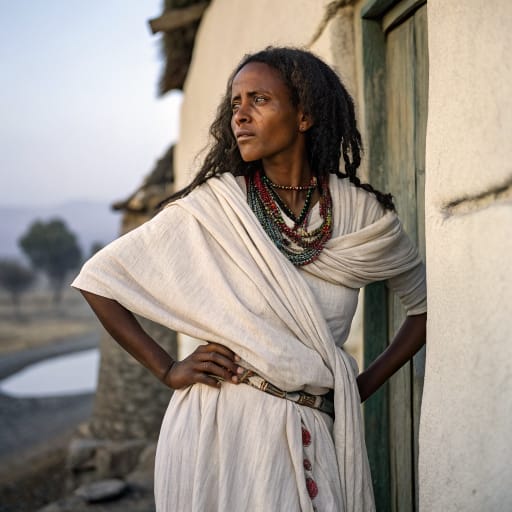
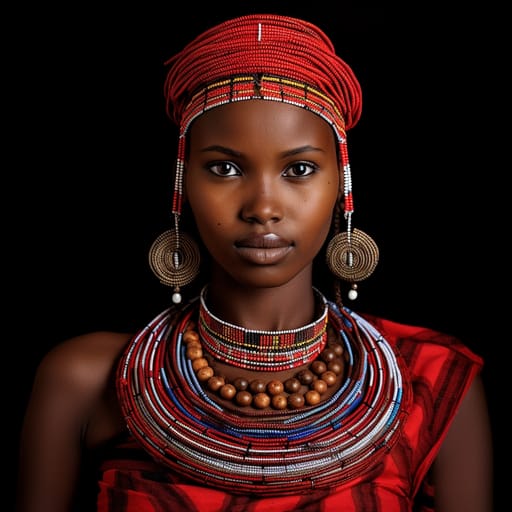
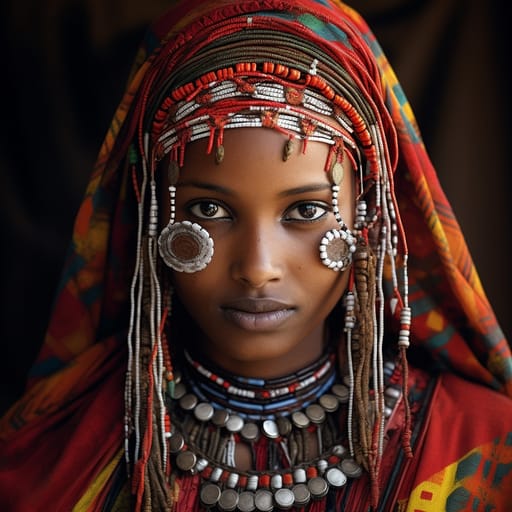
Typical Sizaki Phenotypes
Reference for AI generation: hair, eyes, skin, facial structure, build
Explore phenotype categories
Structured taxonomy with peer-reviewed scales · 22 anatomical categories
Erotic Poses & Sex Positions
From the pose catalog: 219 named positions with reference skeletons
Frequently asked questions about Sizaki people
Where is the Sizaki homeland?
The Sizaki homeland is Bunda District, Mara Region, northern Tanzania, near the southeastern shore of Lake Victoria in Eastern Africa.
What language do Sizaki people speak?
Sizaki people primarily speak Sizaki (Bantu, Great Lakes group); Swahili widely spoken as the national language.
What religion do Sizaki people practice?
The predominant religion among Sizaki people is Predominantly Christian, with traditional ancestral beliefs persisting for some.






Make your own Sizaki images
Five a day, free, no credits to buy. The studio starts from this group's phenotype data, so you can set body type, pose and style and keep the traits accurate.
Start with Sizaki