No portrait yet
Ndendeule Erotic
Ruvuma Region, southern Tanzania, mainly the Songea and Namtumbo districts
Ndendeule (Bantu, Niger-Congo); Swahili widely used
Islam and Christianity
Bantu people of southern Tanzania; their language is grouped with Ngoni, Matengo, Mpoto and Manda
About Ndendeule People
The Ndendeule are known as much for what they came through as for where they live. They are a farming people of Tanzania's far south, living in the rolling miombo woodland around Songea in Ruvuma Region, and for a long part of the nineteenth century they lived under someone else's rule. Around the middle of that century, Ngoni war bands pushed into the area. They were offshoots of the Nguni migrations out of southern Africa, and they overran the farming communities they found and pulled many of them into a new military state. Captives were drafted into regiments and villages paid tribute. Over generations the line between conqueror and conquered blurred. The Ndendeule are still a named people, with their own language and a firm sense of who belongs, and that is the heart of their story.
Their language belongs to a small group of Bantu languages that also includes Matengo, Mpoto and the Ngoni spoken around Songea. That form of Ngoni has drifted away from its southern African roots and toward the speech of the peoples its speakers conquered. Swahili is the language of school, government and trade, and most Ndendeule switch between the two without a second thought. Religious life is divided between Islam and Christianity. The region lay between the old caravan routes to the Indian Ocean coast and the Catholic missions that took hold around Songea from the end of the nineteenth century, and both left their mark.
The Maji Maji war of 1905 to 1907 was the other great break. Songea was one of the uprising's strongholds. The Germans answered by publicly hanging its leaders and then deliberately destroying crops and food stores, which brought famine across the region. Ngoni power never recovered, and the Ndendeule came through the colonial decades with their identity intact.
People who know the name at all usually know it from Philip Gulliver, the British anthropologist who lived among Ndendeule villagers in the early 1950s and wrote about how they handled quarrels. He found no lineage councils handing down verdicts. Instead, a dispute over a debt or a broken agreement drew in each side's relatives and neighbors. The outcome turned on who showed up, who owed whom, and how hard people were willing to push. His account shows a society held together by personal ties rather than formal hierarchy. Most Ndendeule still farm, growing maize and cassava to eat, and tobacco has long been a cash crop in the district.
Related ethnic groups
Groups that share Ndendeule's homeland, region, language, or religious tradition. These are likely candidates for comparative phenotype reference.
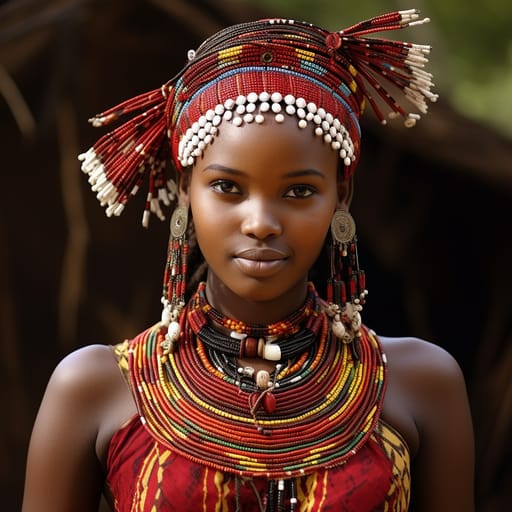
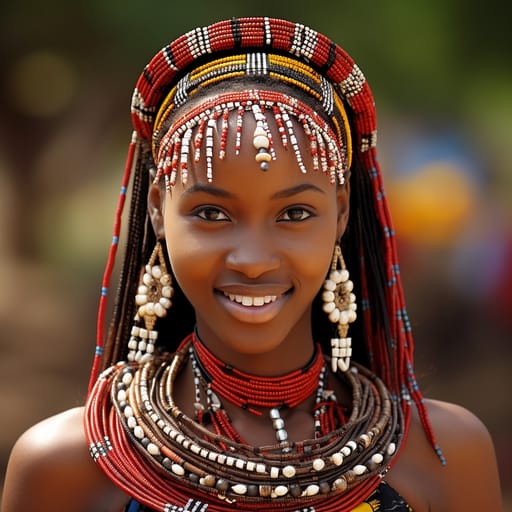
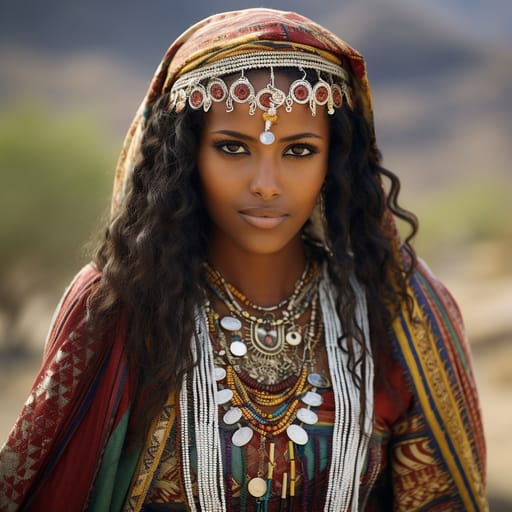
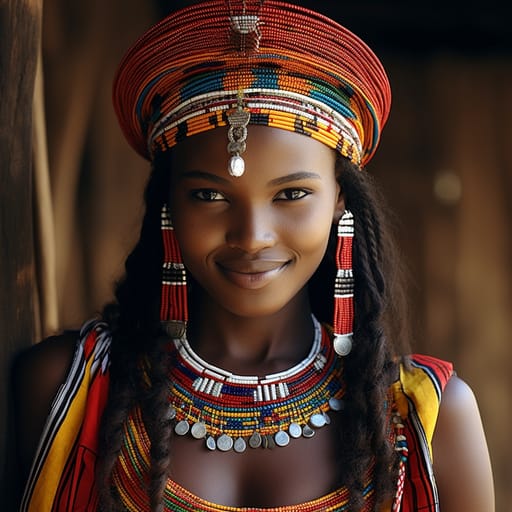
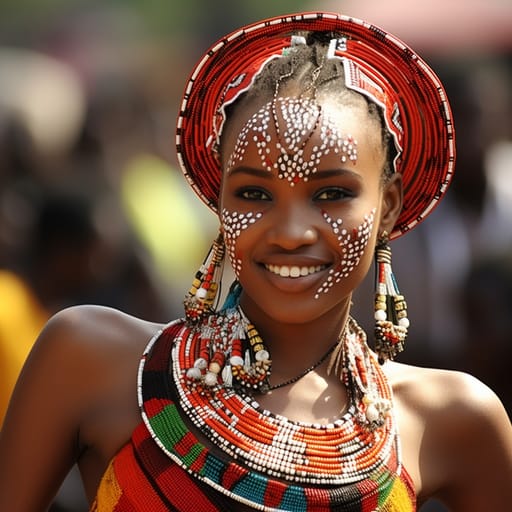
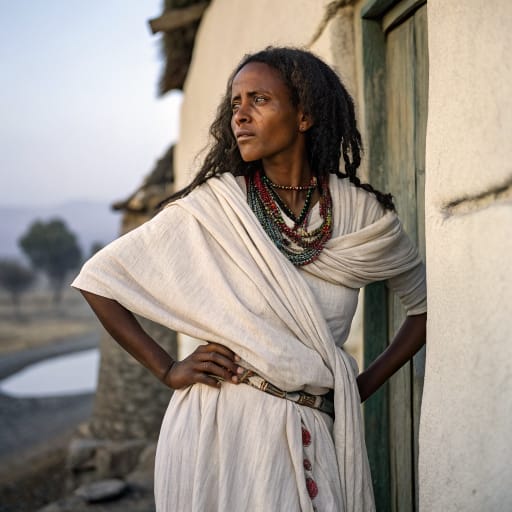
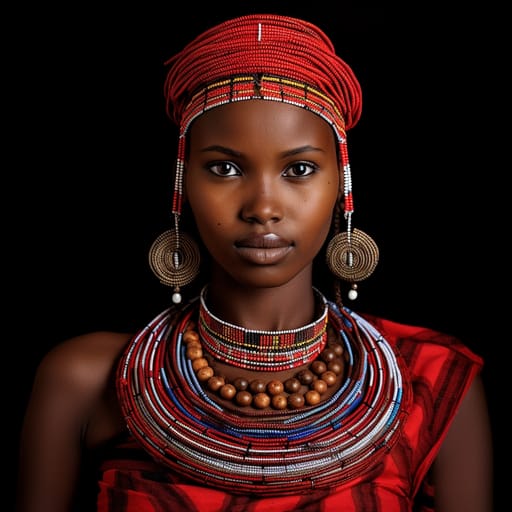
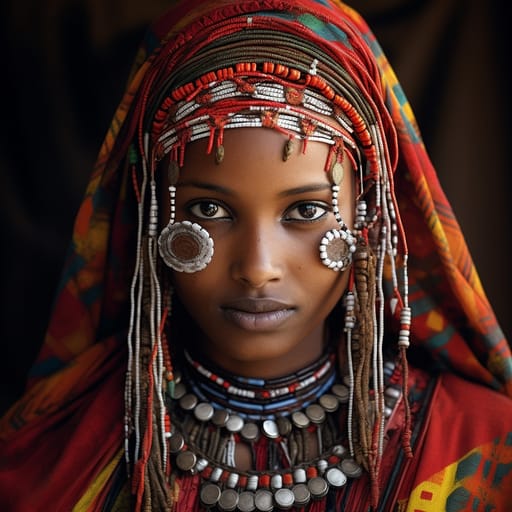
Typical Ndendeule Phenotypes
Reference for AI generation: hair, eyes, skin, facial structure, build
Explore phenotype categories
Structured taxonomy with peer-reviewed scales · 22 anatomical categories
Erotic Poses & Sex Positions
From the pose catalog: 219 named positions with reference skeletons
Frequently asked questions about Ndendeule people
Where is the Ndendeule homeland?
The Ndendeule homeland is Ruvuma Region, southern Tanzania, mainly the Songea and Namtumbo districts in Eastern Africa.
What language do Ndendeule people speak?
Ndendeule people primarily speak Ndendeule (Bantu, Niger-Congo); Swahili widely used.
What religion do Ndendeule people practice?
The predominant religion among Ndendeule people is Islam and Christianity.






Make your own Ndendeule images
Five a day, free, no credits to buy. The studio starts from this group's phenotype data, so you can set body type, pose and style and keep the traits accurate.
Start with Ndendeule