No portrait yet
Masikoro Erotic
Southwestern Madagascar: the inland country around Toliara in the Atsimo-Andrefana region, along the Fiherenana and Onilahy river valleys
Masikoro Malagasy, a southwestern dialect of Malagasy (Austronesian, Malayo-Polynesian, Barito)
Ancestor veneration and traditional Malagasy practice, including tromba spirit mediumship, alongside Catholic and Protestant Christianity
Usually classed as a southern branch of the Sakalava; closely tied to the Vezo coastal fishers and the Mikea forest foragers of the same region
About Masikoro People
In southwestern Madagascar, the name Masikoro describes a way of living as much as a bloodline. On the coast around Toliara, the Vezo fish and sail. Inland, on the dry plains and along the Fiherenana and Onilahy rivers, the Masikoro farm and keep zebu. The two peoples have traded, intermarried and shared markets for generations. People in the region hold that a family that moves inland and takes up fields and herds can, over time, come to be counted as Masikoro. The Mikea, who forage in the dry forest north of Toliara, speak a closely related dialect and move between forest and village in much the same way. The land is hard: spiny scrub, baobabs and rivers that swell and shrink with the rains. Households grow maize, cassava and, where there is enough water, rice. Cattle remain the true measure of wealth. They are sacrificed at funerals and ceremonies and counted as carefully as money. Masikoro speech is a southwestern form of Malagasy, the Austronesian language whose nearest relatives are spoken across the Indian Ocean in southern Borneo. Coastal neighbors understand it easily, though its sounds and vocabulary set it apart from the standard Malagasy of the highlands.
The Masikoro are usually grouped with the Sakalava. Their country was the seat of Fiherenana, a kingdom ruled by the Andrevola, a line that came from the same Maroserana dynasty that founded the larger Sakalava states to the north. From the seventeenth century on, European ships anchored at St. Augustine's Bay, at the mouth of the Onilahy, to trade for cattle raised in this hinterland. French rule at the end of the nineteenth century made Toliara a colonial port and folded the old kingdoms into a single administration. Religious life still centers on the ancestors. Tombs, funerals and the proper treatment of the dead matter a great deal, and each lineage keeps its own fady, taboos on certain foods, places or acts. Spirit mediumship of the tromba kind is found here, as it is elsewhere in Sakalava country. Catholic and Protestant churches are well established, and many families honor both the church and the ancestors without seeing any conflict between them.
Related ethnic groups
Groups that share Masikoro's homeland, region, language, or religious tradition. These are likely candidates for comparative phenotype reference.
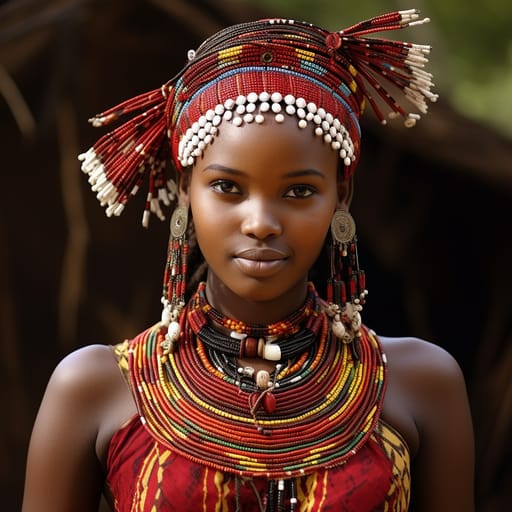
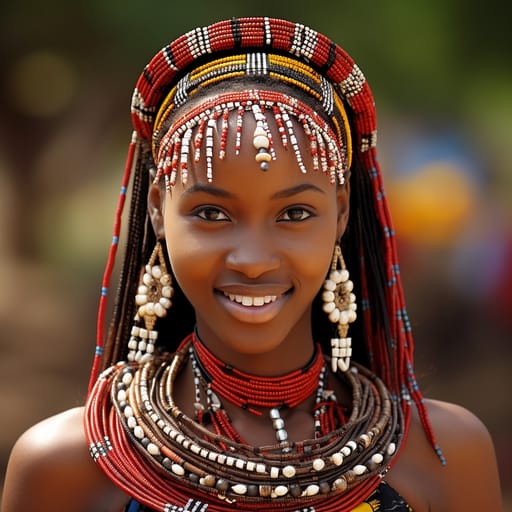
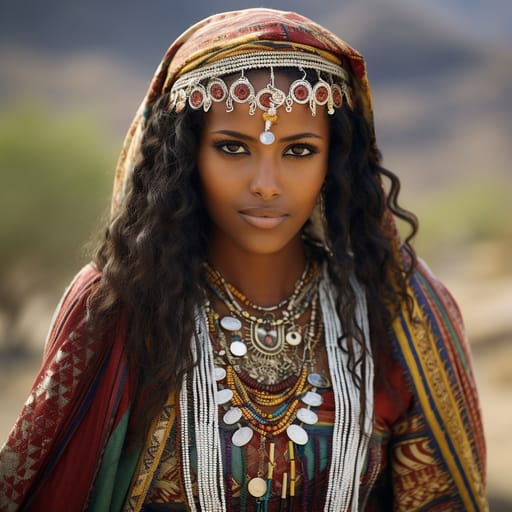
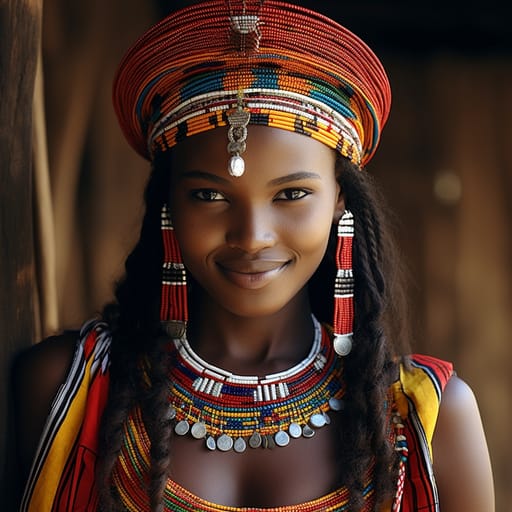
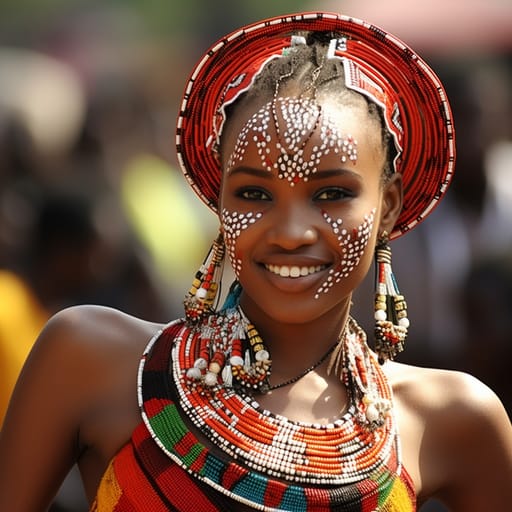
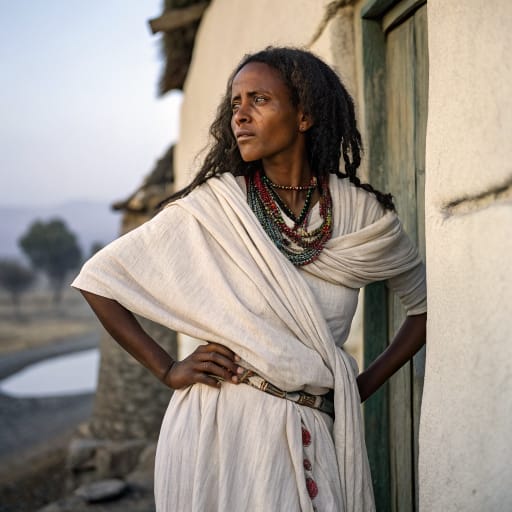
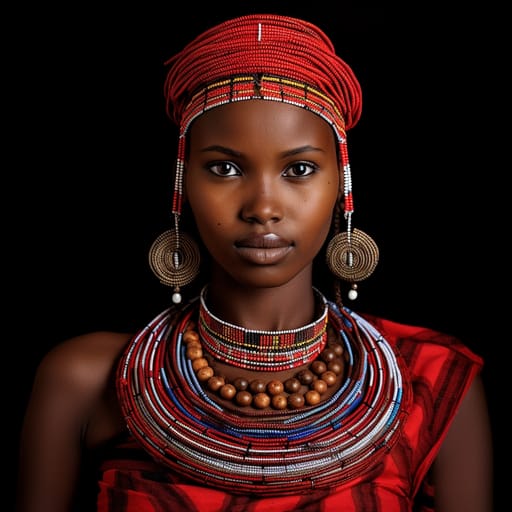
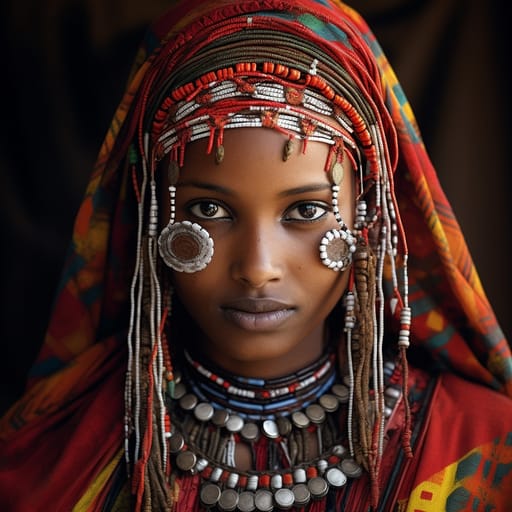
Typical Masikoro Phenotypes
Reference for AI generation: hair, eyes, skin, facial structure, build
Explore phenotype categories
Structured taxonomy with peer-reviewed scales · 22 anatomical categories
Erotic Poses & Sex Positions
From the pose catalog: 219 named positions with reference skeletons
Frequently asked questions about Masikoro people
Where is the Masikoro homeland?
The Masikoro homeland is Southwestern Madagascar: the inland country around Toliara in the Atsimo-Andrefana region, along the Fiherenana and Onilahy river valleys in Eastern Africa.
What language do Masikoro people speak?
Masikoro people primarily speak Masikoro Malagasy, a southwestern dialect of Malagasy (Austronesian, Malayo-Polynesian, Barito).
What religion do Masikoro people practice?
The predominant religion among Masikoro people is Ancestor veneration and traditional Malagasy practice, including tromba spirit mediumship, alongside Catholic and Protestant Christianity.






Make your own Masikoro images
Five a day, free, no credits to buy. The studio starts from this group's phenotype data, so you can set body type, pose and style and keep the traits accurate.
Start with Masikoro