No portrait yet
Zaramo Erotic
The coastal plain of eastern Tanzania, in and around Dar es Salaam and the Pwani Region.
Kizaramo (Niger-Congo, Bantu, Northeast Coastal), now largely displaced by Swahili.
Sunni Islam, practiced alongside ancestral shrine offerings and consultation of diviners.
Northeast Coastal Bantu, closely related to the Kwere, Kami, Doe, Kutu and Ndengereko.
About Zaramo People
The Zaramo are the people whose farmland became Dar es Salaam. When the Sultan of Zanzibar laid out a new harbor town at the fishing village of Mzizima in the 1860s, he was building on Zaramo ground, and the city that grew out of it has been swallowing Zaramo villages ever since. That fact organizes most of what can be said about them. They are a farming people absorbed into a metropolis, and absorbed into the Swahili coastal world so thoroughly that the line between Zaramo and generic coastal Muslim is now a matter of what a family says at home rather than anything visible on the street.
Their country is the low, hot plain between the Indian Ocean and the Uluguru foothills, in Tanzania's Pwani Region and the sprawl of the city itself: cassava, rice, coconut, mango and cashew, with palm wine tapped from the coconut groves. Kizaramo belongs to the Northeast Coastal branch of Bantu, close kin to Kwere, Kami, Doe, Kutu and Ndengereko, all of them near enough that the groups shade into one another at the edges. Swahili has largely displaced it. Most Zaramo now speak Swahili first and treat Kizaramo as the language older relatives use among themselves.
They are overwhelmingly Muslim, having taken Islam from the coast in the nineteenth century, and they are also matrilineal, which produces an arrangement worth noticing: by custom a man's heirs are his sister's children, while Islamic law points elsewhere, and families negotiate the gap case by case. Descent through the mother still frames clan membership and who has a claim on whom.
The best known Zaramo institution is female initiation. A girl at first menstruation enters a period of seclusion under an instructor, the kungwi, and emerges in a public ceremony that is among the largest events a family stages. Bound up with it is the mwana hiti, a small carved wooden figure abstracted almost to a torso and a head with a distinctive crested coiffure, given to the initiate and kept afterward as a fertility object. These carvings sit in museum collections worldwide and are among the most recognizable objects from the East African coast. Alongside the mosque, the mganga, the diviner and healer, is still consulted for illness and misfortune, and offerings at ancestral shrines have not disappeared. The Zaramo were among the coastal populations that rose against the German East Africa Company in 1888, and then spent the colonial century as the immediate neighbors of somebody else's capital.
Related ethnic groups
Groups that share Zaramo's homeland, region, language, or religious tradition. These are likely candidates for comparative phenotype reference.
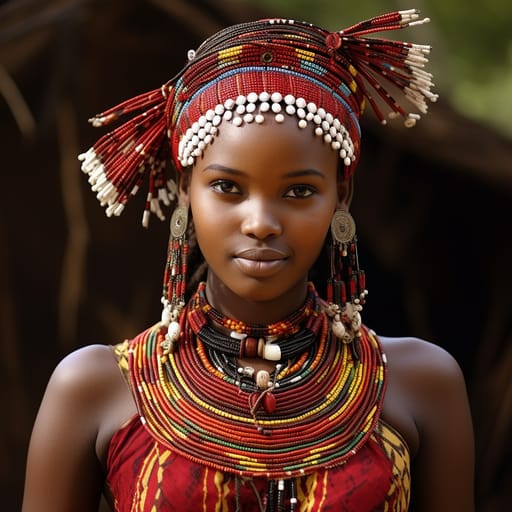
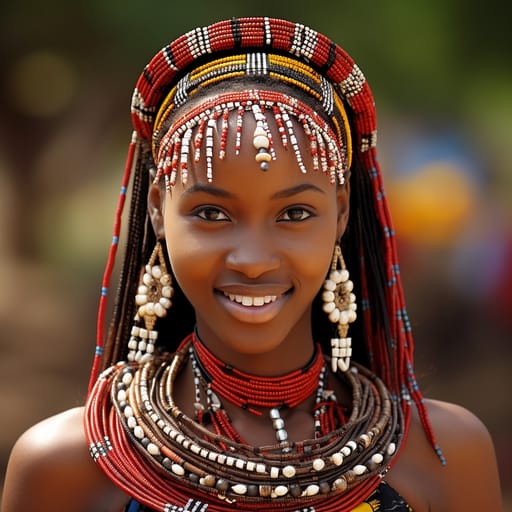
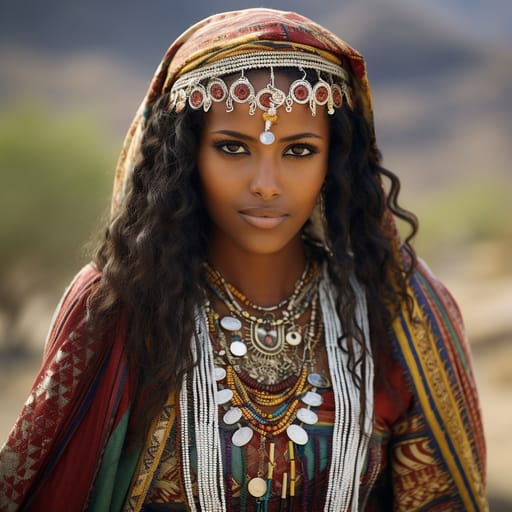
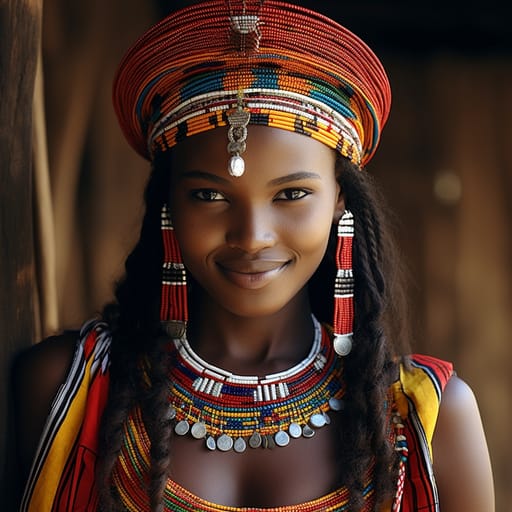
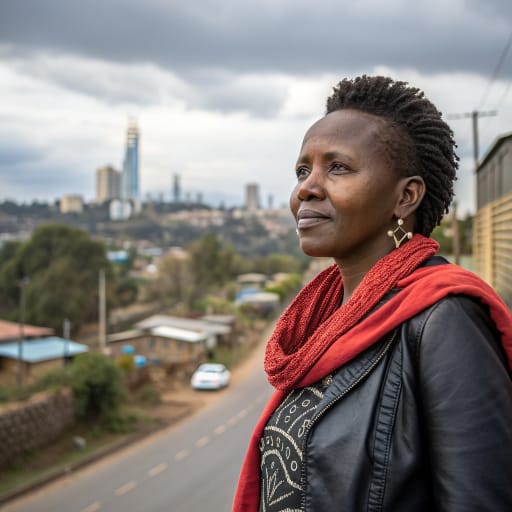
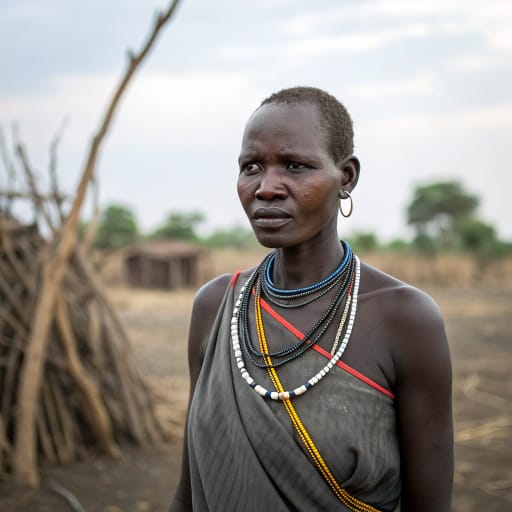
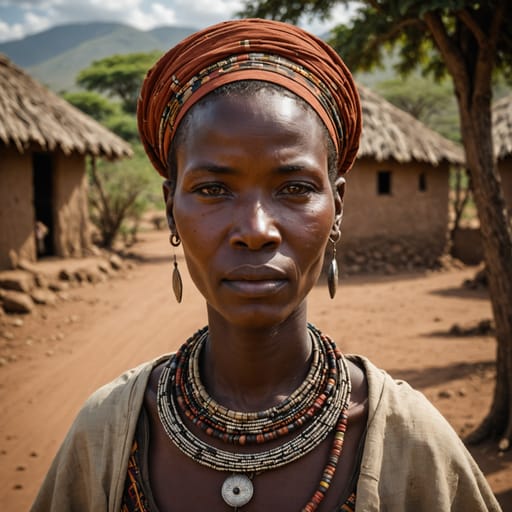
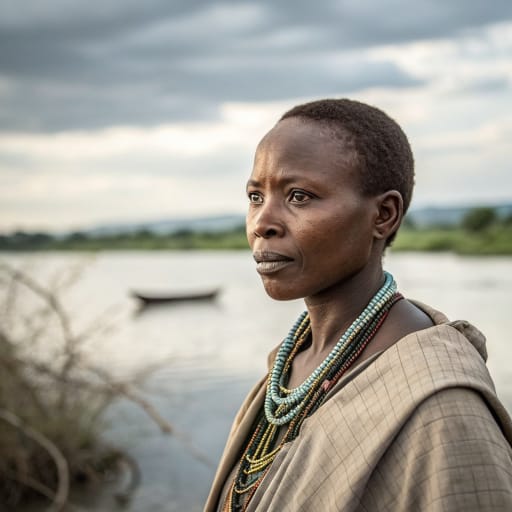
Typical Zaramo Phenotypes
Reference for AI generation: hair, eyes, skin, facial structure, build
Explore phenotype categories
Structured taxonomy with peer-reviewed scales · 22 anatomical categories
Erotic Poses & Sex Positions
From the pose catalog: 219 named positions with reference skeletons
Frequently asked questions about Zaramo people
Where is the Zaramo homeland?
The Zaramo homeland is The coastal plain of eastern Tanzania, in and around Dar es Salaam and the Pwani Region. in Eastern Africa.
What language do Zaramo people speak?
Zaramo people primarily speak Kizaramo (Niger-Congo, Bantu, Northeast Coastal), now largely displaced by Swahili..
What religion do Zaramo people practice?
The predominant religion among Zaramo people is Sunni Islam, practiced alongside ancestral shrine offerings and consultation of diviners..






Make your own Zaramo images
Five a day, free, no credits to buy. The studio starts from this group's phenotype data, so you can set body type, pose and style and keep the traits accurate.
Start with Zaramo