Help us get this right
Does this portrait look right for Bende?
Nobody has judged this one yet. You would be the first.
Bende Erotic
Mpanda area of Katavi Region (formerly part of Rukwa Region), western Tanzania, inland from Lake Tanganyika
Bende, or Kibende (Bantu, Niger-Congo), closely related to Tongwe; Swahili widely spoken
Christianity and Islam, with respect for ancestors still important in many families
Bantu peoples of western Tanzania; closely linked by language to the Tongwe
About Bende People
The Bende are a small Bantu-speaking people of western Tanzania. Their home is the Mpanda country of Katavi Region, inland from the eastern shore of Lake Tanganyika. What sets them apart is a particular stretch of land and a language of their own. Kibende is closely paired with Tongwe, which their neighbors speak toward the lake and the Mahale Mountains, and linguists group the two together within the Bantu family. Around the Bende live the Konongo, the Pimbwe and the Fipa. Further northeast are the Nyamwezi, whose trade and political reach shaped much of this region in the nineteenth century. The Bende should not be confused with Bende in Abia State, Nigeria, an Igbo town and district with an entirely separate history.
The land is miombo woodland, river valleys and seasonal floodplain, and much of it lies inside or around Katavi National Park. Village life runs on farming, with maize and cassava as everyday staples, while the rivers and woodland add fish, honey and game. Swahili is the language of school, market, church and government, and most Bende speak it easily. Kibende survives at home and among older relatives, under the same steady pressure from the national language that small Tanzanian languages face everywhere.
Religion follows a pattern familiar across western Tanzania. Catholic missionaries reached the Lake Tanganyika shore in the 1880s, and Islam came inland with the caravan trade. Both have followers among the Bende, and respect for ancestors still carries weight in many families.
The twentieth century reshaped the district more than once. Around 1950 a lead and copper mine opened near Mpanda, and a branch railway was built from the central line at Kaliua to serve it. The mine closed around 1960, but the railhead stayed and Mpanda kept growing. In the 1970s, the villagization campaign of the Nyerere years moved scattered homesteads into planned villages. In the same decade the district took in large settlements of Burundian refugees at Katumba and Mishamo. In 2012 Katavi became its own region with Mpanda as its capital, and two years later many of those long-settled Burundians were granted Tanzanian citizenship. The Bende now share their country with all of these newcomers while keeping a name and a language older than any of them.
Related ethnic groups
Groups that share Bende's homeland, region, language, or religious tradition. These are likely candidates for comparative phenotype reference.
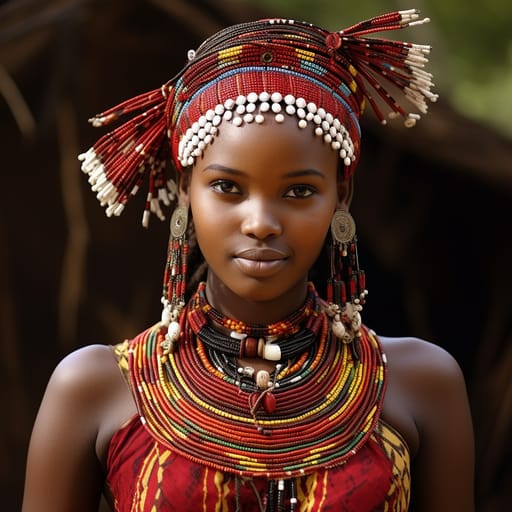
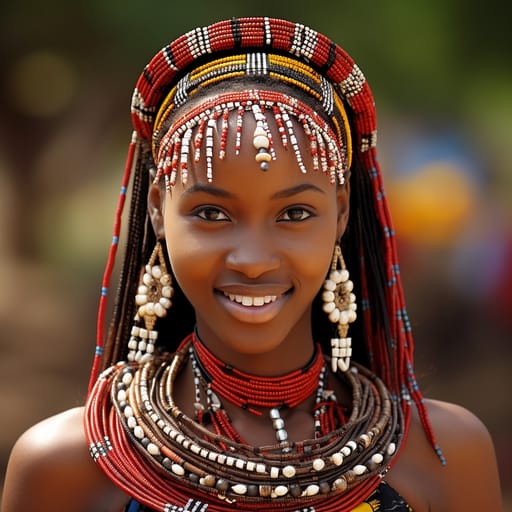
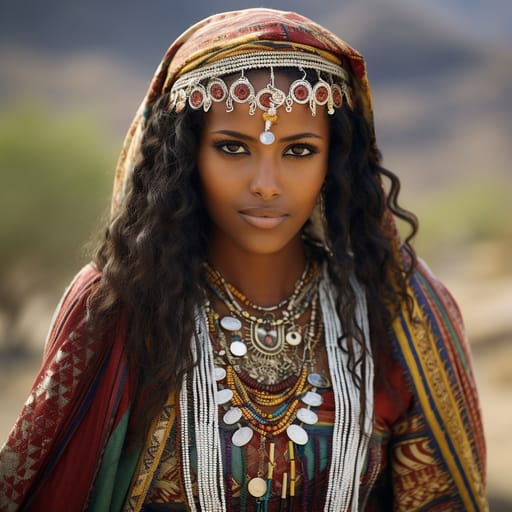
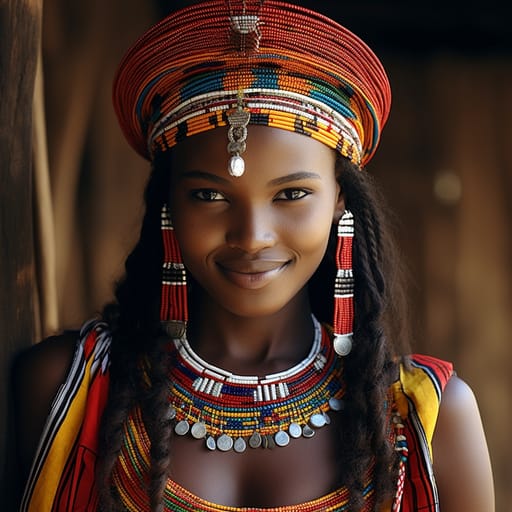
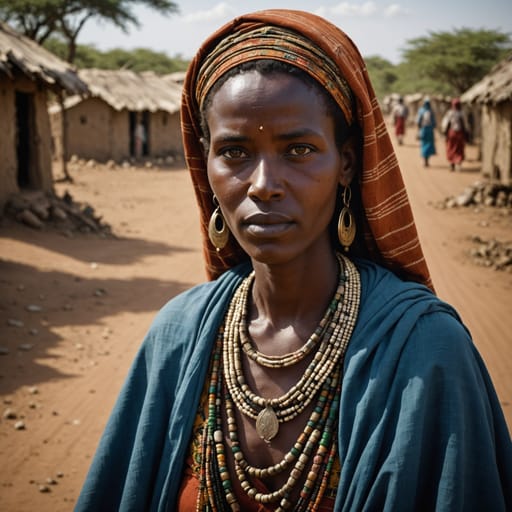
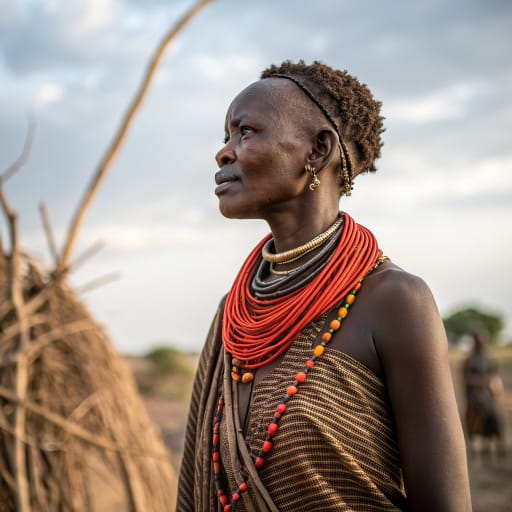
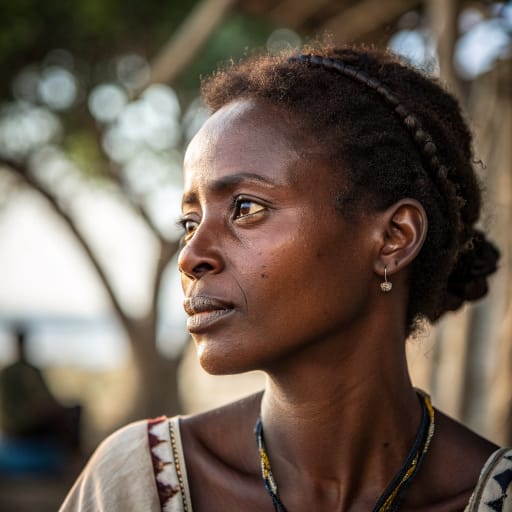
Typical Bende Phenotypes
Reference for AI generation: hair, eyes, skin, facial structure, build
Explore phenotype categories
Structured taxonomy with peer-reviewed scales · 22 anatomical categories
Erotic Poses & Sex Positions
From the pose catalog: 219 named positions with reference skeletons
Frequently asked questions about Bende people
Where is the Bende homeland?
The Bende homeland is Mpanda area of Katavi Region (formerly part of Rukwa Region), western Tanzania, inland from Lake Tanganyika in Eastern Africa.
What language do Bende people speak?
Bende people primarily speak Bende, or Kibende (Bantu, Niger-Congo), closely related to Tongwe; Swahili widely spoken.
What religion do Bende people practice?
The predominant religion among Bende people is Christianity and Islam, with respect for ancestors still important in many families.






Make your own Bende images
Five a day, free, no credits to buy. The studio starts from this group's phenotype data, so you can set body type, pose and style and keep the traits accurate.
Start with Bende