Help us get this right
Does this portrait look right for Maragoli?
Nobody has judged this one yet. You would be the first.
Maragoli Erotic
Vihiga County in the hills of western Kenya, north of Lake Victoria; migrant communities in Nairobi, Lugari, the Rift Valley and western Uganda (Kigumba area).
Lulogooli, also called Logooli or Maragoli (Bantu, Niger-Congo), within the Luhya cluster; Swahili and English widely spoken.
Overwhelmingly Christian: Quaker (Friends), Pentecostal, Salvation Army, Anglican and independent African churches; older belief in Nyasaye and the ancestors persists, especially around funerals.
One of the Luhya (Abaluyia) communities of western Kenya; four main clans, Avasaali, Avakizungu, Avakirima and Avam'mavi, each with many sub-clans.
About Maragoli People
The Maragoli, who call themselves Avalogooli, are the people of the crowded green hills of Vihiga in western Kenya, just north of the equator and not far above the Lake Victoria shore. They are usually counted as the second largest of the communities grouped under the Luhya name, but that umbrella is a twentieth-century political arrangement, and Maragoli identity is older and tighter than it. It runs through a single founding ancestor, Mulogooli, whose sons are remembered as the heads of the four great clans: Avasaali, Avakizungu, Avakirima and Avam'mavi. Oral tradition brings the family south from a place called Misri, across the lake and up to Mung'oma hill, which is still treated as the point of origin.
Their language, Lulogooli, is Bantu and sits at the southern edge of the Luhya cluster. Speakers of northern varieties such as Lubukusu do not follow it easily, and some linguists place it nearer to Gusii and Kuria than to the rest of Luhya. It carried unusual weight in the colonial period because American Quakers, who set up the Friends Africa Mission in the area in the first years of the 1900s, chose it for schooling and Bible translation. The result is still visible. Maragoli country is one of the densest concentrations of Quakers anywhere in the world, alongside Pentecostal, Salvation Army and Anglican congregations and independent African churches that broke from the missions, among them the white-robed African Israel Church Nineveh. Older belief in Nyasaye, the creator, and in the continuing attention of ancestors has not vanished so much as folded into church life, especially around funerals, which are long, public and expensive.
Land is the pressure point. Vihiga is among the most densely settled rural areas in Kenya, and family plots have been divided across generations until many are well under an acre, planted with maize, bananas, tea and eucalyptus among granite boulders. So the Maragoli leave. They are heavily represented in Nairobi and other towns, in settlement schemes in Lugari and the Rift Valley, and in Uganda, where a community established around Kigumba in the mid twentieth century has spent years pressing for formal recognition. Remittances and school fees are the working economy of the home villages, and education is treated as the main inheritance a parent can give.
Boys are still circumcised in age cohorts, though clinics and church-run versions have largely replaced the old seclusion camps. Every December 26 the community gathers at Mbale for the Maragoli Cultural Festival, part reunion, part political stage. A chicken slaughtered for a visitor remains the plain measure of respect.
Related ethnic groups
Groups that share Maragoli's homeland, region, language, or religious tradition. These are likely candidates for comparative phenotype reference.
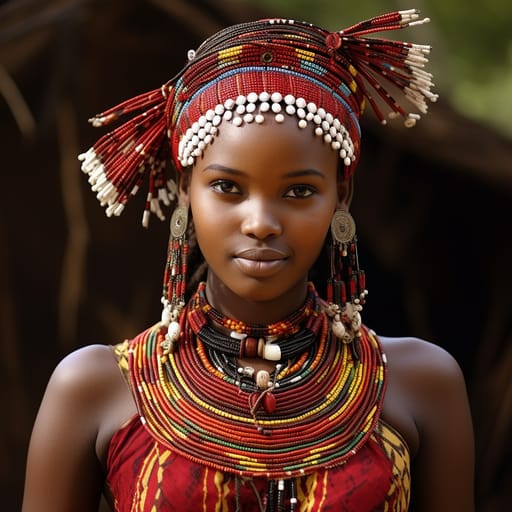
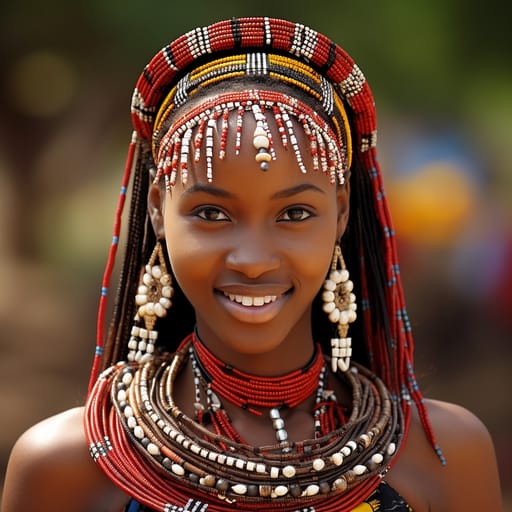
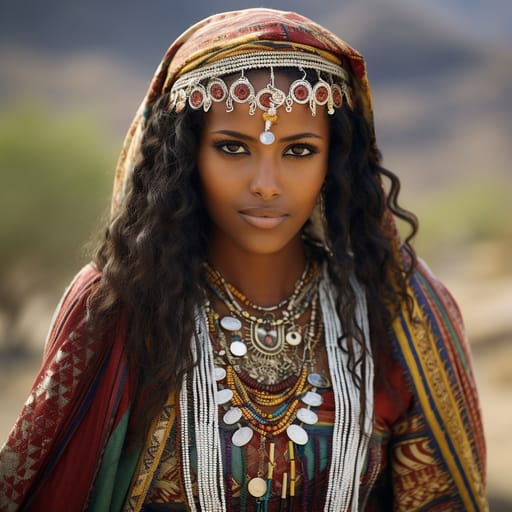
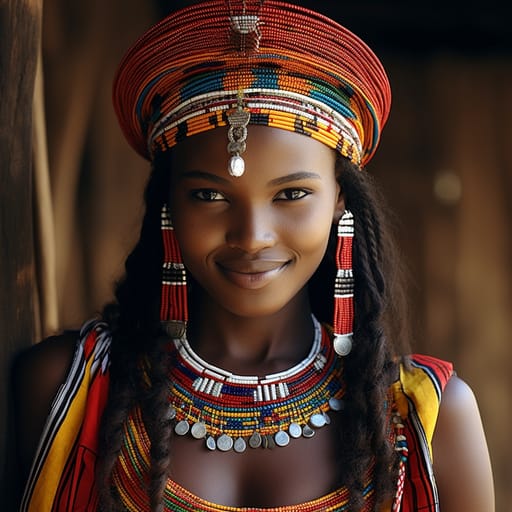
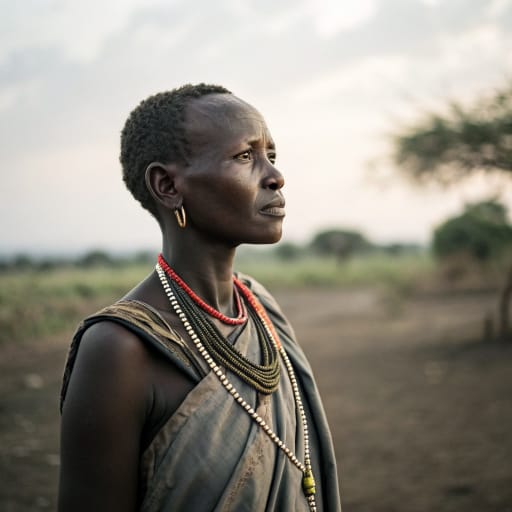
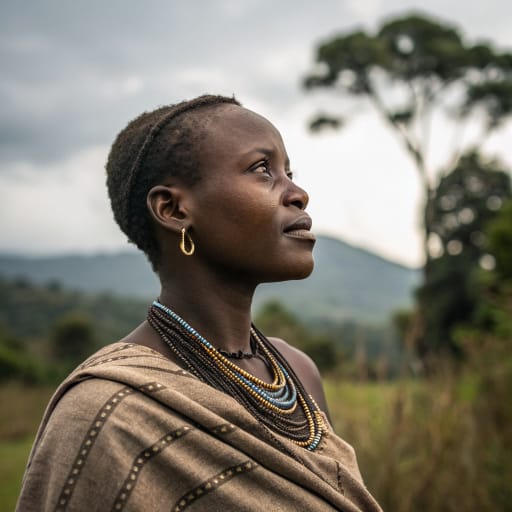
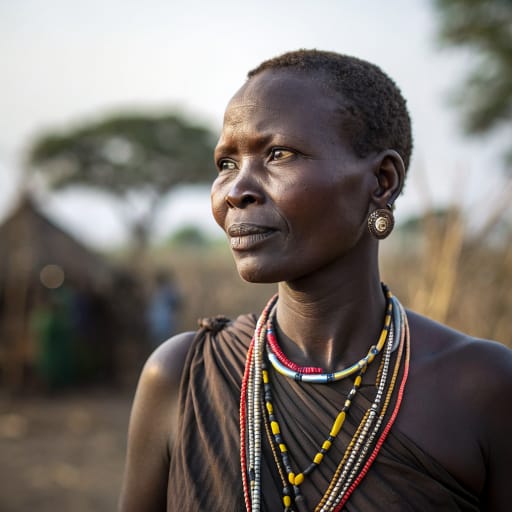
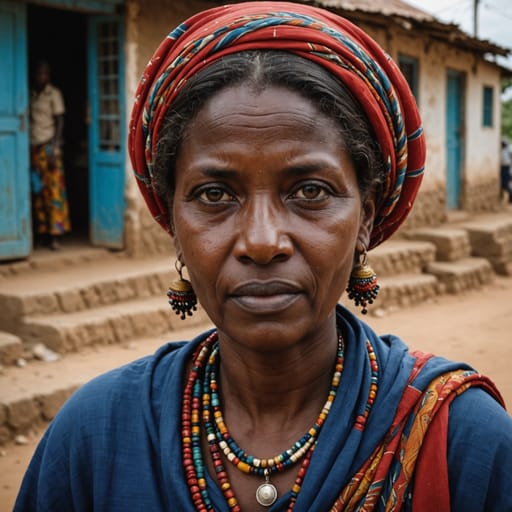
Typical Maragoli Phenotypes
Reference for AI generation: hair, eyes, skin, facial structure, build
Explore phenotype categories
Structured taxonomy with peer-reviewed scales · 22 anatomical categories
Erotic Poses & Sex Positions
From the pose catalog: 219 named positions with reference skeletons
Frequently asked questions about Maragoli people
Where is the Maragoli homeland?
The Maragoli homeland is Vihiga County in the hills of western Kenya, north of Lake Victoria; migrant communities in Nairobi, Lugari, the Rift Valley and western Uganda (Kigumba area). in Eastern Africa.
What language do Maragoli people speak?
Maragoli people primarily speak Lulogooli, also called Logooli or Maragoli (Bantu, Niger-Congo), within the Luhya cluster; Swahili and English widely spoken..
What religion do Maragoli people practice?
The predominant religion among Maragoli people is Overwhelmingly Christian: Quaker (Friends), Pentecostal, Salvation Army, Anglican and independent African churches; older belief in Nyasaye and the ancestors persists, especially around funerals..






Make your own Maragoli images
Five a day, free, no credits to buy. The studio starts from this group's phenotype data, so you can set body type, pose and style and keep the traits accurate.
Start with Maragoli