Help us get this right
Does this portrait look right for Mahafaly?
Nobody has judged this one yet. You would be the first.
Mahafaly Erotic
The semi-arid plains between the Onilahy and Menarandra rivers in southwestern Madagascar, around Betioky and Ampanihy
Mahafaly dialect of Malagasy (Austronesian, Malayo-Polynesian)
Ancestral religion centered on obligation to the razana, with a substantial Christian minority in the towns
One of the recognized Malagasy peoples, historically divided into small kingdoms under Maroserana ruling clans, neighbors of the Antandroy, Bara, Masikoro and Vezo
About Mahafaly People
The Mahafaly live in one of the driest corners of Madagascar, the low plains running inland from the Mozambique Channel between the Onilahy and Menarandra rivers, with Betioky and Ampanihy as their market towns. This is spiny forest country: thorn scrub, octopus trees, baobabs, rain that comes late or not at all. Around 150,000 people identify as Mahafaly, and what marks them out to outsiders is not dress or speech so much as what they build. Their tombs are stone rectangles the size of a room, often more substantial than any house in the village, edged with the horns and skulls of the zebu killed at the funeral and planted with aloalo, carved wooden posts that stack tiers of geometric cutwork beneath a figure at the top: a bird, a rider, a zebu, a truck, a soccer player. The figure is not ornament. It says something about the person underneath.
They speak a dialect of Malagasy, which places them, like everyone else on the island, in the Austronesian family: the nearest relatives of their language are spoken in southern Borneo, an ocean away. Their own accounts and the wider evidence point to arrival from the southeast African coast around the twelfth century, and the population carries both currents. Wealth is counted in cattle, and zebu function less as livestock than as a running account with the dead, sacrificed at funerals, their horns fixed to the tomb, their numbers a public measure of what a family owed and paid. Ordinary life runs on fady, prohibitions that differ by clan and lineage and can attach to a food, a day, a direction, a word. Christian churches have gained ground, mostly in the towns, but obligation to the ancestors is the working religion. The name is usually read as those who make holy, which fits.
Politically the Mahafaly were organized into small kingdoms under ruling clans of the Maroserana line, the same dynastic stock as the Sakalava to the north, and they held out against French control into the early twentieth century. Today most farm cassava, maize and sweet potato on thin soil and herd cattle and goats through recurrent drought and the famine seasons the south calls kere. Ampanihy has a long sideline in mohair carpets woven from Angora goats. Younger Mahafaly move to Toliara and the capital for work and send money home, usually against a funeral.
Related ethnic groups
Groups that share Mahafaly's homeland, region, language, or religious tradition. These are likely candidates for comparative phenotype reference.
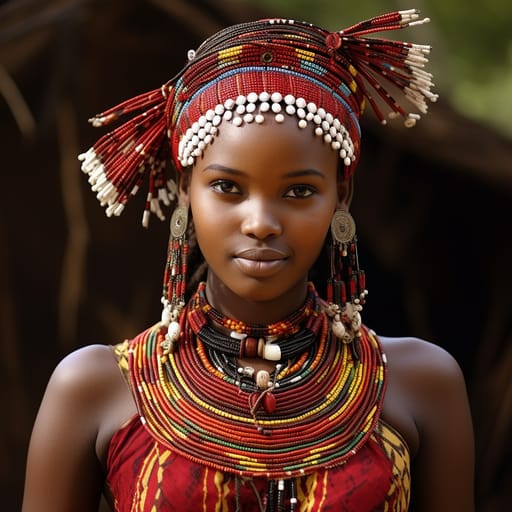
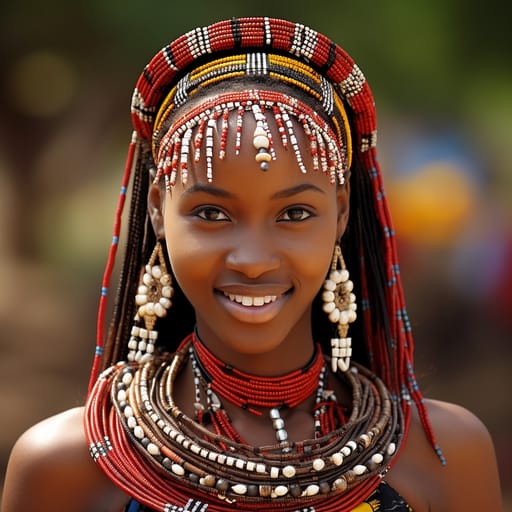
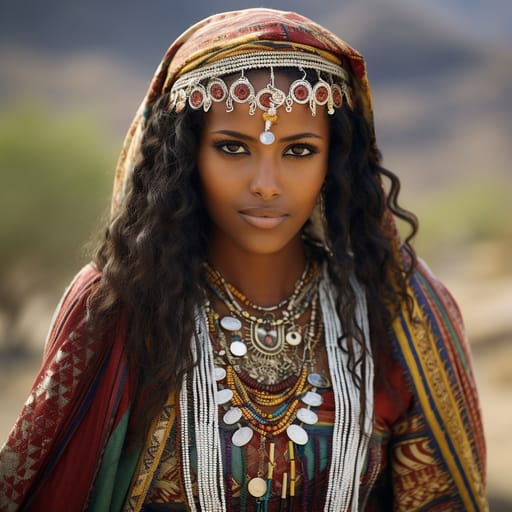
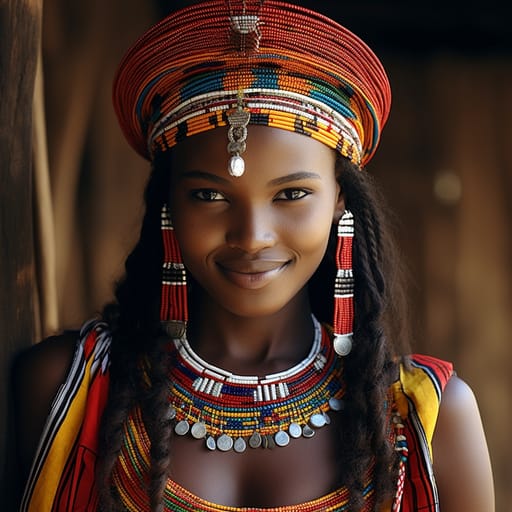
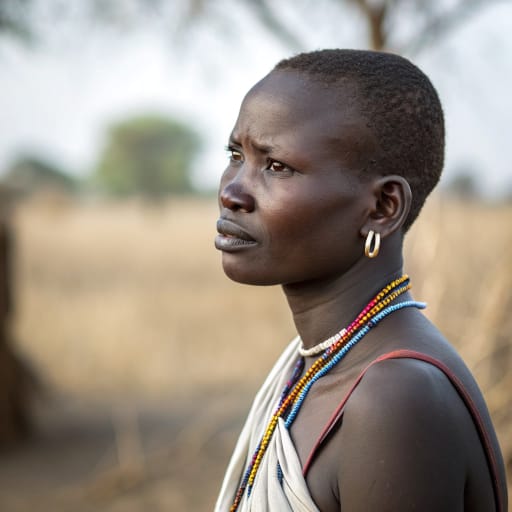
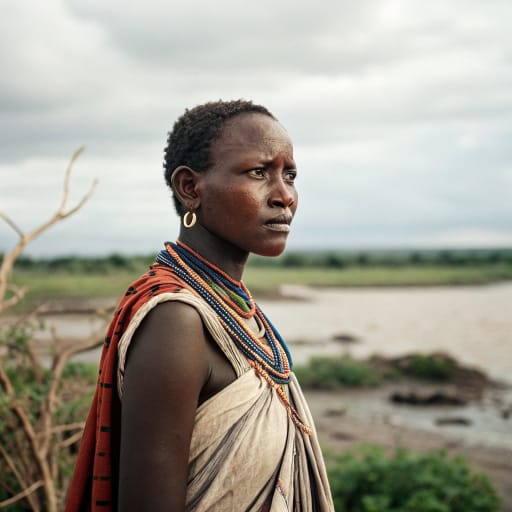
Typical Mahafaly Phenotypes
Reference for AI generation: hair, eyes, skin, facial structure, build
Explore phenotype categories
Structured taxonomy with peer-reviewed scales · 22 anatomical categories
Erotic Poses & Sex Positions
From the pose catalog: 219 named positions with reference skeletons
Frequently asked questions about Mahafaly people
Where is the Mahafaly homeland?
The Mahafaly homeland is The semi-arid plains between the Onilahy and Menarandra rivers in southwestern Madagascar, around Betioky and Ampanihy in Eastern Africa.
What language do Mahafaly people speak?
Mahafaly people primarily speak Mahafaly dialect of Malagasy (Austronesian, Malayo-Polynesian).
What religion do Mahafaly people practice?
The predominant religion among Mahafaly people is Ancestral religion centered on obligation to the razana, with a substantial Christian minority in the towns.






Make your own Mahafaly images
Five a day, free, no credits to buy. The studio starts from this group's phenotype data, so you can set body type, pose and style and keep the traits accurate.
Start with Mahafaly