Help us get this right
Does this portrait look right for Chonyi?
Nobody has judged this one yet. You would be the first.
Chonyi Erotic
The farming hinterland of Kilifi County on the Kenyan coast, on the ridge inland from the shore north of Mombasa, centered on the Kaya Chonyi forest
Chichonyi, a dialect of Mijikenda (Bantu, Niger-Congo; Sabaki branch); Swahili and English widely spoken
Christianity and Islam, alongside Mijikenda ancestral practice centered on the kaya and its elders
One of the nine Mijikenda peoples, with Giriama, Digo, Duruma, Rabai, Ribe, Kambe, Jibana and Kauma; organized in clans, age grades and elder councils
About Chonyi People
Chonyi names both a people and a place: a guarded forest on the ridge behind the Kenyan coast, and the community that traces its beginnings to the fortified village once hidden inside it. The Chonyi are one of the nine groups that make up the Mijikenda, a name that means roughly "nine towns." Their sense of self has always been tied to that founding settlement, the kaya. Today they farm the hinterland of Kilifi County, inland from the shore north of Mombasa. That puts them close enough to feel the pull of the Swahili towns and far enough away to keep their own ways.
Their speech, Chichonyi, is one of the Mijikenda dialects in the Sabaki branch of Bantu. It is close to neighboring Giriama and shares a good deal with Swahili, which most Chonyi also speak. Moving between homestead, market and Mombasa means shifting register rather than crossing a hard border. Oral tradition places the ancestors farther north at Shungwaya, a remembered homeland they left under pressure from Oromo herders before moving behind forest palisades. Historians debate how literal that story is. They also debate how far the nine groups saw themselves as one people before colonial rule, when outsiders lumped them together as "Nyika," a Swahili word for bush country. In the mid twentieth century the communities dropped that label in favor of Mijikenda.
The kaya was never simply a village. Authority rested with councils of elders drawn from clans and age grades, and the forest held the shrines, oaths and rites that kept the community in order. Over the nineteenth and twentieth centuries, as raids became less of a threat, families moved out to farm. The grove stayed the ritual center, and elders still enforce rules about who may enter and what may be cut. In 2008 a set of Mijikenda kaya forests was added to the UNESCO World Heritage List, formal recognition of what the groves had long meant locally.
Daily life layers old and new. Church and mosque both have a place in Chonyi communities, yet ancestral observance continues in funerals, offerings and visits to healers and diviners. Farming leans on maize, cassava and the coconut palm, whose sap is tapped for mnazi. This palm wine anchors hospitality across the Mijikenda world, even though some clergy frown on it. Less known outside Kenya are vigango, carved wooden memorial posts that Mijikenda communities raised for honored men of an elders' society. Many were stolen and sold to foreign collectors in the late twentieth century. Their slow return from overseas museums has become a pointed story about who gets to keep the dead.
Related ethnic groups
Groups that share Chonyi's homeland, region, language, or religious tradition. These are likely candidates for comparative phenotype reference.
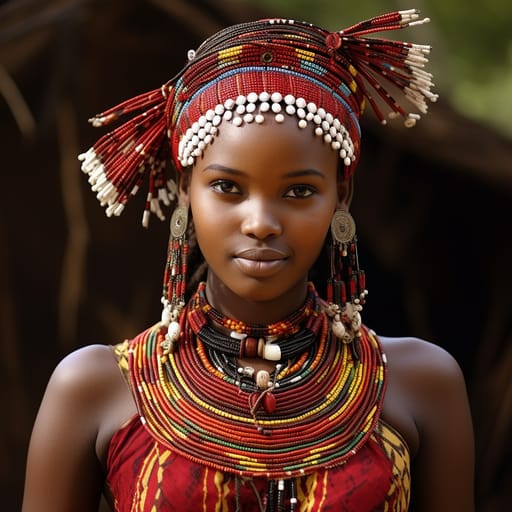
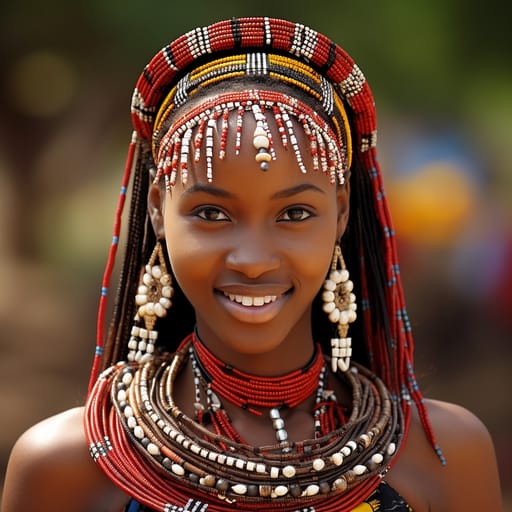
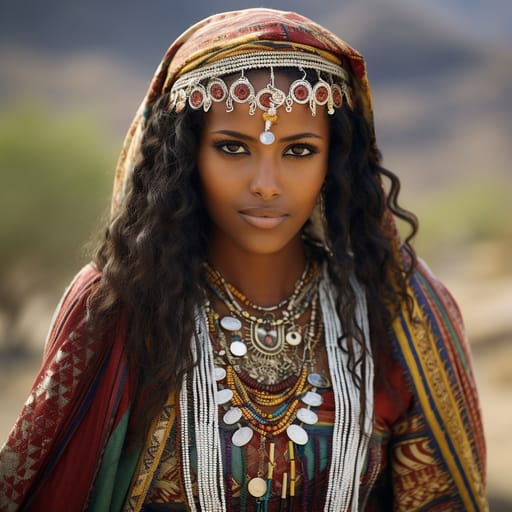
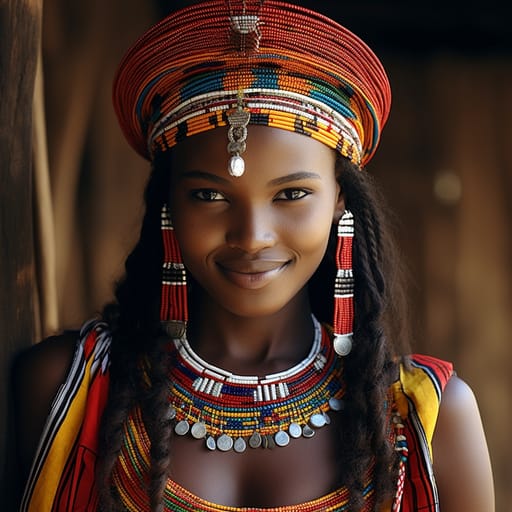
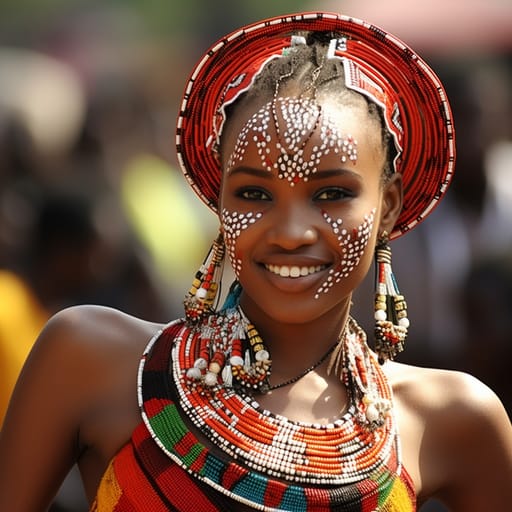
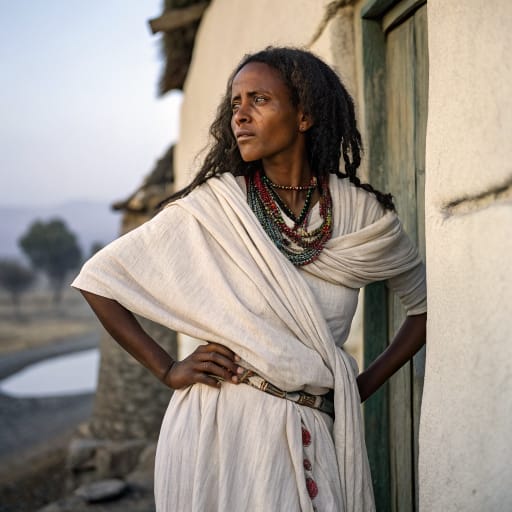
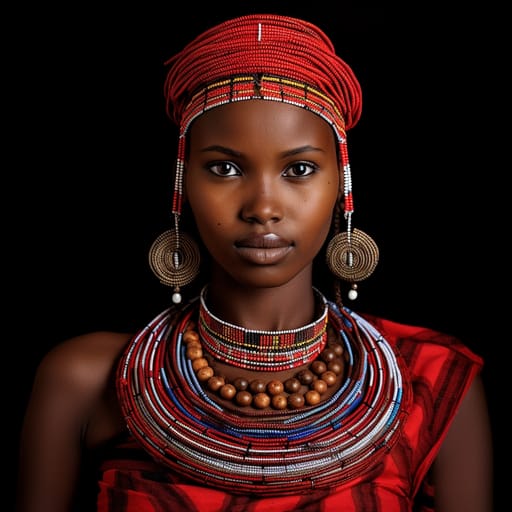
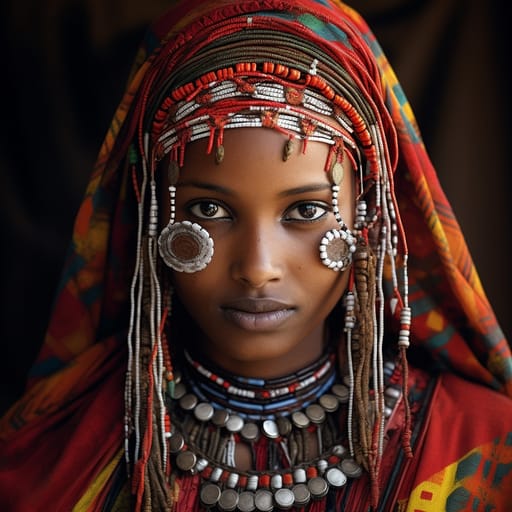
Typical Chonyi Phenotypes
Reference for AI generation: hair, eyes, skin, facial structure, build
Explore phenotype categories
Structured taxonomy with peer-reviewed scales · 22 anatomical categories
Erotic Poses & Sex Positions
From the pose catalog: 219 named positions with reference skeletons
Frequently asked questions about Chonyi people
Where is the Chonyi homeland?
The Chonyi homeland is The farming hinterland of Kilifi County on the Kenyan coast, on the ridge inland from the shore north of Mombasa, centered on the Kaya Chonyi forest in Eastern Africa.
What language do Chonyi people speak?
Chonyi people primarily speak Chichonyi, a dialect of Mijikenda (Bantu, Niger-Congo; Sabaki branch); Swahili and English widely spoken.
What religion do Chonyi people practice?
The predominant religion among Chonyi people is Christianity and Islam, alongside Mijikenda ancestral practice centered on the kaya and its elders.






Make your own Chonyi images
Five a day, free, no credits to buy. The studio starts from this group's phenotype data, so you can set body type, pose and style and keep the traits accurate.
Start with Chonyi