Help us get this right
Does this portrait look right for Lamtuna?
Nobody has judged this one yet. You would be the first.
Lamtuna Erotic
The western Sahara, from the Sous valley in southern Morocco to the Adrar plateau; the tribe is now based in southern Mauritania, with offshoots in Western Sahara, Morocco and Algeria.
Hassaniya Arabic today (Semitic, Afro-Asiatic); historically Zenaga Berber (Berber, Afro-Asiatic)
Sunni Islam of the Maliki school, historically bound up with the Almoravid reform movement
A tribe of the Sanhaja (Iznagen, Zenaga) Berber confederation; the Almoravid dynasty came from its lineages, and the Tajakant and Messouma are recognized offshoots
About Lamtuna People
The Lamtuna were the veiled men. Medieval Arab writers called them al-mulaththamun, wearers of the litham, because their men wound a length of cloth over the lower face and kept it there in company, before strangers, often while eating. Their women did not veil. The same custom survives among the Tuareg, their distant desert cousins, and it made the Lamtuna identifiable at a distance: a camel people who could be named before they were close enough to greet.
They belong to the Sanhaja, the great Berber confederation of the western Sahara, and their range ran from the Sous valley in southern Morocco down across sand and gravel to the Adrar plateau. Wandering is the wrong word for what they did. Camel nomadism was infrastructure: it let them hold the wells and the road between the salt pans of the deep desert and the gold moving north out of the Sudan. The caravan town of Awdaghust sat in Sanhaja hands before the empire of Ghana took it.
In the eleventh century a reforming preacher, Abdallah ibn Yasin, found his audience among these tribes, and the movement that came out of that meeting, the Almoravids, put Lamtuna commanders at the head of an empire. Yusuf ibn Tashfin ruled from the new city of Marrakesh, crossed to Spain, broke Alfonso VI at Zallaqa in 1086, and then swallowed the taifa kings he had come to rescue. For roughly a century a desert tribe governed from the Senegal River to the Ebro. When the Almohads ended it, Lamtuna families went north and stayed, and Almoravid remnants held the Balearic Islands and fought on in Ifriqiya long after Marrakesh had fallen.
What remained in the Sahara lost ground to Arab migration. The Char Bouba war of the seventeenth century left Sanhaja groups subordinate to Arab warrior lineages, and much of Berber Mauritania turned to Hassaniya Arabic and to a clerical vocation: law, teaching, the copying of manuscripts. The Lemtuna today are a tribe of southern Mauritania with named houses, Ehl Aly Ibn Ibrahim and Ehl Sidelemine among them, and recognized offshoots such as the Tajakant and the Messouma spread across Mauritania, Western Sahara, Morocco and Algeria. Zenaga, the old Berber tongue, is nearly gone. The veil is not.
Related ethnic groups
Groups that share Lamtuna's homeland, region, language, or religious tradition. These are likely candidates for comparative phenotype reference.
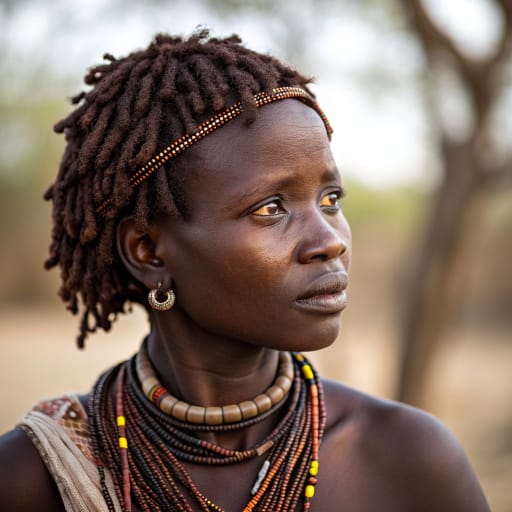
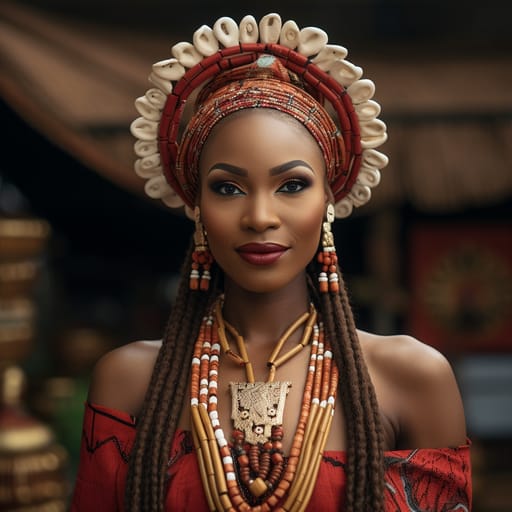
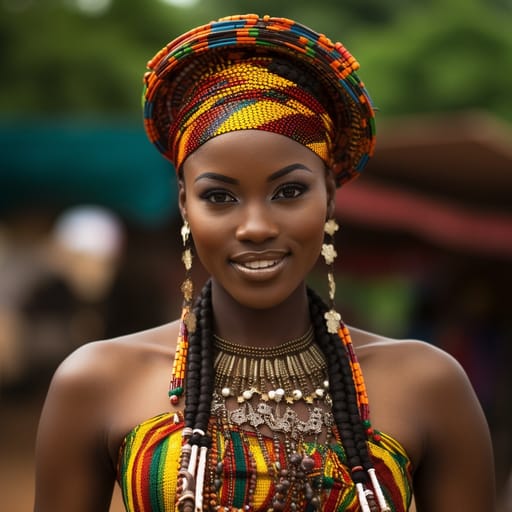
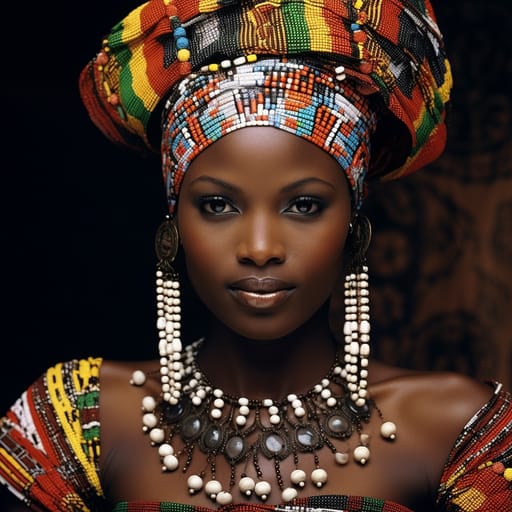
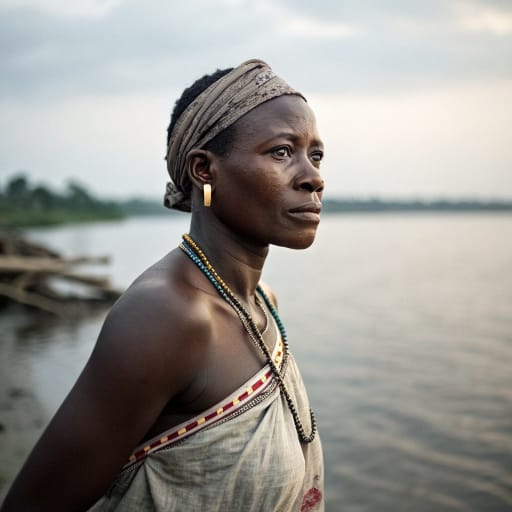
Typical Lamtuna Phenotypes
Reference for AI generation: hair, eyes, skin, facial structure, build
Explore phenotype categories
Structured taxonomy with peer-reviewed scales · 22 anatomical categories
Erotic Poses & Sex Positions
From the pose catalog: 219 named positions with reference skeletons
Frequently asked questions about Lamtuna people
Where is the Lamtuna homeland?
The Lamtuna homeland is The western Sahara, from the Sous valley in southern Morocco to the Adrar plateau; the tribe is now based in southern Mauritania, with offshoots in Western Sahara, Morocco and Algeria. in Western Africa.
What language do Lamtuna people speak?
Lamtuna people primarily speak Hassaniya Arabic today (Semitic, Afro-Asiatic); historically Zenaga Berber (Berber, Afro-Asiatic).
What religion do Lamtuna people practice?
The predominant religion among Lamtuna people is Sunni Islam of the Maliki school, historically bound up with the Almoravid reform movement.






Make your own Lamtuna images
Five a day, free, no credits to buy. The studio starts from this group's phenotype data, so you can set body type, pose and style and keep the traits accurate.
Start with Lamtuna