Help us get this right
Does this portrait look right for Koyaga?
Nobody has judged this one yet. You would be the first.
Koyaga Erotic
Mankono and the surrounding villages in the Béré region of north-central Côte d'Ivoire, with many living in Bouaké, Abidjan and towns of the south.
Koyaga, also written Koyaka (Manding branch of the Mande family); Jula as the everyday trade language, French in school and administration.
Sunni Islam in the Maliki tradition, alongside older institutions such as the dozo hunter brotherhoods.
One of the southern Manding peoples of Côte d'Ivoire, closest to the Worodougou and Mahou; commonly grouped with other northern Muslims under the label Dioula.
About Koyaga People
The Koyaga are the Manding people of Mankono, a savanna town in north-central Côte d'Ivoire, and of the villages spread out around it. What marks them off is less a separate culture than a specific place and a specific way of speaking. They belong to the long southern fringe of the Manding world, the descendants of traders, clerics and farmers who drifted down from the old Mali heartland over several centuries, following the kola routes toward the forest edge. The wider area has long been called Worodougou, literally "kola country", and that trade explains why Muslim Manding towns sit this far south at all. The name itself follows a common Manding pattern, with the ending -ka marking the people of a locality, and you will see it written Koyaka, Koyaga or simply Koya.
Their language, also called Koyaga, is one of a cluster of closely related Manding varieties in the Mande family, alongside Worodougou and Mahou speech to the west. A Koyaga speaker can get by with little effort in Jula, often spelled Dioula, the trade language of the Ivorian north and of markets across the country, and most people move between the two without thinking about it. French comes in through school and administration. Islam is close to universal, Sunni and in the Maliki tradition usual for West Africa, and it sets the rhythm of the week and year: Friday prayer, Ramadan, Tabaski, Quranic schooling for children, naming ceremonies a week after birth. Older institutions live beside it. The dozo hunter brotherhoods, with their amulet-hung tunics, their initiations and their reputation for knowledge of the bush, still count members here, and the inherited Manding distinctions between freeborn farming and trading lineages, blacksmiths and griots have not entirely lost their meaning when marriages are arranged.
The region has had a rough modern history. Samori Touré's armies took it in the 1890s as he shifted his empire eastward, and the French followed within a few years. From 2002 to 2011 Mankono lay on the rebel-held side of a divided country, cut off from Abidjan's administration. Today most Koyaga farm: yams, rice and maize to eat, cotton and above all cashew to sell, with small-scale gold digging pulling in some younger men. Many live elsewhere, in Bouaké, Abidjan and the cocoa towns of the south, where they are usually folded into the catch-all label "Dioula" along with every other northern Muslim. At home the narrower name matters, and so does the town it points back to.
Related ethnic groups
Groups that share Koyaga's homeland, region, language, or religious tradition. These are likely candidates for comparative phenotype reference.
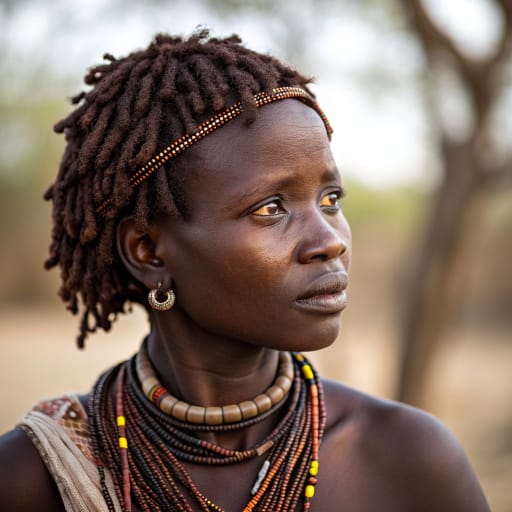
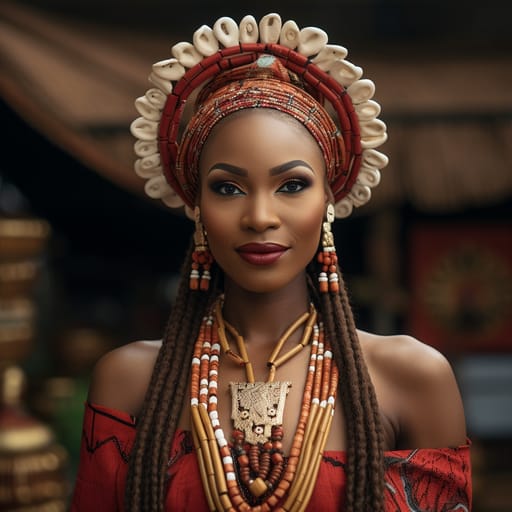
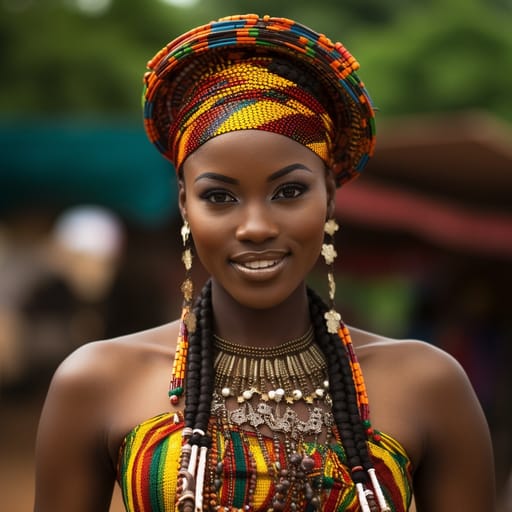
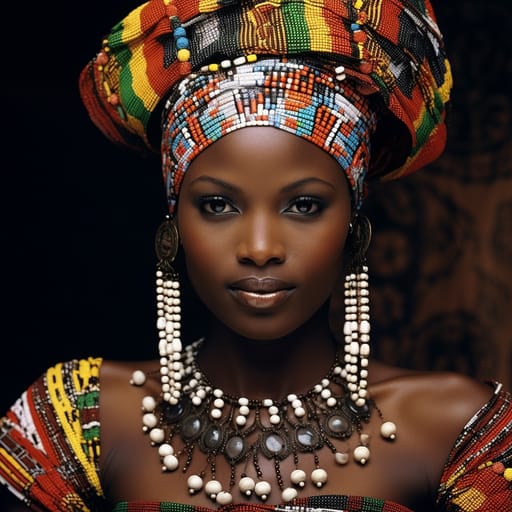
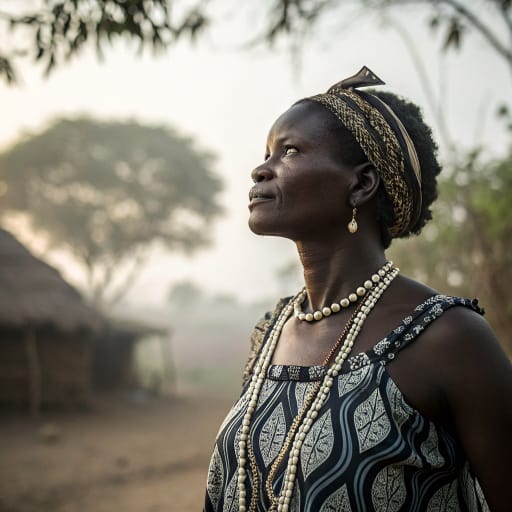
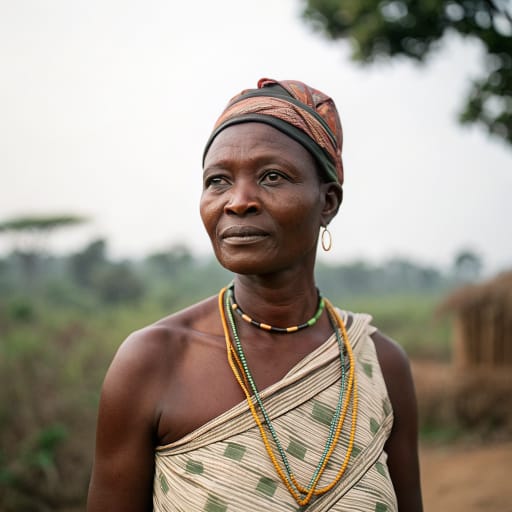
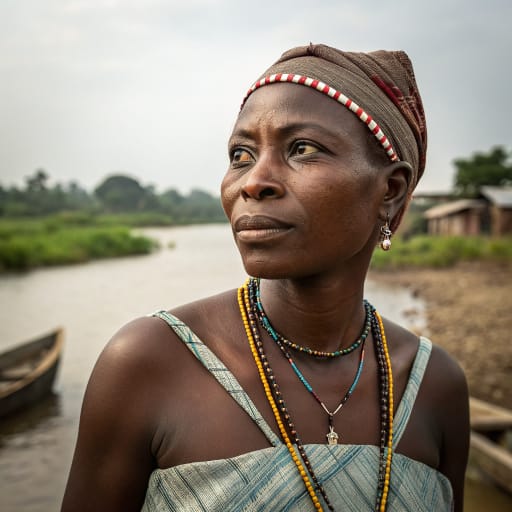
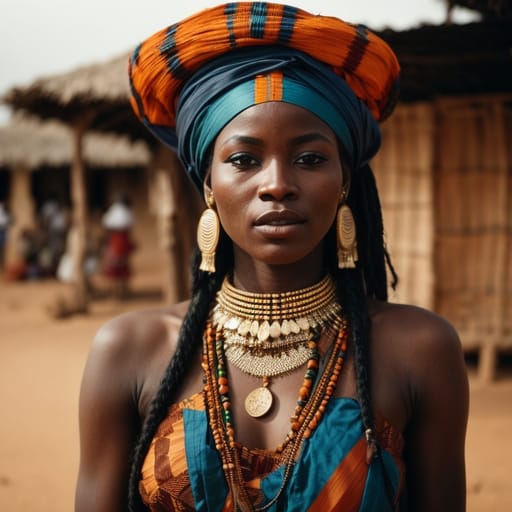
Typical Koyaga Phenotypes
Reference for AI generation: hair, eyes, skin, facial structure, build
Koyaga Body & Anatomy Reference
Anatomy by feature, West African Niger-Congo phenotype
Koyaga Boobs & Breasts
Koyaga boobs follow the West African Niger-Congo profile: medium-to-large cup, full, projecting. Areolar diameter is usually 35-50mm, and the coloring is deep-brown to near-black areolar pigmentation against the medium-to-deep-brown skin tone. Breast shape tracks body composition (mesomorph with strong gluteal-femoral fat distribution, mean adult female BMI 24-27), so Koyaga breasts tend to be fuller and more projecting than the East African norm. Expect a forward-set shape, not the smaller conical Cushitic East African profile.
Koyaga Ass & Hips
Koyaga ass and hip morphology presents as wide-set, full, heavily projected glutes, distinctly different from the slim narrow-hip Cushitic East African profile. The Koyaga pelvic profile shows wide iliac crests, broad gynoid pelvic pattern, high glute-to-waist ratio, anchored in the West African Niger-Congo skeletal pattern. Koyaga butt shots in adult AI imagery should render the wide-set, full, heavily projected glutes silhouette with the overall build (mesomorph with strong gluteal-femoral fat distribution) and the fat distribution typical of the West African Niger-Congo phenotype.
Koyaga Vagina & Pussy
Koyaga pussy anatomy typically shows deep-brown to near-black labial pigmentation, fuller labia minora. Pubic hair is usually tightly-coiled coarse texture, densely distributed. In AI-generated Koyaga nudes, labial color should blend into the medium-brown to deep-brown skin with a gradual transition, and the hair should keep its tightly-coiled coarse texture.
Koyaga Dicks & Penis
Penis reference for Koyaga men: regional mean ~14-15cm erect, above-average girth, ~13cm circumference. Coloring: deep-brown-to-near-black shaft pigmentation. An accurate Koyaga cock in AI imagery matches the surrounding medium-brown to deep-brown skin rather than a generic porn default. Circumcision depends on religion and custom, not ancestry.
Koyaga Body, Curves & Build
The Koyaga figure is generally mesomorph with strong gluteal-femoral fat distribution, with mean adult female BMI 24-27, characteristic of West African Niger-Congo ancestry. AI image tools tend to flatten regional body types into a few stock shapes; here the Koyaga build is kept as its own reference.
Koyaga Skin Tone & Hair Texture
Skin: medium-brown to deep-brown (Fitzpatrick V-VI). Hair: tight 4A-4C coil, often worn natural, braided, or relaxed. Both are typical of West African Niger-Congo ancestry. The most common mistake in AI nudes of Koyaga women is a body rendered lighter than the face.
Explore phenotype categories
Structured taxonomy with peer-reviewed scales · 22 anatomical categories
Erotic Poses & Sex Positions
From the pose catalog: 219 named positions with reference skeletons
Frequently asked questions about Koyaga people
Where is the Koyaga homeland?
The Koyaga homeland is Mankono and the surrounding villages in the Béré region of north-central Côte d'Ivoire, with many living in Bouaké, Abidjan and towns of the south. in Western Africa.
What language do Koyaga people speak?
Koyaga people primarily speak Koyaga, also written Koyaka (Manding branch of the Mande family); Jula as the everyday trade language, French in school and administration..
What religion do Koyaga people practice?
The predominant religion among Koyaga people is Sunni Islam in the Maliki tradition, alongside older institutions such as the dozo hunter brotherhoods..






Make your own Koyaga images
Five a day, free, no credits to buy. The studio starts from this group's phenotype data, so you can set body type, pose and style and keep the traits accurate.
Start with Koyaga