No portrait yet
Iwellemmedan Erotic
The Azawagh valley and the northern side of the Niger bend: the Ménaka and Gao regions of eastern Mali, and the Tahoua and Azawagh areas of western Niger.
Tawallammat Tamajaq (Tuareg branch of Berber, Afroasiatic), written in Tifinagh; client groups such as the Idaksahak speak Tadaksahak (Songhay, heavily Berber in vocabulary).
Sunni Islam of the Maliki school, carried by ineslemen clerical lineages, alongside surviving pre-Islamic spirit beliefs.
A Tuareg (Kel Tamasheq) confederation within the wider Amazigh world, divided into the Iwellemmedan Kel Ataram in Mali and the Iwellemmedan Kel Denneg in Niger, with attached vassal, clerical, artisan and formerly servile classes.
About Iwellemmedan People
The Iwellemmedan are a Tuareg confederation, and confederation is the operative word: what identifies them is less a bounded homeland than a political order that outlasted several empires around it. Noble lineages, vassal herding clans, clerical families and blacksmith artisans were bound to an amenokal whose authority ran across the Azawagh, a fossil river valley reaching down from the desert toward the Niger. From the eighteenth century they were the dominant power on the northern flank of the middle Niger, taxing river towns, escorting and raiding caravans, and contesting ground with the Sokoto Caliphate to the south and with rival Tuareg to the north. A succession quarrel in the early nineteenth century split them in two, and the halves stayed split: the Kel Ataram, the westerners, around Ménaka in what is now Mali, and the Kel Denneg, the easterners, around Tahoua and the Azawagh basin in Niger. Both kept the name, which outsiders have spelled Iullemmeden, Awlimmiden and half a dozen other ways.
Their language is Tawallammat Tamajaq, a southern variety of Tuareg Berber. The name marks the border: where the Ahaggar Tuareg say Tamahaq, the Iwellemmedan say Tamajaq, and speakers place each other by that sound the way you would place an accent from three counties over. The old alphabet, Tifinagh, was never the script of administration and has survived anyway, on rock faces, on silverwork, in messages passed between people. Not everyone under the confederation spoke Berber at all: the Idaksahak, clients of the Iwellemmedan for centuries, speak Tadaksahak, which runs Songhay grammar on a largely Berber vocabulary. Islam here is Sunni and Maliki, taught and adjudicated by the ineslemen, the clerical lineages, and it sits alongside older spirit beliefs and a social order in which men veil with the tagelmust from adolescence and women do not, in which women keep the imzad fiddle and much of the poetry, and in which noble descent has often been reckoned through the mother. Confederal power ended hard: in 1916 Firhoun ag Alinsar, amenokal of the Kel Ataram, rose against French requisitioning at Ménaka and was hunted down and killed within the year. Drought in the 1970s and again in the 1980s killed the herds that made the rest of it work. Since 1990 the Iwellemmedan have lived through repeated rebellions and armed conflict on both sides of the border between Mali and Niger, and the Ménaka country has been among the most dangerous ground in the Sahel. Households now stretch from camps in the Azawagh to Niamey, Bamako and the labor markets of Algeria and Libya, held together by phone and remittance.
Related ethnic groups
Groups that share Iwellemmedan's homeland, region, language, or religious tradition. These are likely candidates for comparative phenotype reference.
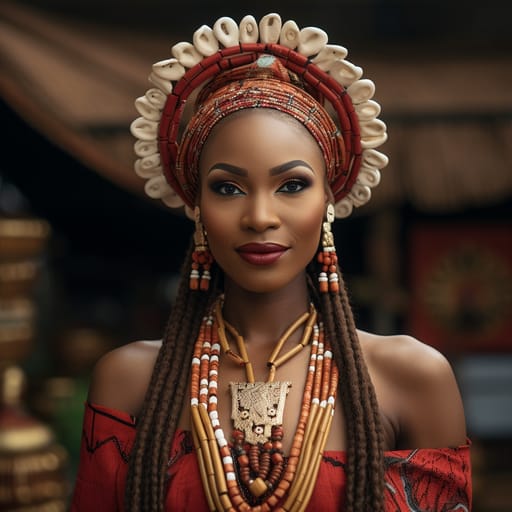
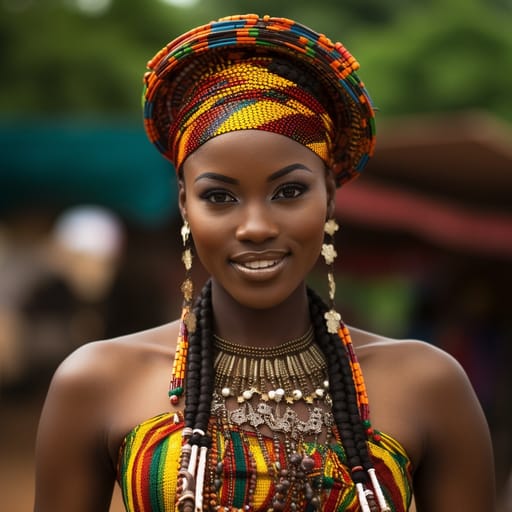
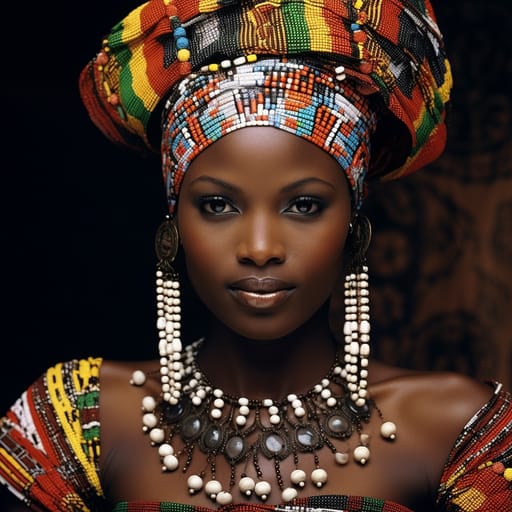
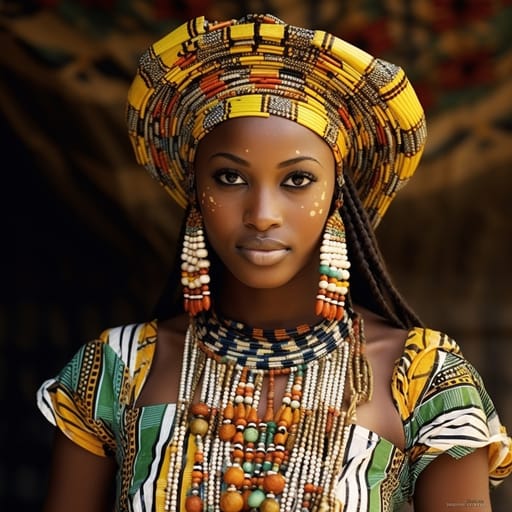
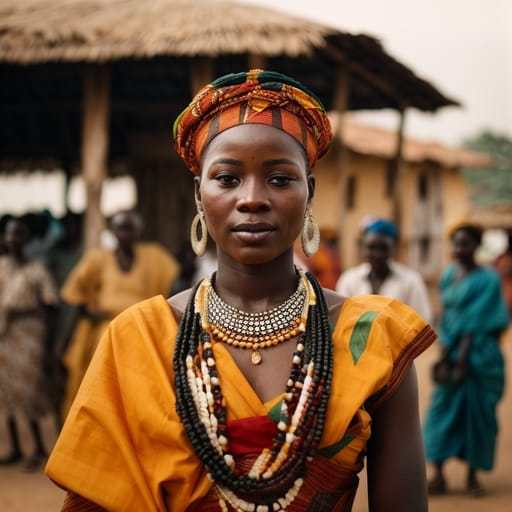
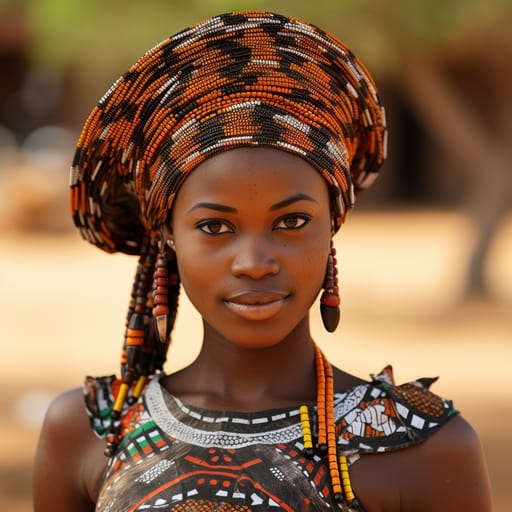
Typical Iwellemmedan Phenotypes
Reference for AI generation: hair, eyes, skin, facial structure, build
Explore phenotype categories
Structured taxonomy with peer-reviewed scales · 22 anatomical categories
Erotic Poses & Sex Positions
From the pose catalog: 219 named positions with reference skeletons
Frequently asked questions about Iwellemmedan people
Where is the Iwellemmedan homeland?
The Iwellemmedan homeland is The Azawagh valley and the northern side of the Niger bend: the Ménaka and Gao regions of eastern Mali, and the Tahoua and Azawagh areas of western Niger. in Western Africa.
What language do Iwellemmedan people speak?
Iwellemmedan people primarily speak Tawallammat Tamajaq (Tuareg branch of Berber, Afroasiatic), written in Tifinagh; client groups such as the Idaksahak speak Tadaksahak (Songhay, heavily Berber in vocabulary)..
What religion do Iwellemmedan people practice?
The predominant religion among Iwellemmedan people is Sunni Islam of the Maliki school, carried by ineslemen clerical lineages, alongside surviving pre-Islamic spirit beliefs..






Make your own Iwellemmedan images
Five a day, free, no credits to buy. The studio starts from this group's phenotype data, so you can set body type, pose and style and keep the traits accurate.
Start with Iwellemmedan