Help us get this right
Does this portrait look right for Gwere?
Nobody has judged this one yet. You would be the first.
Gwere Erotic
Bugwere, in eastern Uganda: mainly Budaka, Kibuku and Pallisa districts, west of Mount Elgon and southeast of Lake Kyoga.
Lugwere (Niger-Congo, Bantu, North Nyanza branch, close to Luganda and Lusoga)
Mainly Christian (Anglican and Catholic), with a Muslim minority and continuing clan and ancestral observances.
Great Lakes Bantu, North Nyanza cluster alongside the Baganda and Basoga; organized into patrilineal clans.
About Gwere People
The Gwere, who call themselves Bagwere, are a Bantu-speaking people of eastern Uganda. The root gwere names the people, their language, Lugwere, and their homeland, Bugwere. That homeland is flat, low and wet, lying west of Mount Elgon and southeast of Lake Kyoga, and today it mostly falls within Budaka, Kibuku and Pallisa districts. Over the past two decades the area has been split into several new districts. This is farm country first. Millet, cassava and sweet potatoes feed households, and cotton was pushed as a cash crop under colonial rule. Rice now fills the swampy edges of rivers like the Mpologoma, which drains north into Kyoga.
Lugwere belongs to the North Nyanza branch of Bantu along with Luganda and Lusoga. The three are close enough that speakers can follow one another without much strain. What sets Bugwere apart is its neighborhood. The Iteso to the north, and within Pallisa itself, speak an Eastern Nilotic language. The Jopadhola to the southeast speak a Luo language. The Bagisu to the east and the Banyole to the south speak Bantu languages too, but from other branches of the family. A short drive in almost any direction crosses a language line.
History as the Bagwere tell it points west, and oral traditions link many clans to Bunyoro and to earlier movements around Lake Kyoga. Before colonial rule there was no Gwere king. Authority rested with clan heads. The turning point came around 1900, when Semei Kakungulu, a Ganda general working with the British, pushed into the east. He made Budaka an early base before moving on to Mbale. Baganda agents then helped run the region inside the colonial district of Bukedi. Ganda influence is still easy to spot, not least in the gomesi and kanzu worn on formal occasions.
Most Bagwere are Christian, largely Anglican or Catholic, and there is a Muslim minority. Faith and clan run side by side. Clan membership still matters at marriages, in bridewealth negotiations and at burials, whatever church or mosque a family attends. The Bagwere also have a cultural leader with the title Ikumbania. The role is a figurehead for the language and customs, and for the idea that Bugwere has its own voice among larger and louder neighbors.
Related ethnic groups
Groups that share Gwere's homeland, region, language, or religious tradition. These are likely candidates for comparative phenotype reference.
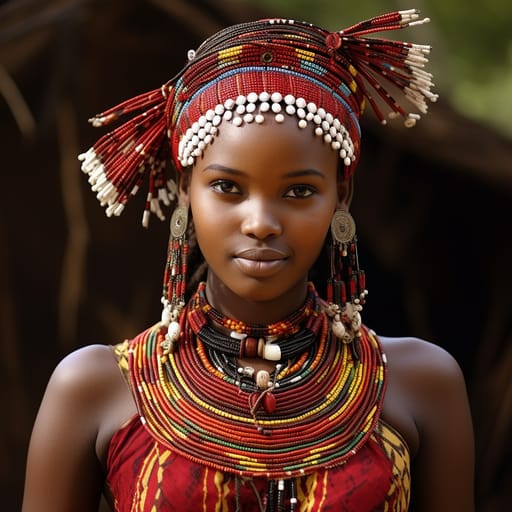
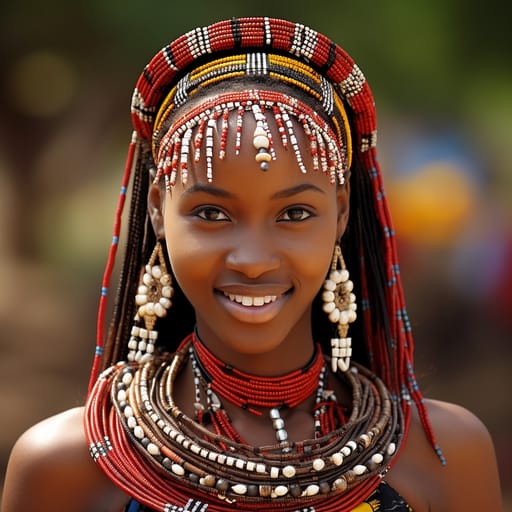
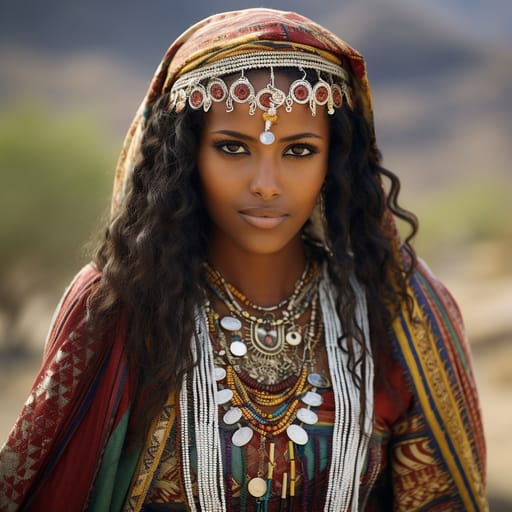
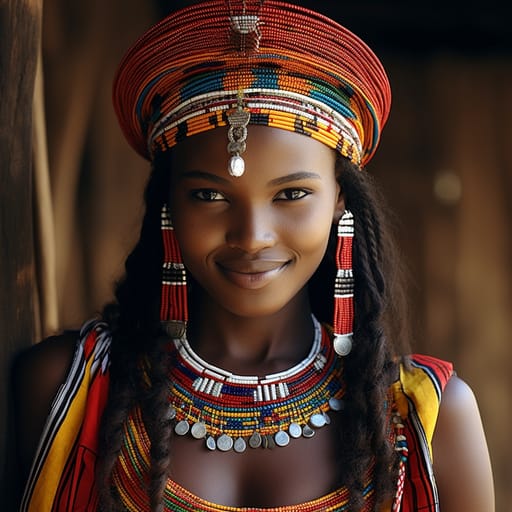
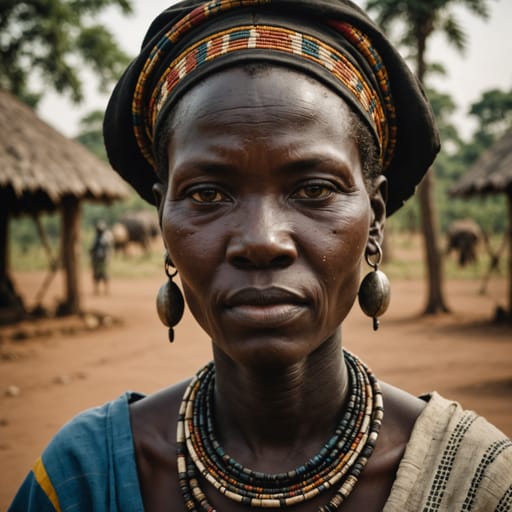
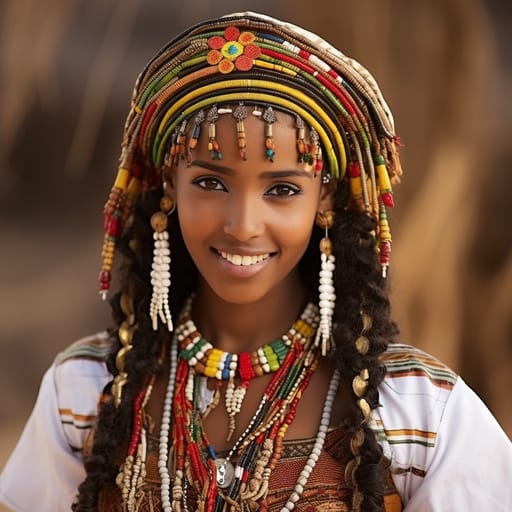
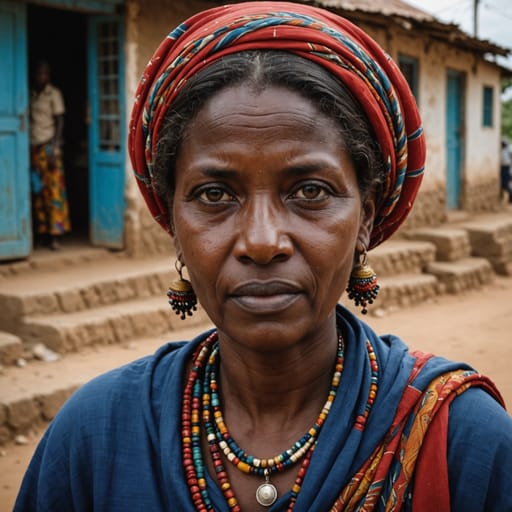
Typical Gwere Phenotypes
Reference for AI generation: hair, eyes, skin, facial structure, build
Explore phenotype categories
Structured taxonomy with peer-reviewed scales · 22 anatomical categories
Erotic Poses & Sex Positions
From the pose catalog: 219 named positions with reference skeletons
Frequently asked questions about Gwere people
Where is the Gwere homeland?
The Gwere homeland is Bugwere, in eastern Uganda: mainly Budaka, Kibuku and Pallisa districts, west of Mount Elgon and southeast of Lake Kyoga. in Eastern Africa.
What language do Gwere people speak?
Gwere people primarily speak Lugwere (Niger-Congo, Bantu, North Nyanza branch, close to Luganda and Lusoga).
What religion do Gwere people practice?
The predominant religion among Gwere people is Mainly Christian (Anglican and Catholic), with a Muslim minority and continuing clan and ancestral observances..






Make your own Gwere images
Five a day, free, no credits to buy. The studio starts from this group's phenotype data, so you can set body type, pose and style and keep the traits accurate.
Start with Gwere