Help us get this right
Does this portrait look right for Godala?
Nobody has judged this one yet. You would be the first.
Godala Erotic
The Atlantic side of the western Sahara, in present-day Mauritania and possibly neighboring Western Sahara
A Sanhaja Berber language, the ancestor of modern Zenaga (Berber, Afroasiatic)
Sunni Islam, reformed along Maliki lines by Almoravid preaching in the 11th century
A tribe of the Sanhaja Berber confederation, alongside the Lamtuna and Massufa; later absorbed into Moorish (Bidhan) society
About Godala People
The Godala were a Sanhaja Berber tribe of the far western Sahara. In the 11th century these camel-herding nomads held the Atlantic side of present-day Mauritania, and they were later absorbed into the Moorish society that still lives on that land. History remembers them for two things that pull against each other. A Godala chief brought in the preacher whose movement became the Almoravid empire, and the Godala were the first people to throw him out.
They belonged to the same loose Sanhaja grouping as the Lamtuna and the Massufa, desert herders who ranged between the Maghreb and the Sahel. They spoke a Sanhaja Berber language, the ancestor of Zenaga. Zenaga still survives in a few communities in southwestern Mauritania, surrounded by speakers of Hassaniya Arabic. Men of these tribes wrapped the lower face in the litham, a cloth veil, and Arab writers called the whole group the veiled ones because of it.
The break with the Almoravids
In the 1030s the Godala chief Yahya ibn Ibrahim made the pilgrimage to Mecca. His people were Muslim, but only loosely, and on the way home he went looking for a teacher. The search took him through Kairouan and southern Morocco and ended with Abdallah ibn Yasin, a hard-line Maliki jurist who agreed to come south with him. The arrangement held while Yahya lived. After his death, Godala leaders who had had enough of Ibn Yasin's severity stripped him of his authority, wrecked his house and drove him out. The Lamtuna took him in, and the army that went on to conquer Morocco and al-Andalus grew from that second start. The Godala did not simply step aside. They fought the new movement, and in the mid-1050s they killed its Lamtuna commander, Yahya ibn Umar, in battle.
No Godala state came after, and over time the name stopped marking a political group. Arab Beni Hassan tribes pushed into the region in the late Middle Ages. After the Char Bouba war of the 17th century, most of the older Berber lineages became zawaya, clans of clerics and scholars living under Arab warrior groups. The Godala live on inside that layered Moorish society and in the opening chapter of the Almoravid story, as the people who started it and then refused to be ruled by it.
Related ethnic groups
Groups that share Godala's homeland, region, language, or religious tradition. These are likely candidates for comparative phenotype reference.
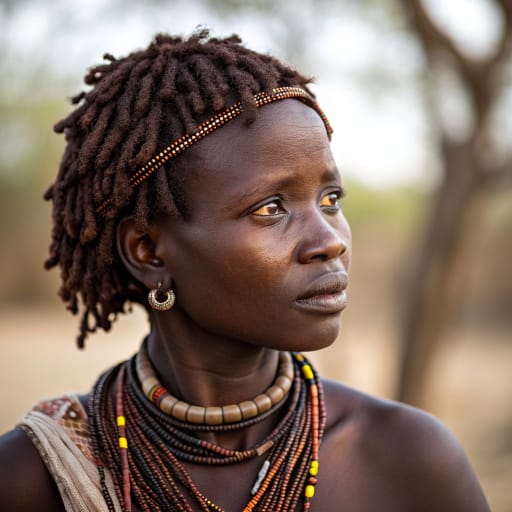
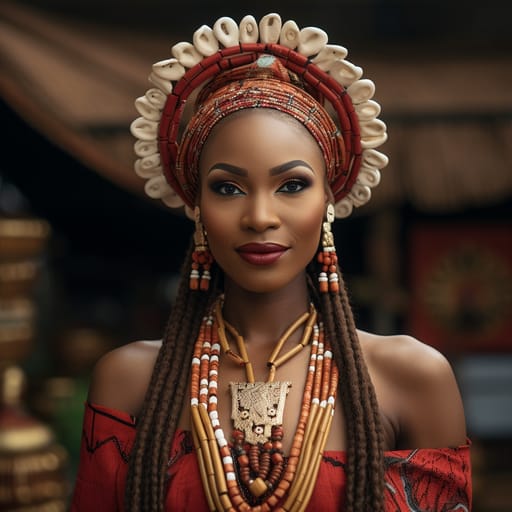
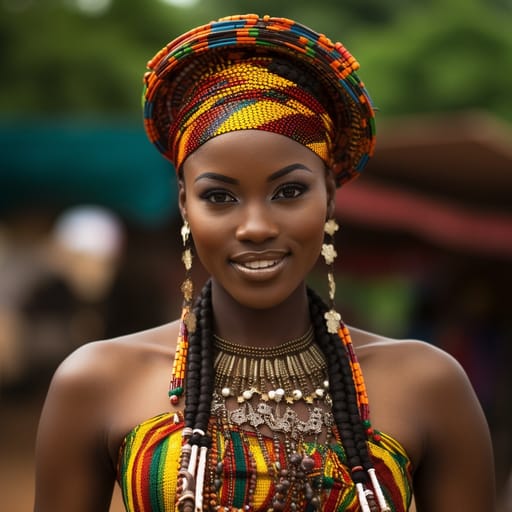
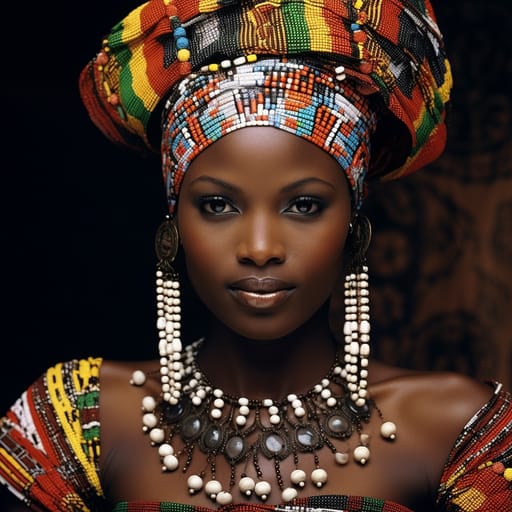
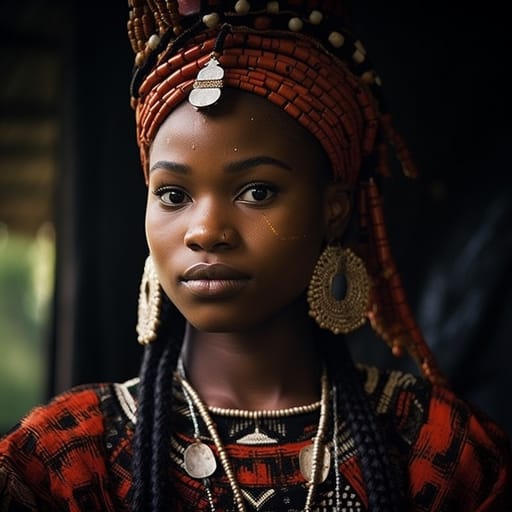
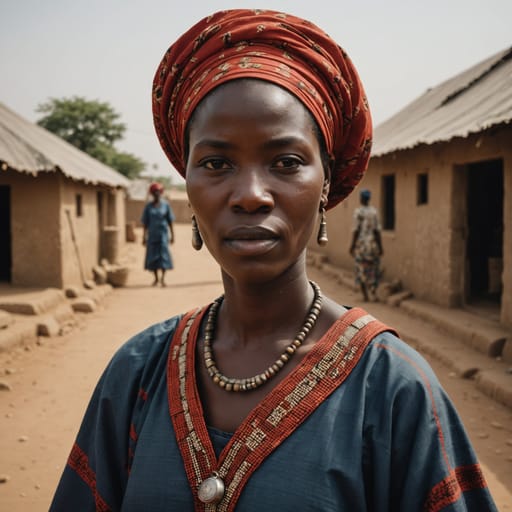
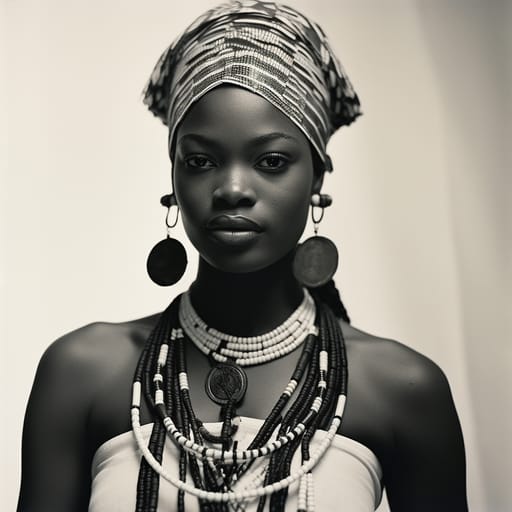
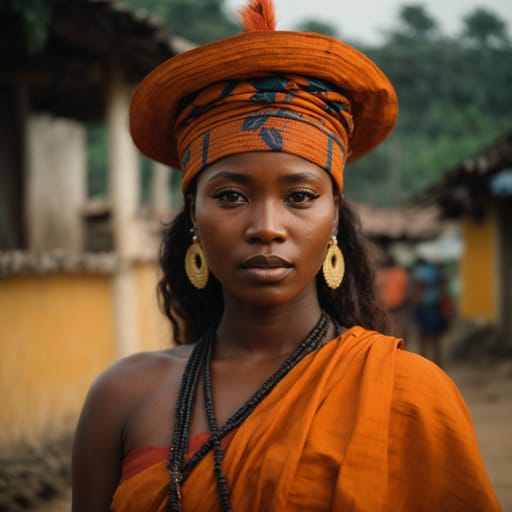
Typical Godala Phenotypes
Reference for AI generation: hair, eyes, skin, facial structure, build
Explore phenotype categories
Structured taxonomy with peer-reviewed scales · 22 anatomical categories
Erotic Poses & Sex Positions
From the pose catalog: 219 named positions with reference skeletons
Frequently asked questions about Godala people
Where is the Godala homeland?
The Godala homeland is The Atlantic side of the western Sahara, in present-day Mauritania and possibly neighboring Western Sahara in Western Africa.
What language do Godala people speak?
Godala people primarily speak A Sanhaja Berber language, the ancestor of modern Zenaga (Berber, Afroasiatic).
What religion do Godala people practice?
The predominant religion among Godala people is Sunni Islam, reformed along Maliki lines by Almoravid preaching in the 11th century.






Make your own Godala images
Five a day, free, no credits to buy. The studio starts from this group's phenotype data, so you can set body type, pose and style and keep the traits accurate.
Start with Godala