Help us get this right
Does this portrait look right for Fipa?
Nobody has judged this one yet. You would be the first.
Fipa Erotic
The Ufipa Plateau in Rukwa Region, southwestern Tanzania, between Lake Tanganyika and Lake Rukwa, with a smaller presence across the border in northeastern Zambia.
Fipa, also called Kifipa (Bantu, Niger-Congo), in the Fipa-Mambwe cluster; Swahili is near universal as a second language.
Predominantly Roman Catholic, with Protestant and Muslim minorities, alongside continuing ancestral and place-spirit practice.
Bantu, Fipa-Mambwe cluster, close kin to the Mambwe, Lungu and Pimbwe; historically divided between the kingdoms of Nkansi and Lyangalile, both later than the Milansi chiefship.
About Fipa People
The Fipa live on a high grass plateau in southwestern Tanzania, a cool block of country set between two very different bodies of water: Lake Tanganyika, deep and cold, on the west, and the shallow, salty Rukwa basin on the east. Ufipa sits mostly above 5,000 feet, which buys it a climate the surrounding lowlands do not have, including cold nights and frost in the hollows. The plateau is what the Fipa are organized around, and their answer to its thin soils is a farming method worth knowing about: grass is cut and piled, earth is turned over the heap, the whole mound composts through the dry season, and the next crop of finger millet or maize goes in on top of it. Fields of these mounds, laid out in rows across the open grassland, are the signature of Fipa country.
Their language, Fipa, belongs to a small Bantu cluster that also holds Mambwe, Lungu and Pimbwe, spoken by neighbors on both sides of the Tanzania and Zambia border, so the linguistic boundary is soft where the political one is hard. Swahili does the public work now: school, market, church, government. Fipa tradition remembers an older polity called Milansi, the village that endures, and then the arrival of a ruling line from the north that built a state over it. By the eighteenth century that state had split in two, Nkansi in the north and Lyangalile in the south, and those two kingdoms were still the frame of Fipa politics when German and later British administration arrived.
Ufipa's other old distinction was iron. Fipa smelters built tall shaft furnaces that drew their own draft, no bellows and no crew pumping them, and the bloom that came out was carbon-rich enough to work as steel. Fipa hoes and axes traveled well beyond the plateau, and the craft lasted far enough into the twentieth century to be watched and recorded properly. Catholicism arrived with the White Fathers on the Tanganyika shore in the 1880s and took hold hard: Ufipa is one of the more thoroughly Catholic corners of Tanzania, with the mission schooling that came attached and a long record of sending priests into the wider church. Underneath runs the older business of ancestors and the spirits of particular places, attended to without much sense of contradiction. Villagization in the 1970s rearranged where families lived, but not what they grew or how.
Related ethnic groups
Groups that share Fipa's homeland, region, language, or religious tradition. These are likely candidates for comparative phenotype reference.
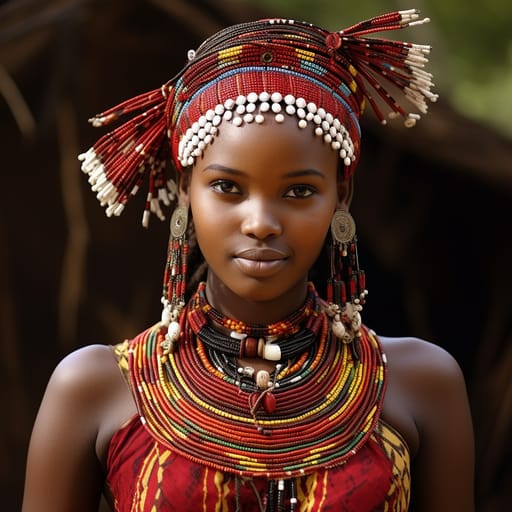
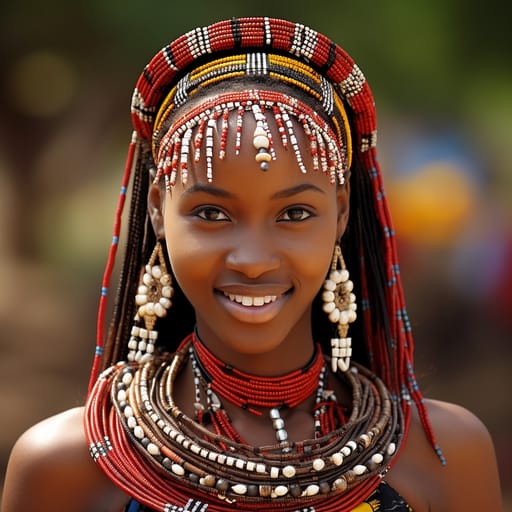
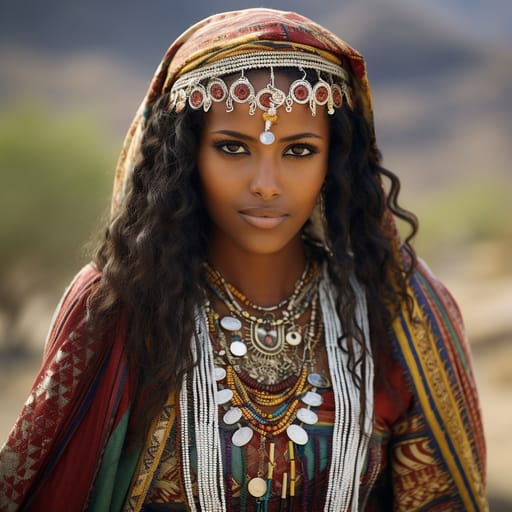
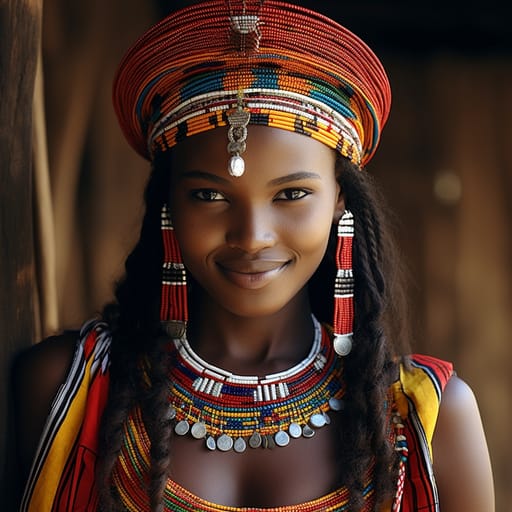
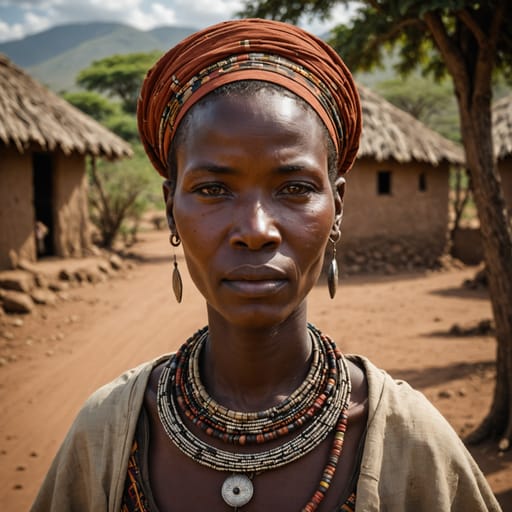
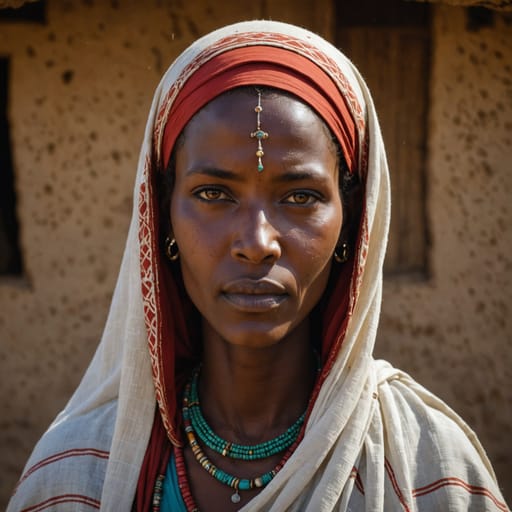
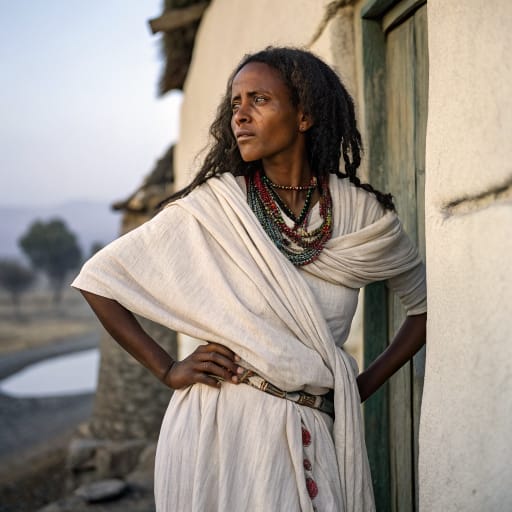
Typical Fipa Phenotypes
Reference for AI generation: hair, eyes, skin, facial structure, build
Explore phenotype categories
Structured taxonomy with peer-reviewed scales · 22 anatomical categories
Erotic Poses & Sex Positions
From the pose catalog: 219 named positions with reference skeletons
Frequently asked questions about Fipa people
Where is the Fipa homeland?
The Fipa homeland is The Ufipa Plateau in Rukwa Region, southwestern Tanzania, between Lake Tanganyika and Lake Rukwa, with a smaller presence across the border in northeastern Zambia. in Eastern Africa.
What language do Fipa people speak?
Fipa people primarily speak Fipa, also called Kifipa (Bantu, Niger-Congo), in the Fipa-Mambwe cluster; Swahili is near universal as a second language..
What religion do Fipa people practice?
The predominant religion among Fipa people is Predominantly Roman Catholic, with Protestant and Muslim minorities, alongside continuing ancestral and place-spirit practice..






Make your own Fipa images
Five a day, free, no credits to buy. The studio starts from this group's phenotype data, so you can set body type, pose and style and keep the traits accurate.
Start with Fipa