No portrait yet
Romanichal Erotic
England, Wales and southern Scotland in the United Kingdom, with established communities in the United States, Canada, Australia, New Zealand and South Africa
English (Indo-European, Germanic) and Angloromani (mixed language: Indo-Aryan Romani vocabulary on English grammar)
Christian: historically Church of England, with a strong Pentecostal presence through the Light and Life Gypsy Church
A Romani people, closely related to the Welsh Kale and Lowland Scottish Travelers, distinct from Irish Travelers; diaspora branches in North America, Australia, New Zealand and South Africa
About Romanichal People
The Romanichal are the Romani people of Britain, the families outsiders have long called English Gypsies. What marks them as a group is less a territory than shared descent, surnames that recur across generations, and a vocabulary kept for use among their own. The name comes from Romani chal, roughly "Romani fellow," and anyone outside the community is a gorger. Their ancestors were part of the same long migration out of northern India that produced every Romani population in Europe. They reached Scotland and England by the early 1500s and were taken for Egyptians, a mistake that gave English the word Gypsy.
Tolerance did not last. Tudor statutes under Henry VIII and Mary I ordered "Egyptians" out of the realm, then made staying a felony punishable by death. The families stayed anyway and worked the margins of the rural economy: horse dealing, peg making, knife grinding, hawking door to door, and the seasonal round of hop and fruit picking in Kent and Herefordshire. The painted bow top wagon, the vardo, came surprisingly late, in the nineteenth century, and became the emblem of the life. In the same period some families crossed to the United States and Canada, and others settled in Australia, New Zealand and South Africa, where Romanichal communities endure.
The Romani language has worn down into Angloromani, which carries a Romani vocabulary on English grammar: kushti for good, chavvi for child, mush for man. It serves as a family register and a way to speak privately in public, and it lent everyday English the word pal, from phral, brother. Rules against mochadi, ritual uncleanliness, still govern many homes, with separate bowls for dishes, laundry and bodies, and dogs kept outside the trailer. Faith is Christian, historically Church of England, though the Pentecostal Light and Life Gypsy Church has drawn large followings in recent decades. Funerals are major gatherings, marked by floral tributes shaped as horses or wagons. In earlier generations a dead person's wagon and belongings were sometimes burned.
Land law has shaped modern life. The Caravan Sites Act of 1968 required councils to provide pitches. That duty was repealed in 1994, and a 2022 law made some unauthorized encampments a criminal offense. Courts have recognized Gypsies as an ethnic group since 1988. In Britain most families now live in houses or on permanent sites, yet travel remains central to how people see themselves. The horse fairs are where the community shows itself in public: Appleby in Cumbria each June, where horses are washed in the River Eden and run up the flashing lane, and Stow in Gloucestershire. Both are occasions to trade and catch up with kin.
Related ethnic groups
Groups that share Romanichal's homeland, region, language, or religious tradition. These are likely candidates for comparative phenotype reference.
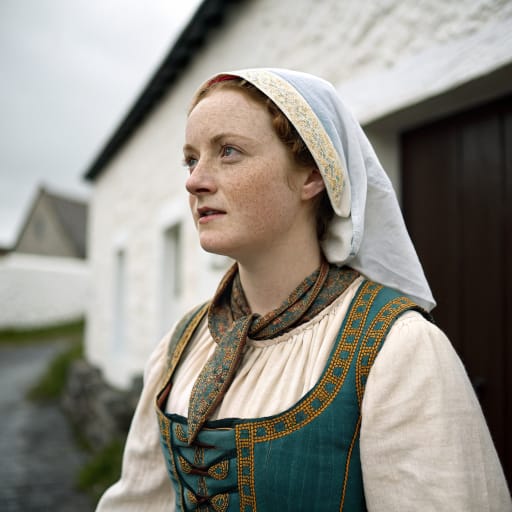
Irish
same region (Northern Europe)
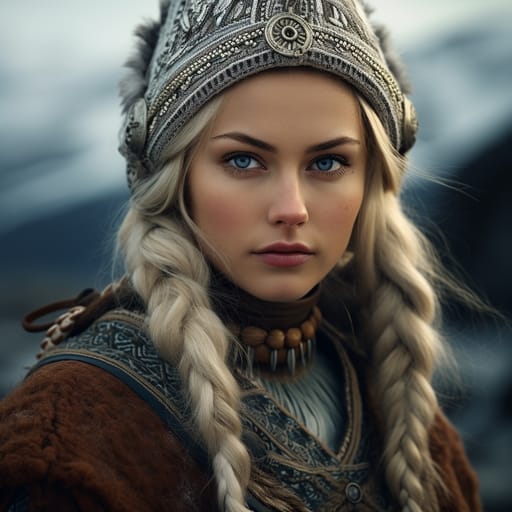
Icelanders
same region (Northern Europe)
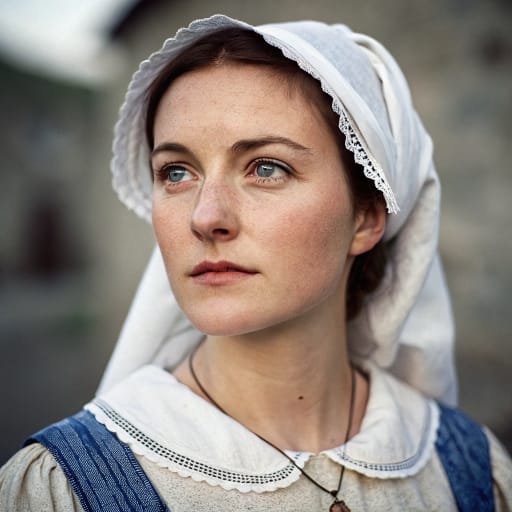
Welsh
same region (Northern Europe)
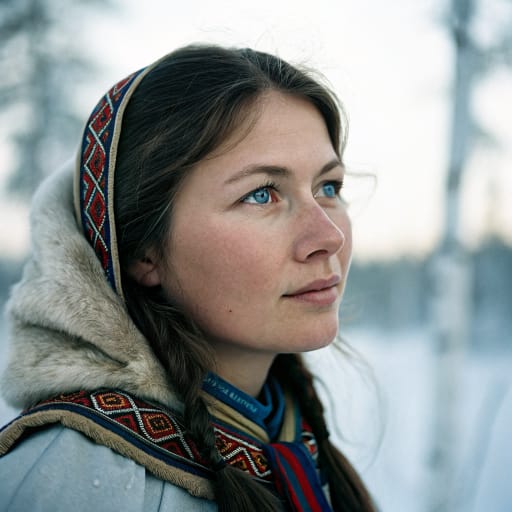
Sámi
same region (Northern Europe)
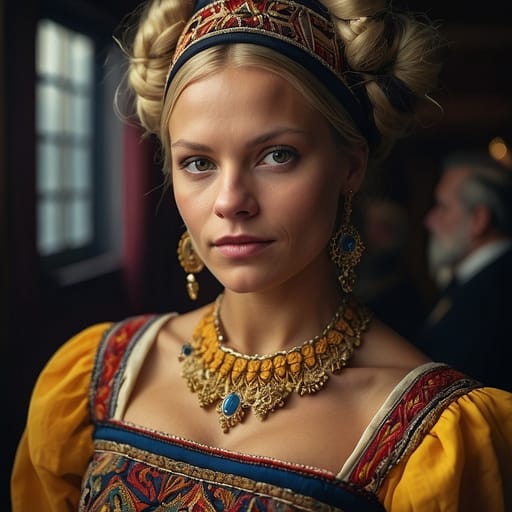
Sweden Immigrant European
same region (Northern Europe)
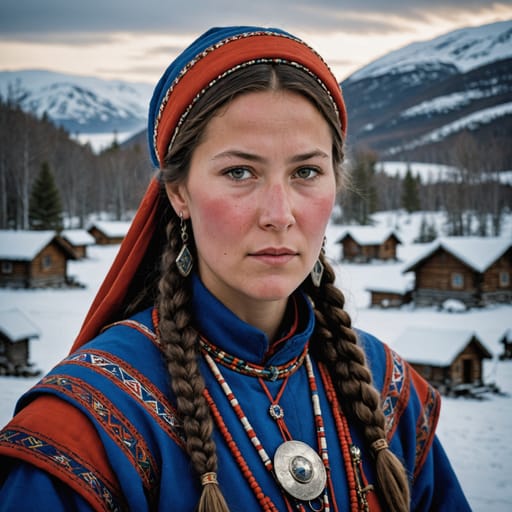
Sami Norway
same region (Northern Europe)
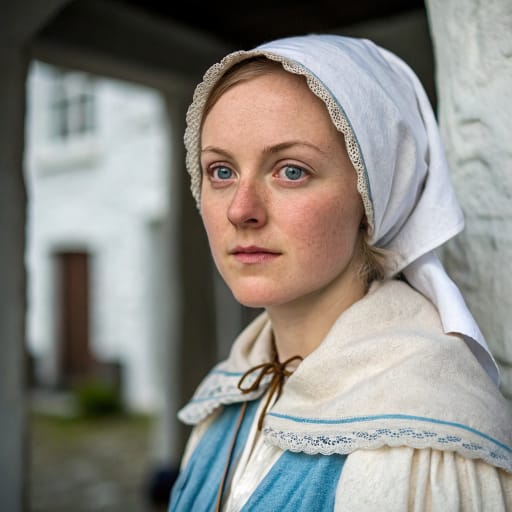
Cornish
same region (Northern Europe)
Norsemen
same region (Northern Europe)
Typical Romanichal Phenotypes
Reference for AI generation: hair, eyes, skin, facial structure, build
Explore phenotype categories
Structured taxonomy with peer-reviewed scales · 22 anatomical categories
Erotic Poses & Sex Positions
From the pose catalog: 219 named positions with reference skeletons
Frequently asked questions about Romanichal people
Where is the Romanichal homeland?
The Romanichal homeland is England, Wales and southern Scotland in the United Kingdom, with established communities in the United States, Canada, Australia, New Zealand and South Africa in Northern Europe.
What language do Romanichal people speak?
Romanichal people primarily speak English (Indo-European, Germanic) and Angloromani (mixed language: Indo-Aryan Romani vocabulary on English grammar).
What religion do Romanichal people practice?
The predominant religion among Romanichal people is Christian: historically Church of England, with a strong Pentecostal presence through the Light and Life Gypsy Church.






Make your own Romanichal images
Five a day, free, no credits to buy. The studio starts from this group's phenotype data, so you can set body type, pose and style and keep the traits accurate.
Start with Romanichal