No portrait yet
Norsemen Erotic
Scandinavia: modern Norway, Sweden and Denmark, with settlements in Iceland, the Faroes, Greenland, the British Isles, Normandy and along the river routes of Russia and Ukraine.
Old Norse (North Germanic, Indo-European), in Old West Norse and Old East Norse forms, written in Younger Futhark runes.
Norse paganism (Odin, Thor, Freyr, Freyja), converting to Christianity between the 10th and 12th centuries.
Danes, Swedes, Geats, Gotlanders, Norwegians and Icelanders; Varangians and Rus in the east, Normans in France; part of the North Germanic peoples.
About Norsemen People
The Norsemen were the Old Norse speaking people of Scandinavia from roughly the eighth to the eleventh century, known to history mostly through their raiders, the Vikings, and their descendants are today's Norwegians, Swedes, Danes, Icelanders and Faroese, along with a share of the English, Irish, Scots and Normans. What made them a people was not a state, since they had none worth the name until late, but a shared tongue, a shared set of gods, and above all the clinker-built ship. The longship, light enough to haul over a portage and shallow enough to run up a river, is why a farming and fishing people from the fjords and the Danish islands turned up at Lindisfarne in 793 and then at Paris, Seville, Constantinople and Newfoundland. Home was what is now Norway, Sweden and Denmark, thin coastal soils and inland clearings, and that geography pushed them outward. Old Norse sits in the North Germanic branch of Indo-European, split into a western form in Norway and Iceland and an eastern form in Denmark and Sweden, and was carved in the runic Younger Futhark, mostly on memorial stones. Modern Icelandic is close enough that Icelanders still read the medieval sagas in the original.
The Norse were never one nation: Danes, Swedes, Geats, Gotlanders and Norwegians were distinct, and the traders who rowed east up the Russian rivers, swapping furs and slaves for Abbasid silver and serving in the Byzantine emperor's guard, went by the separate names Varangians and Rus. Religion centered on Odin, Thor, Freyr and Freyja, with sacrifice at seasonal feasts and a hard conviction that fate was fixed and reputation was the one thing a person controlled. Conversion came piecemeal: Denmark under Harald Bluetooth around 965, Iceland by a decision of its assembly in the year 1000, Norway by force under two kings named Olaf, Sweden last. That Icelandic assembly, the Althing, founded in 930, is a reminder that the Norse were lawyers as much as warriors. Feuds were settled by compensation and arbitration at the thing, and a lawspeaker recited the code from memory. Less known: they bathed weekly, and Saturday in the Nordic languages is still, literally, washing day. Combs are among the most common objects in their graves. Women held property, could divorce, and were buried with keys as the badge of the household. Some men filed horizontal grooves into their front teeth, for reasons still unexplained. The Viking Age conventionally ends in 1066 with Harald Hardrada's death at Stamford Bridge, but the Norse world outlived it in Iceland's law and literature, in Normandy's dukes, and in everyday English words like sky, egg, knife and law.
Related ethnic groups
Groups that share Norsemen's homeland, region, language, or religious tradition. These are likely candidates for comparative phenotype reference.
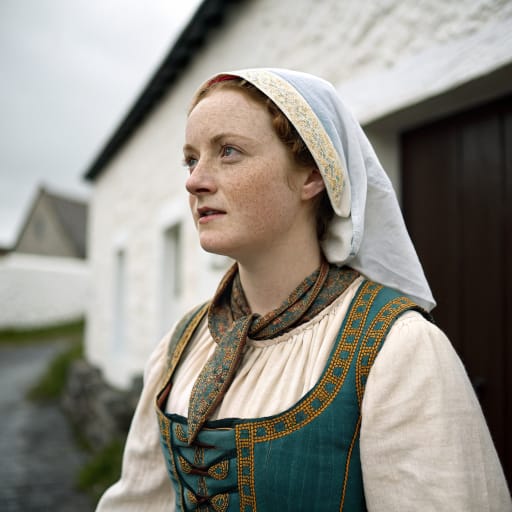
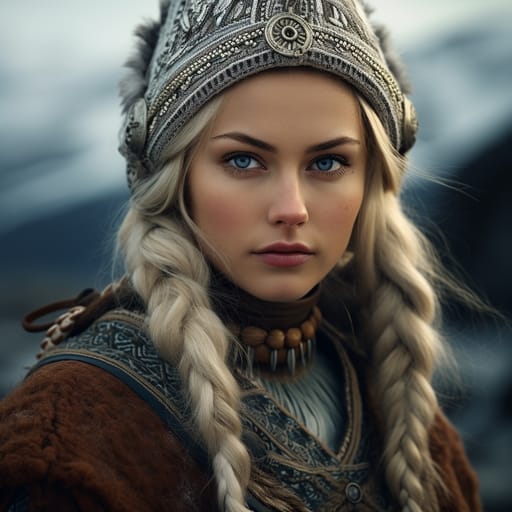
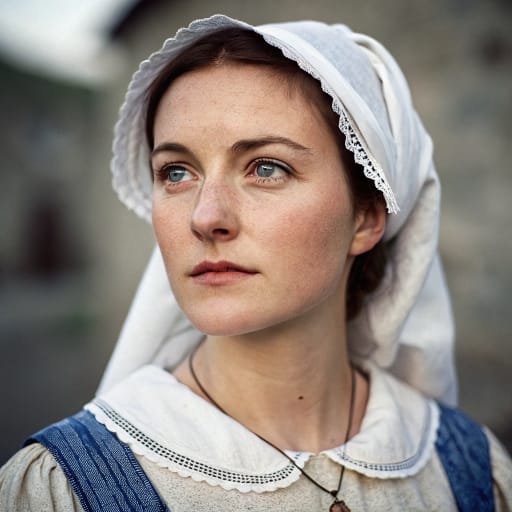
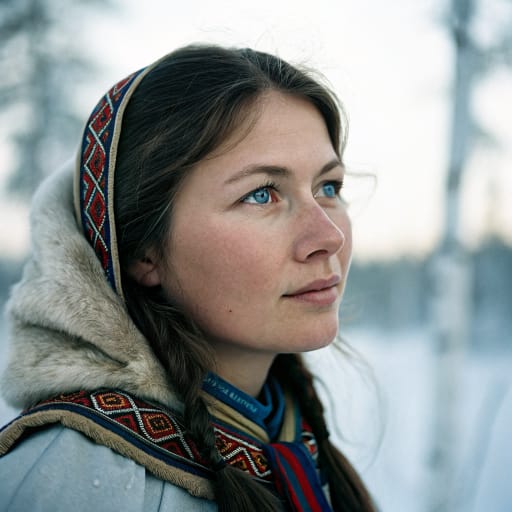
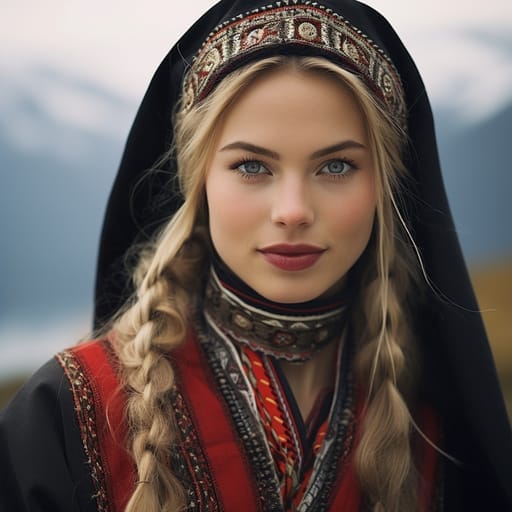
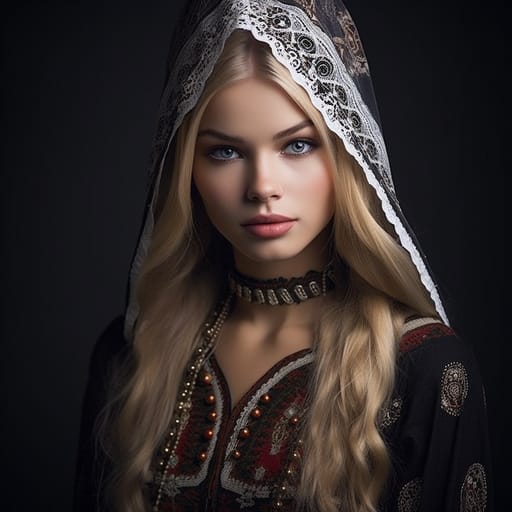
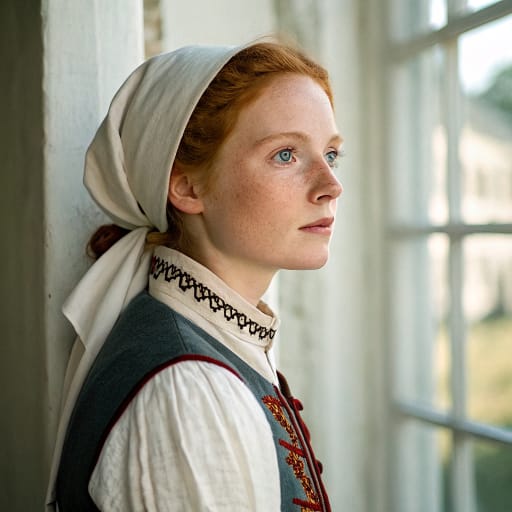
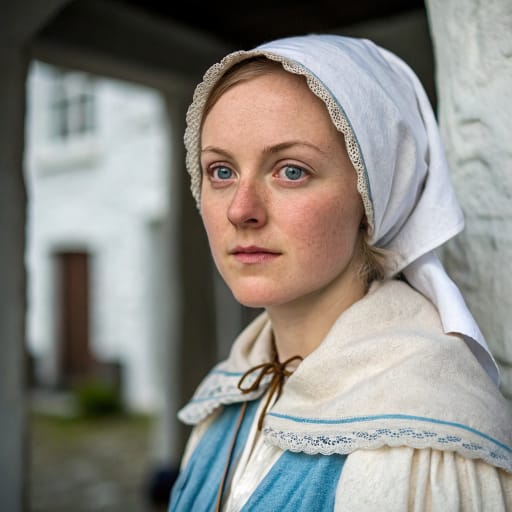
Typical Norsemen Phenotypes
Reference for AI generation: hair, eyes, skin, facial structure, build
Norsemen Body & Anatomy Reference
Anatomy by feature, Northern European / Germanic-Scandinavian phenotype
Norsemen Boobs & Breasts
Bust reference for Norsemen women: medium-to-large cup, full, high projection, which is typical of Northern European / Germanic-Scandinavian ancestry. Areolas measure about 32-48mm across, with light-pink to medium-pink pigmentation. Body type (mesomorph with taller stature; ectomorph-to-mesomorph split) shapes the bust as well, so Norsemen tits are usually full and projecting, often the largest cup-size band in regional comparisons. In AI imagery, keep the forward-set shape rather than drifting toward the smaller East Asian bust.
Norsemen Ass & Hips
The Norsemen ass is typically medium-to-full, moderate-to-high projection, which sets it apart from the slim East Asian narrow-hip profile. Underneath, the pelvis shows medium-to-wide iliac crests, part of the Northern European / Germanic-Scandinavian skeletal pattern. For Norsemen butt pics and AI renders, match that silhouette and the overall build (mesomorph with taller stature; ectomorph-to-mesomorph split).
Norsemen Vagina & Pussy
Norsemen pussy and vulvar anatomy presents light-pink to medium-pink labial pigmentation, varied labia minora projection, consistent with the Northern European / Germanic-Scandinavian phenotype's pigmentation pattern. Norsemen pubic hair is typically fine-to-medium wavy texture, often lighter-pigmented (blond to dark-brown), in the inverted-triangle pattern. For anatomically accurate Norsemen pussy renders the labial coloration should match the surrounding fair skin tone with a continuous gradient, and the hair should keep its fine-to-medium wavy texture.
Norsemen Dicks & Penis
Norsemen dicks follow the Northern European / Germanic-Scandinavian reference data: regional mean ~13-14cm erect; moderate-to-above-average girth; light-pink to light-brown shaft pigmentation. Shaft color should track the fair skin tone with a smooth change toward the glans, and Norsemen pubic hair keeps its fine-to-medium wavy texture.
Norsemen Body, Curves & Build
Norsemen body type and overall build presents as mesomorph with taller stature; ectomorph-to-mesomorph split, with mean adult female BMI 24-27: the characteristic Northern European / Germanic-Scandinavian habitus. Norsemen curves and proportions should keep the regional skeletal frame (height, shoulder-to-hip ratio, limb proportions) rather than a generic mesomorph default.
Norsemen Skin Tone & Hair Texture
Norsemen skin sits in the fair (Fitzpatrick I-III) band. Hair is typically straight-to-wavy 1A-2B, blond to medium-brown common, in keeping with the Northern European / Germanic-Scandinavian phenotype. In nude renders the skin should stay one even tone from face to body, and body, pubic and head hair should match.
Explore phenotype categories
Structured taxonomy with peer-reviewed scales · 22 anatomical categories
Erotic Poses & Sex Positions
From the pose catalog: 219 named positions with reference skeletons
Frequently asked questions about Norsemen people
Where is the Norsemen homeland?
The Norsemen homeland is Scandinavia: modern Norway, Sweden and Denmark, with settlements in Iceland, the Faroes, Greenland, the British Isles, Normandy and along the river routes of Russia and Ukraine. in Northern Europe.
What language do Norsemen people speak?
Norsemen people primarily speak Old Norse (North Germanic, Indo-European), in Old West Norse and Old East Norse forms, written in Younger Futhark runes..
What religion do Norsemen people practice?
The predominant religion among Norsemen people is Norse paganism (Odin, Thor, Freyr, Freyja), converting to Christianity between the 10th and 12th centuries..






Make your own Norsemen images
Five a day, free, no credits to buy. The studio starts from this group's phenotype data, so you can set body type, pose and style and keep the traits accurate.
Start with Norsemen