No portrait yet
Qaragozlu Erotic
Hamadan province in western Iran, mainly the rural districts around the city of Hamadan; families bearing the name are also found in Tehran and abroad
Azerbaijani, local Hamadan dialects (Turkic, Oghuz branch); Persian (Indo-European, Iranian) widely spoken as a second language
Twelver Shia Islam
A Turkic (Oghuz) tribe counted among the Azerbaijani-speaking Turks of Iran
About Qaragozlu People
The Qaragozlu are a Turkic tribe whose name means black-eyed in their own language. The name is spelled Karagözlü in Turkish, Garagözlü in Azerbaijani and, as a family name, often Gharagozlou. Their home is the farmland around Hamadan in western Iran, a high plateau of wheat fields and orchards with hard winters, where Turkic-speaking villages sit next to Persian and Kurdish ones. What makes them a group is not a border but a bloodline: a shared sense of descent, a tribal name that is also a family surname, and a history closely tied to the Qajar state.
Their speech belongs to the Oghuz branch of the Turkic family and is usually treated as a local form of Azerbaijani, the language of Iran's largest Turkic population farther north. In Hamadan province it lives alongside Persian and Kurdish, and speaking Persian as well has long been normal. Like most of Iran's Turkic peoples, the Qaragozlu are Twelver Shia Muslims, and their religious life follows the pattern found across the country: Friday prayers, the mourning gatherings of Muharram, vows made at neighborhood shrines, and trips to Mashhad and Qom when a family can afford them.
The Qaragozlu matter more to Iranian history than their numbers would suggest. Under the Qajar dynasty, which ruled from the late eighteenth century to 1925, the tribe's khans were among the leading landowning families of western Iran, and a force in the affairs of Hamadan. Their best-known member, Abolqasem Khan Naser al-Molk, studied at Oxford and served as regent for the young Ahmad Shah from 1910 to 1914. Those were unstable years after the Constitutional Revolution, with foreign pressure on the country and a parliament still finding its footing. He was a cautious, Western-educated statesman in a court that had few of them.
The twentieth century took the old tribal order apart. The Pahlavi state's campaign against tribal power, and then the land reform of the 1960s, cost the khans the estates and armed followers that had made them important. Most Qaragozlu today are settled farmers, townspeople and city dwellers. Their tribal identity survives in family trees, in a well-known surname and in the Turkic still spoken at home, not in any political structure. The name now turns up as often in Tehran offices and among Iranians abroad as in the villages it came from.
Related ethnic groups
Groups that share Qaragozlu's homeland, region, language, or religious tradition. These are likely candidates for comparative phenotype reference.
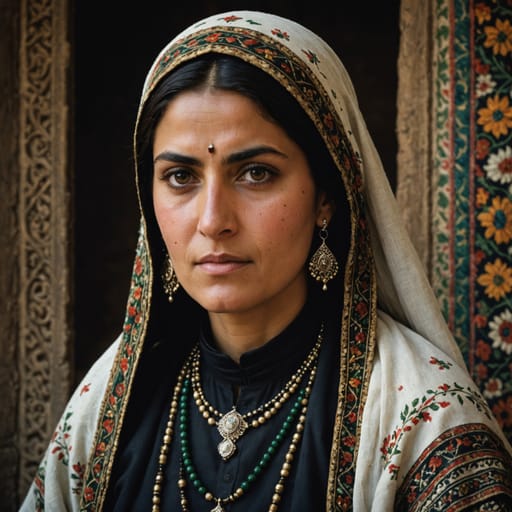
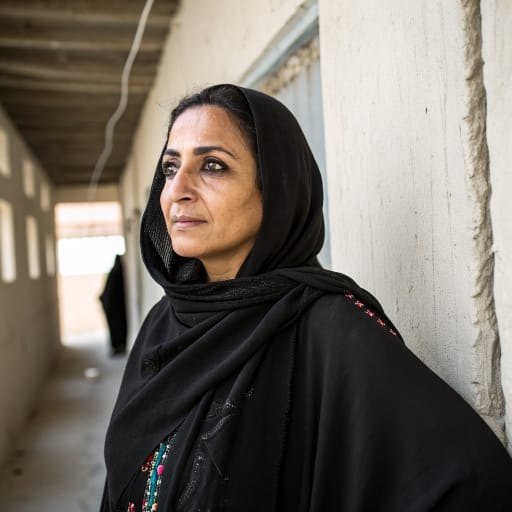
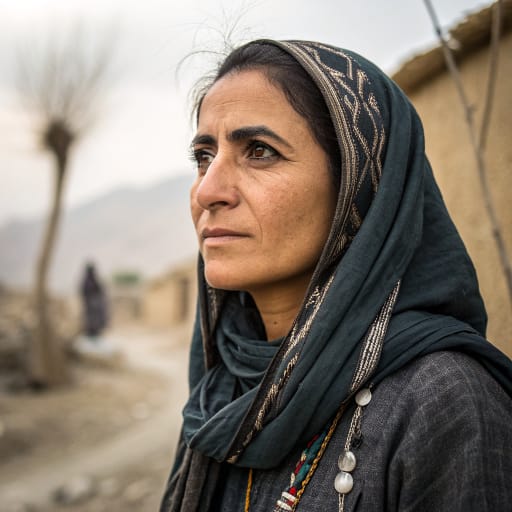
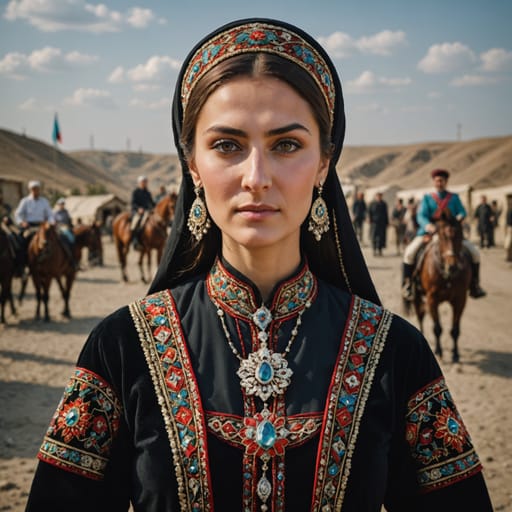
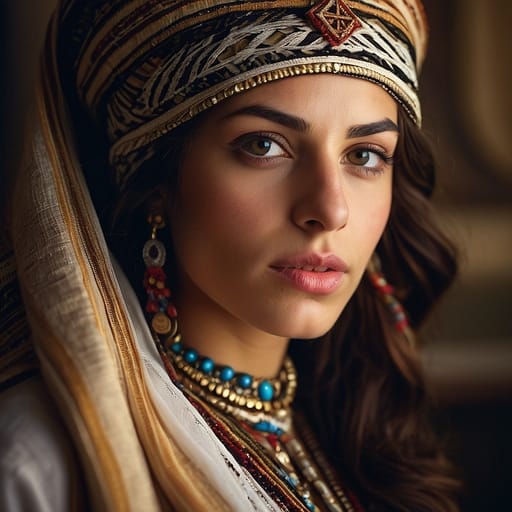
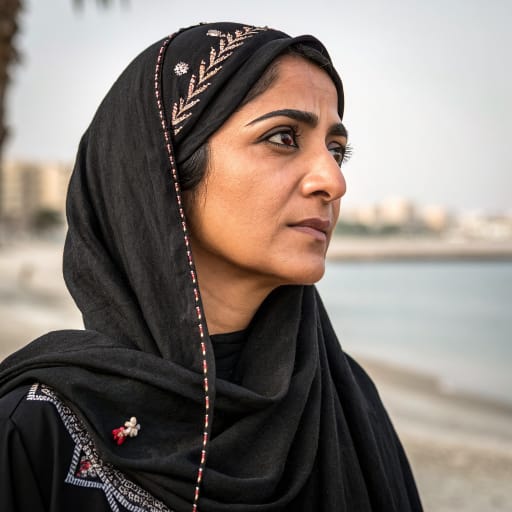
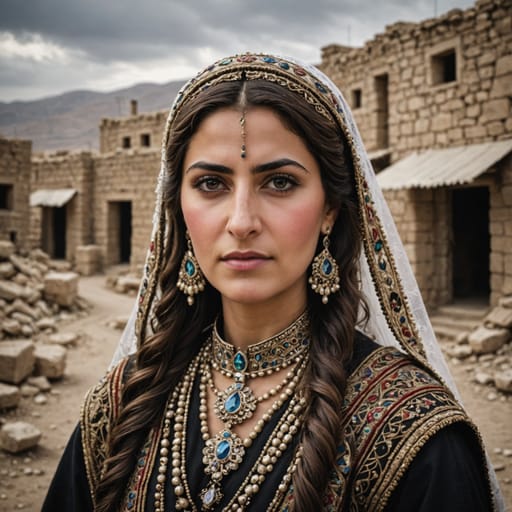
Typical Qaragozlu Phenotypes
Reference for AI generation: hair, eyes, skin, facial structure, build
Explore phenotype categories
Structured taxonomy with peer-reviewed scales · 22 anatomical categories
Erotic Poses & Sex Positions
From the pose catalog: 219 named positions with reference skeletons
Frequently asked questions about Qaragozlu people
Where is the Qaragozlu homeland?
The Qaragozlu homeland is Hamadan province in western Iran, mainly the rural districts around the city of Hamadan; families bearing the name are also found in Tehran and abroad in Western Asia.
What language do Qaragozlu people speak?
Qaragozlu people primarily speak Azerbaijani, local Hamadan dialects (Turkic, Oghuz branch); Persian (Indo-European, Iranian) widely spoken as a second language.
What religion do Qaragozlu people practice?
The predominant religion among Qaragozlu people is Twelver Shia Islam.






Make your own Qaragozlu images
Five a day, free, no credits to buy. The studio starts from this group's phenotype data, so you can set body type, pose and style and keep the traits accurate.
Start with Qaragozlu