No portrait yet
Sistanis Erotic
Sistan, the Helmand delta and Hamun basin around Zabol in Sistan and Baluchestan province, southeastern Iran; historic Sistan reaches into Nimruz province, Afghanistan; large migrant communities in Golestan province and other Iranian cities
Sistani dialect of Persian (Indo-European, Iranian, Southwestern Iranian), alongside standard Persian; Balochi is the main neighboring language
Twelver Shia Islam
Branch of the Persians; local identities by district (Zaboli, Zahaki, Hirmandi); sizable Golestan migrant community
About Sistanis People
Ask a Sistani what sets them apart and the answer has three parts: Persian-speaking, Shia, and from the flat, windblown basin where the Helmand River spreads into the Hamun lakes at the far southeastern edge of Iran. Each of those distinguishes them from the Sunni, Balochi-speaking majority of the province they share, Sistan and Baluchestan, and that contrast is the spine of Sistani identity. Outnumbered in the province as a whole, they dominate its northern strip around Zabol, Zahak and Hirmand, and "Zaboli" is often used as a shorthand for the whole group. The medieval name for them, Sagzi, descends from the Saka, the steppe nomads who gave Sakastan, later Sistan, its name more than two thousand years ago.
Their dialect is Persian, but eastern Persian, closer in some habits to the Dari of Afghanistan and old Khorasani speech than to the Tehran standard, with vocabulary a Tehrani would have to ask about. The land shaped everything else. Sistan is a delta in a desert. For centuries it fed itself on Hamun fish, waterfowl and reed-cutting, on wheat and melon fields watered by the Helmand, and on grain ground in asbad, vertical-axis windmills that rank among the oldest anywhere, built to catch the "wind of 120 days" that scours the plain from late spring into September. Reed boats and reed huts on the lake margins were ordinary life within living memory. Most of that world is gone. Upstream dams in Afghanistan and a run of hard droughts since the late 1990s have dried the Hamun repeatedly, turning the lakebed into a dust source and pushing tens of thousands of Sistanis toward Zahedan, Mashhad and Tehran, and above all to the Gorgan plain in Golestan province, where a Sistani community has been growing for most of the last century.
Sistan carries weight in Persian memory out of proportion to its size. Rostam, the hero of the Shahnameh, comes from here, and Zoroastrian tradition holds that the final savior will rise from Lake Hamun. Kuh-e Khwaja, the dark basalt hill standing in the lakebed, carries ruins and shrines going back to the Parthians. In the ninth century Ya'qub the Coppersmith rode out of Sistan to found the Saffarids, usually credited as the first Muslim dynasty in Iran to put Persian rather than Arabic at court. Shahr-e Sukhteh, the Bronze Age "Burnt City" outside Zabol, is older than all of it by millennia. Sistanis know this history and lean on it. For a small, hard-pressed community it is a way of insisting on being taken seriously.
Related ethnic groups
Groups that share Sistanis's homeland, region, language, or religious tradition. These are likely candidates for comparative phenotype reference.
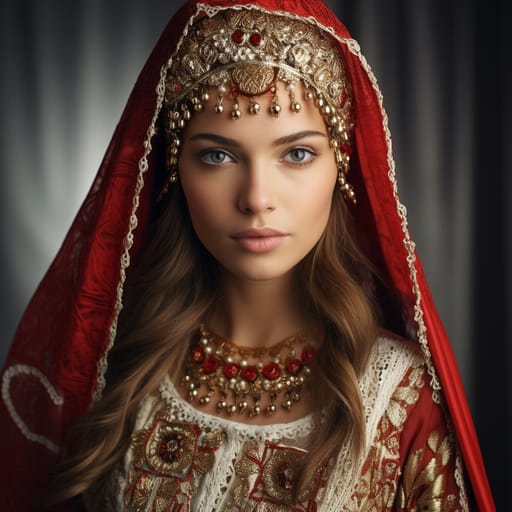
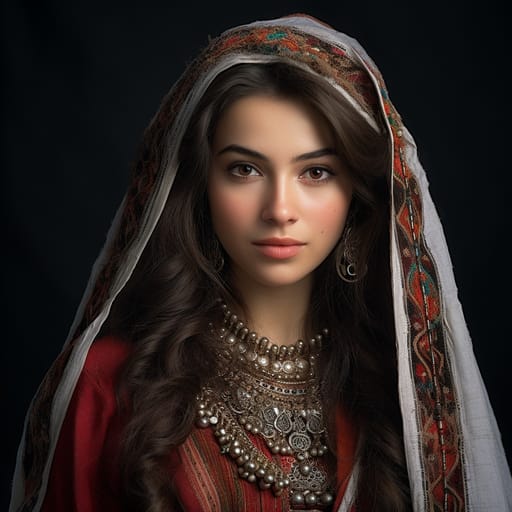
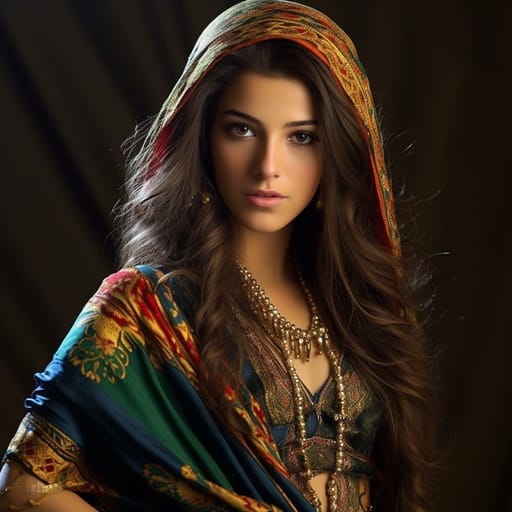
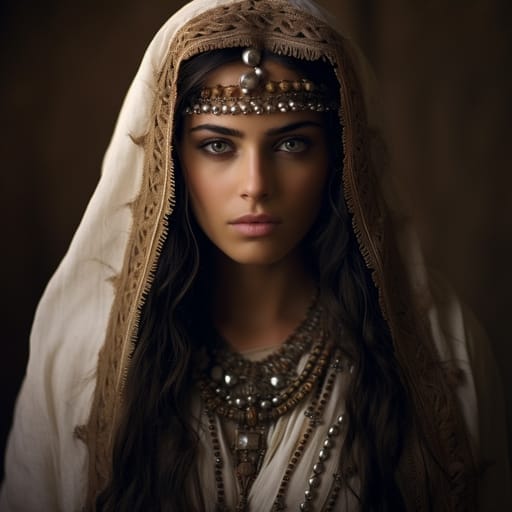
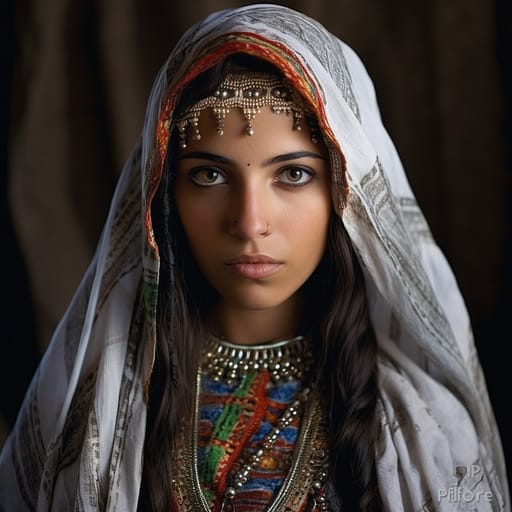
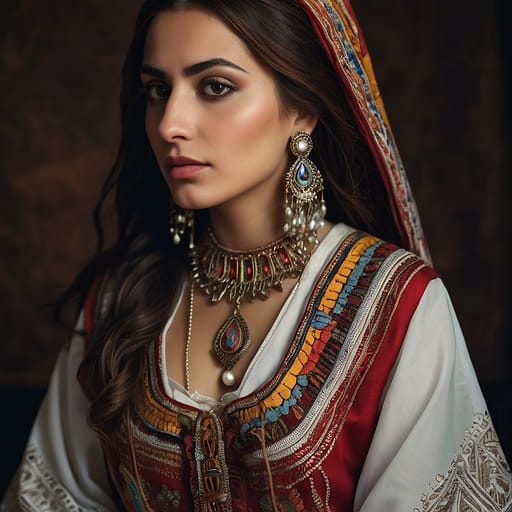
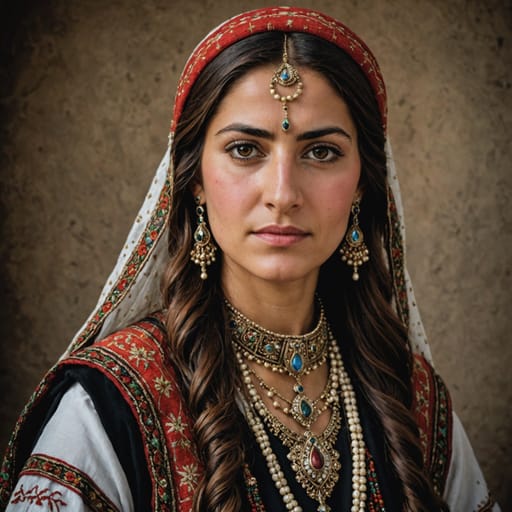
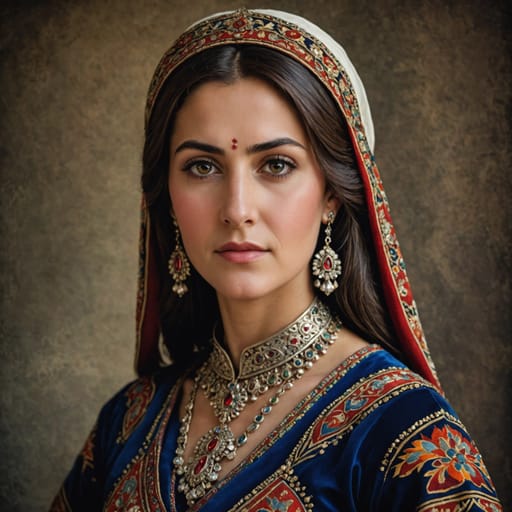
Typical Sistanis Phenotypes
Reference for AI generation: hair, eyes, skin, facial structure, build
Explore phenotype categories
Structured taxonomy with peer-reviewed scales · 22 anatomical categories
Erotic Poses & Sex Positions
From the pose catalog: 219 named positions with reference skeletons
Frequently asked questions about Sistanis people
Where is the Sistanis homeland?
The Sistanis homeland is Sistan, the Helmand delta and Hamun basin around Zabol in Sistan and Baluchestan province, southeastern Iran; historic Sistan reaches into Nimruz province, Afghanistan; large migrant communities in Golestan province and other Iranian cities in Western Asia.
What language do Sistanis people speak?
Sistanis people primarily speak Sistani dialect of Persian (Indo-European, Iranian, Southwestern Iranian), alongside standard Persian; Balochi is the main neighboring language.
What religion do Sistanis people practice?
The predominant religion among Sistanis people is Twelver Shia Islam.






Make your own Sistanis images
Five a day, free, no credits to buy. The studio starts from this group's phenotype data, so you can set body type, pose and style and keep the traits accurate.
Start with Sistanis