Help us get this right
Does this portrait look right for Achomi?
Nobody has judged this one yet. You would be the first.
Achomi Erotic
Larestan region of southern Iran (southern Fars, western Hormozgan and eastern Bushehr provinces), with large communities in the UAE, Kuwait, Bahrain and Qatar
Achomi, also called Larestani or Lari (Southwestern Iranian, Indo-European), spoken in several town dialects; Persian and Arabic as second languages
Predominantly Sunni Islam of the Shafi'i school, with a Shia minority centered on Lar
Iranic peoples; dialect and town groups include Lari, Evazi, Khonji, Gerashi and Bastaki; the Gulf diaspora is often counted among the Huwala or Ajam
About Achomi People
The Achomi call themselves Khodmooni, roughly “our own kind,” and the name fits: a tight, self-recognizing people spread between the dry hill country of southern Iran and the merchant cities of the Arab Gulf. Outsiders know them as Laris or Larestanis, after Lar, the old market town at the center of their homeland. That homeland, historically called Irahistan, runs across southern Fars into western Hormozgan and eastern Bushehr, a belt of hot plains and low ranges between the Zagros and the coast, with towns like Evaz, Khonj, Gerash, Bastak and Lamerd strung across it. Water shaped everything here. The region is known for its domed stone cisterns, the berkeh, which catch winter rain and stand over the flats like small shrines.
Two things set the Achomi apart from the Persian mainstream. The first is language. Achomi is a Southwestern Iranian language, kin to Persian but not intelligible with it, and it keeps grammar Persian shed long ago, including a past tense that marks the agent the way Middle Persian did. It splits into at least eight town dialects, Lari, Evazi, Khonji, Gerashi and Bastaki among them, and speakers can usually place one another by ear. The second is religion. Most Achomi are Sunni Muslims of the Shafi'i school in a country that is overwhelmingly Shia, and Sunni learning has deep roots in Khonj in particular. A Shia minority exists, concentrated in Lar itself. In practice, being Sunni has pulled the Achomi outward toward coreligionists across the water as much as it has marked them off at home.
That pull is old. Lar sat on the caravan road from Shiraz to the Gulf ports, and in the sixteenth and seventeenth centuries its hook-shaped silver coins, the larin, passed hands from Arabia to Ceylon and the Maldives. A local dynasty ruled Larestan until the Safavids took it in the early 1600s. From the late nineteenth century, families from Bastak, Evaz, Khonj and the port of Bandar Lengeh crossed to the Arab shore in numbers, trading, pearling and later running shops and customs houses in Dubai, Kuwait, Bahrain and Qatar. Dubai's historic Bastakiya quarter, with its wind towers, is named for them. Many Achomi now hold Gulf citizenship and get lumped in with the Huwala or Ajam, yet the ties home stay live: remittances have built schools, clinics and mosques in Evaz and its neighbors, and marriages still run across the border. One taste binds both shores. Mahyawa, a pungent fermented fish sauce spread on flatbread, traveled with the Achomi and is now a Gulf staple.
Related ethnic groups
Groups that share Achomi's homeland, region, language, or religious tradition. These are likely candidates for comparative phenotype reference.
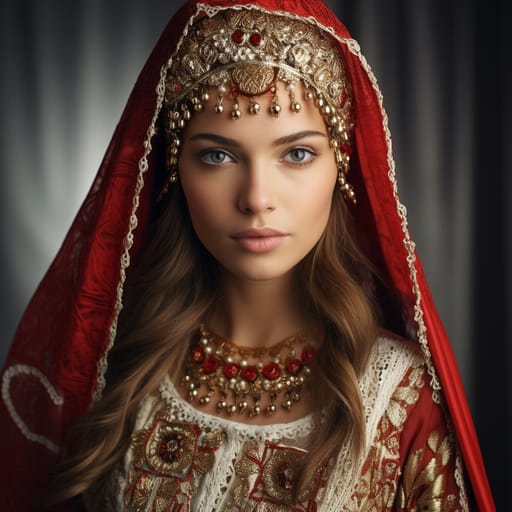
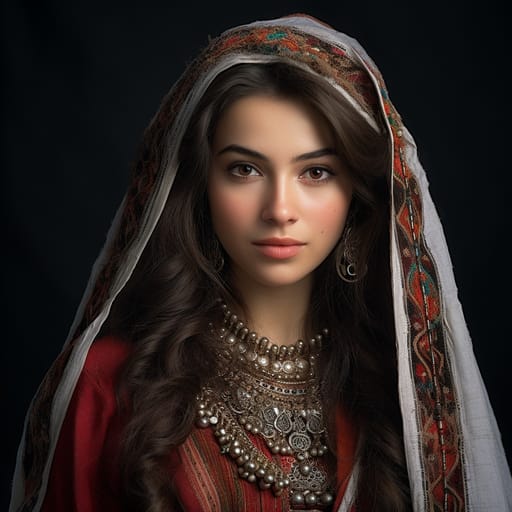
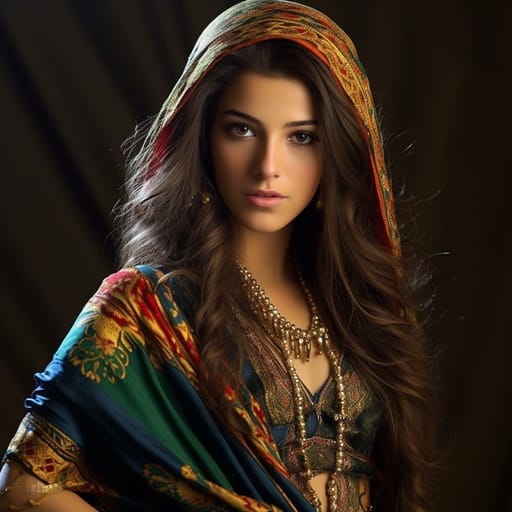
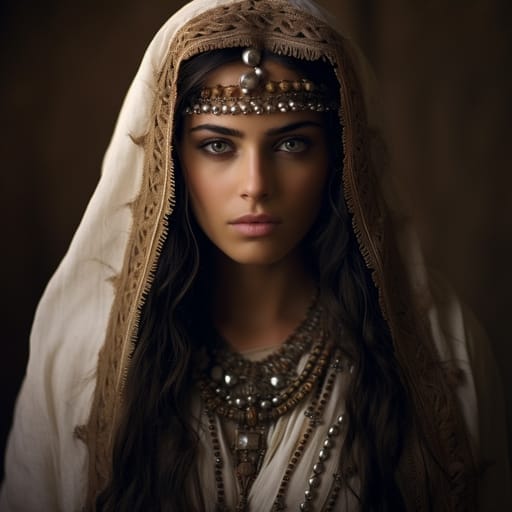
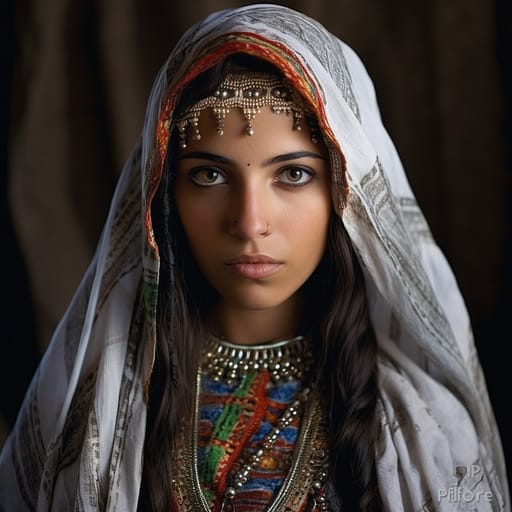
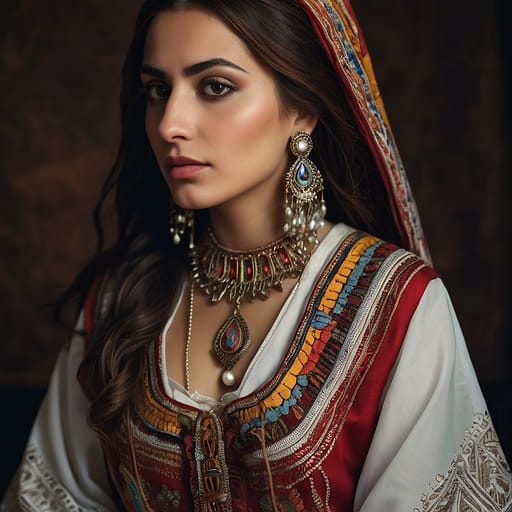
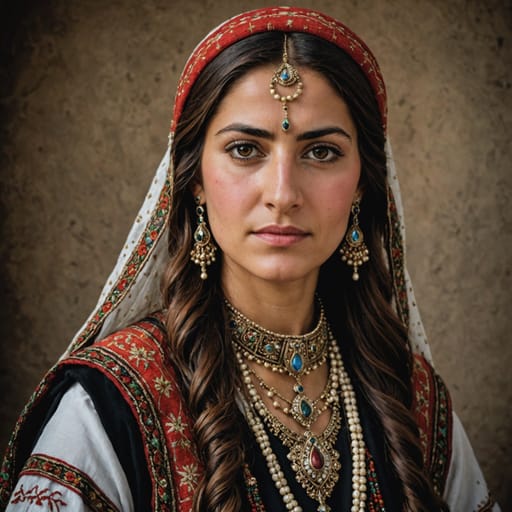
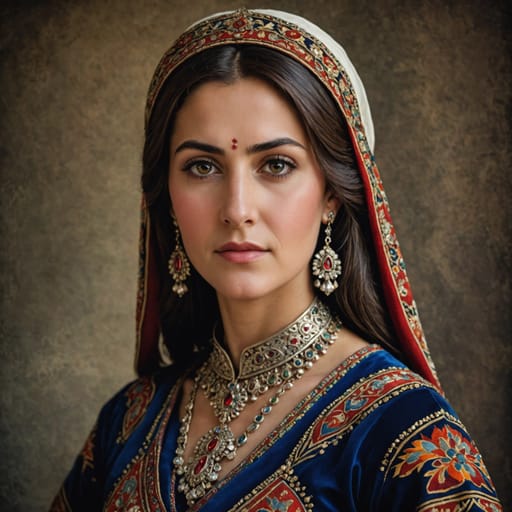
Typical Achomi Phenotypes
Reference for AI generation: hair, eyes, skin, facial structure, build
Explore phenotype categories
Structured taxonomy with peer-reviewed scales · 22 anatomical categories
Erotic Poses & Sex Positions
From the pose catalog: 219 named positions with reference skeletons
Frequently asked questions about Achomi people
Where is the Achomi homeland?
The Achomi homeland is Larestan region of southern Iran (southern Fars, western Hormozgan and eastern Bushehr provinces), with large communities in the UAE, Kuwait, Bahrain and Qatar in Western Asia.
What language do Achomi people speak?
Achomi people primarily speak Achomi, also called Larestani or Lari (Southwestern Iranian, Indo-European), spoken in several town dialects; Persian and Arabic as second languages.
What religion do Achomi people practice?
The predominant religion among Achomi people is Predominantly Sunni Islam of the Shafi'i school, with a Shia minority centered on Lar.






Make your own Achomi images
Five a day, free, no credits to buy. The studio starts from this group's phenotype data, so you can set body type, pose and style and keep the traits accurate.
Start with Achomi