Help us get this right
Does this portrait look right for Afro-Turks?
Nobody has judged this one yet. You would be the first.
Afro-Turks Erotic
Aegean Turkey, especially the provinces of Izmir, Aydın and Muğla, with smaller communities in Antalya and Istanbul; ancestral roots in Sudan, Ethiopia, Kenya and the Sahel.
Turkish (Turkic)
Sunni Islam
Part of the African diaspora of the former Ottoman world; includes long-settled Aegean village families and descendants of Afro-Cretan Muslims resettled in the 1920s population exchange.
About Afro-Turks People
Afro-Turks are Turkish citizens whose ancestors were brought into the Ottoman Empire from Africa, most of them as enslaved people. They don't stand apart by language or faith. They speak Turkish and pray in the same mosques as their neighbors. What makes them a group is shared ancestry, family memory and a visible difference that Turkish society has only recently started to name. For generations many were simply called Arap in everyday speech, a label that said more about the people using it than about anyone's actual origins.
Their ancestors came by several routes: across the Sahara to the ports of Libya, down the Nile from Sudan, and through the Red Sea and Indian Ocean from Ethiopia and the East African coast. They worked as household servants in Istanbul and Izmir and as laborers on the farms and estates of western Anatolia. The Ottoman state began restricting the African slave trade in the 1850s, but the trade went on for decades. Freed families settled in the villages and small towns of the Aegean, especially around Izmir, Aydın and Muğla, and smaller communities formed in Antalya and Istanbul. More arrived in the 1920s, when Muslims of African descent living on Crete were resettled in Turkey during the Greek and Turkish population exchange.
Most Afro-Turks are Sunni Muslims, and religion shapes their daily life much as it does for other Aegean families: holidays, weddings, funerals, the village mosque. The community's own custom was the Calf Festival, Dana Bayramı, a spring gathering in Izmir. A decorated calf was led through the streets and then sacrificed, with music and dancing around it. The festival faded during the twentieth century. It was revived in the 2000s by the African Culture and Solidarity Association, founded by the writer Mustafa Olpak. His book tracing his own family from Kenya to Crete to Istanbul helped bring this history to a wider public.
Generations of intermarriage mean many Afro-Turks are not immediately recognizable as such, and some families lost track of their African roots entirely. These long-settled Aegean families are also distinct from the newer African migrants who have come to Istanbul since the 1990s. One figure the community points to is Ahmet Ali Çelikten, an Izmir-born Ottoman officer of African descent who became one of the world's first Black military pilots. Afro-Turks today are claiming a place inside the national story, not at its edges.
Related ethnic groups
Groups that share Afro-Turks's homeland, region, language, or religious tradition. These are likely candidates for comparative phenotype reference.
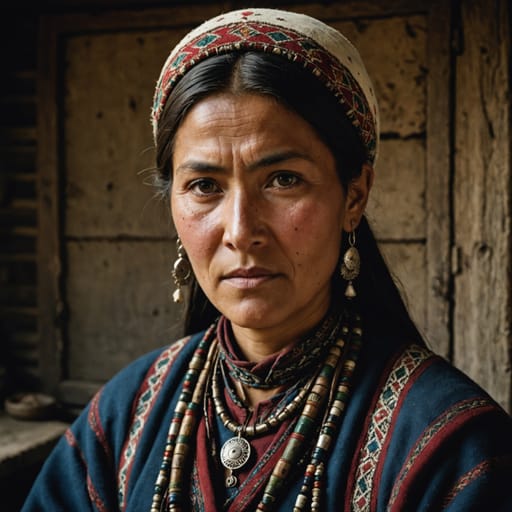
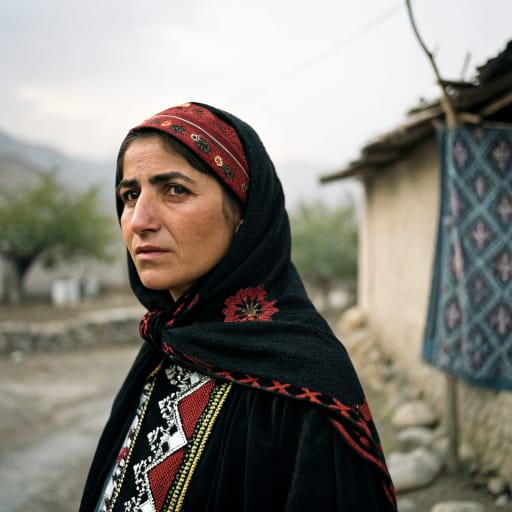
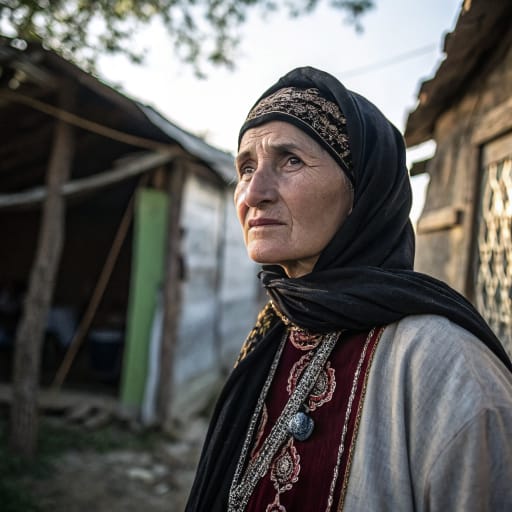
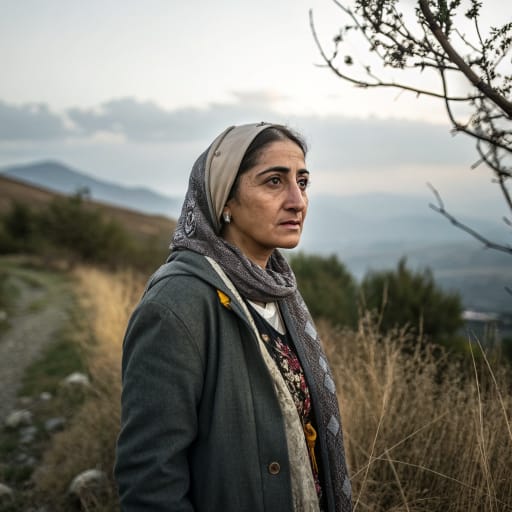
Typical Afro-Turks Phenotypes
Reference for AI generation: hair, eyes, skin, facial structure, build
Explore phenotype categories
Structured taxonomy with peer-reviewed scales · 22 anatomical categories
Erotic Poses & Sex Positions
From the pose catalog: 219 named positions with reference skeletons
Frequently asked questions about Afro-Turks people
Where is the Afro-Turks homeland?
The Afro-Turks homeland is Aegean Turkey, especially the provinces of Izmir, Aydın and Muğla, with smaller communities in Antalya and Istanbul; ancestral roots in Sudan, Ethiopia, Kenya and the Sahel. in Western Asia.
What language do Afro-Turks people speak?
Afro-Turks people primarily speak Turkish (Turkic).
What religion do Afro-Turks people practice?
The predominant religion among Afro-Turks people is Sunni Islam.






Make your own Afro-Turks images
Five a day, free, no credits to buy. The studio starts from this group's phenotype data, so you can set body type, pose and style and keep the traits accurate.
Start with Afro-Turks