No portrait yet
Ngurimi Erotic
Serengeti District, Mara Region, northern Tanzania, on the western side of the Serengeti ecosystem east of Lake Victoria
Ngurimi, also called Ngoreme (Bantu, Great Lakes group, close to Kuria and Zanaki); Swahili widely spoken as a second language (Bantu)
Christianity, Catholic and Protestant, alongside traditional clan and ancestral beliefs
Part of the Mara Region Bantu cluster with the Kuria, Ikoma, Nata, Isenye and Zanaki; organized internally into clans
About Ngurimi People
The Ngurimi, also widely known as the Ngoreme, are a farming and herding people of northern Tanzania. Their home ground runs along the western edge of the Serengeti, between the shores of Lake Victoria and the open plains. What holds them together as a people is a shared language, a set of named clans, and a long attachment to particular hills, valleys and old settlement sites in what is now Serengeti District. They have never lived in isolation. The Ikoma, Nata, Isenye, Kuria and Zanaki all live nearby and speak related languages, and for generations people moved among these communities through marriage, trade, alliance and migration. Being Ngurimi has meant keeping a distinct name within a closely connected set of neighbors, not standing apart from them.
Their language, also called Ngurimi or Ngoreme, is one of the Great Lakes Bantu languages and sits in the same close cluster as Kuria and Zanaki. Almost everyone also speaks Swahili, the language of school, market, church and government. Rural households grow maize, sorghum, millet and cassava and keep cattle, goats and sheep. Cattle matter for more than food: they have long been part of bridewealth and of how a family's standing is judged.
Christianity is widespread, with Catholic and Protestant congregations that took root in the Mara Region during and after the colonial period. It has not simply replaced older practice. Clan membership and respect for ancestors still carry weight in family life, and the passage into adulthood is still treated as a serious community matter. Across the Mara Region those initiation rites have long included circumcision. The cutting of girls is outlawed in Tanzania, and it remains an open conflict between families who hold to the custom and local activists working to end it.
A few hard shocks shaped history in this corner of Tanzania. Cattle plague and famine in the 1890s devastated the peoples of the western Serengeti. German and then British colonial rulers imposed appointed chiefs on communities that had been run by elders and clans. In the 1970s, the government's villagization campaigns moved many rural Tanzanians into planned settlements. Conservation has had the longest effect. Serengeti National Park and the game reserves along its western side turned former hunting and grazing land into protected territory. Access to land, wildlife raiding crops and the placement of park boundaries are still part of everyday life for communities in the district.
Related ethnic groups
Groups that share Ngurimi's homeland, region, language, or religious tradition. These are likely candidates for comparative phenotype reference.
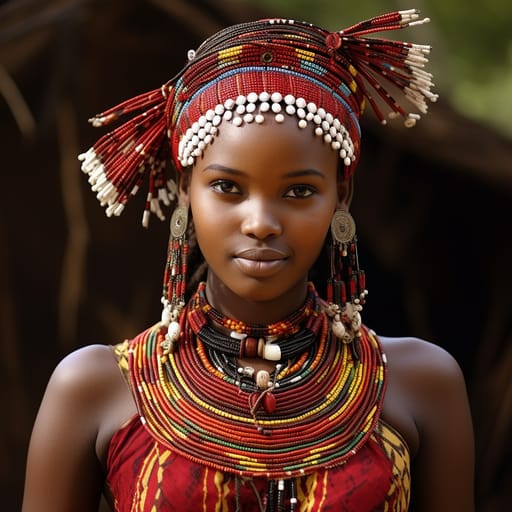
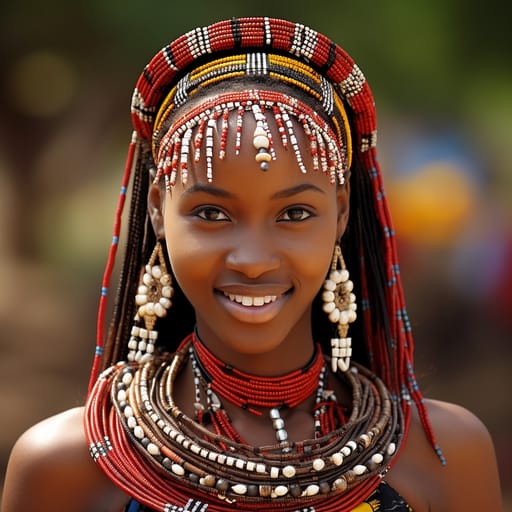
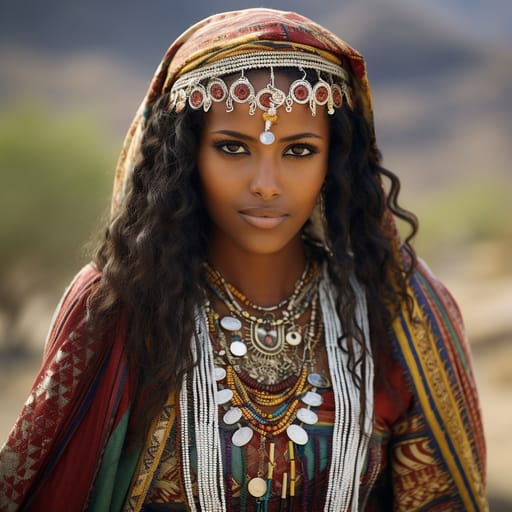
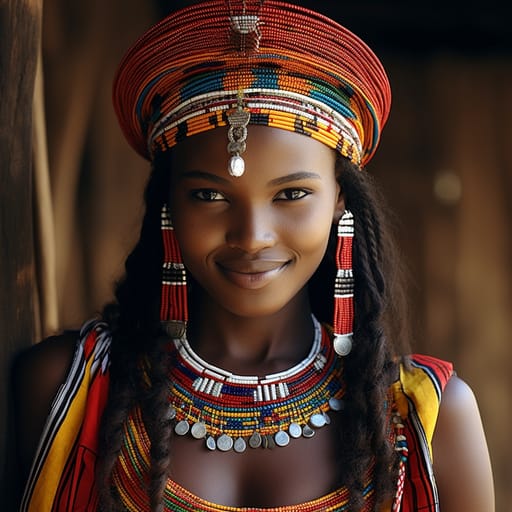
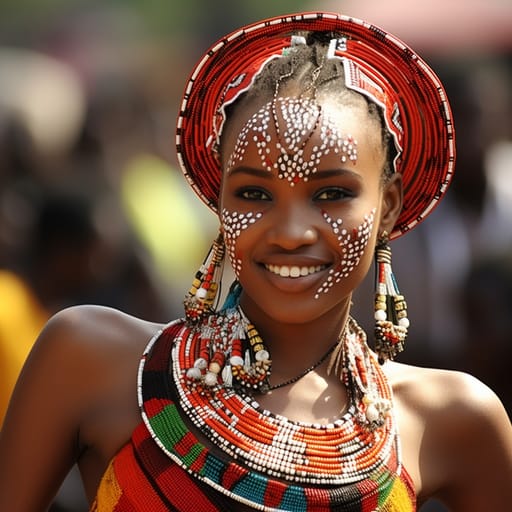
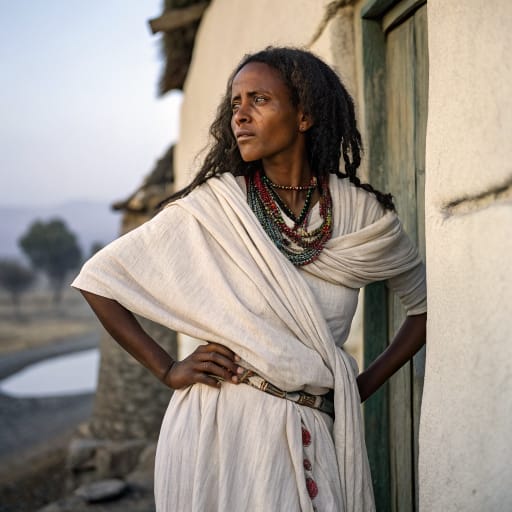
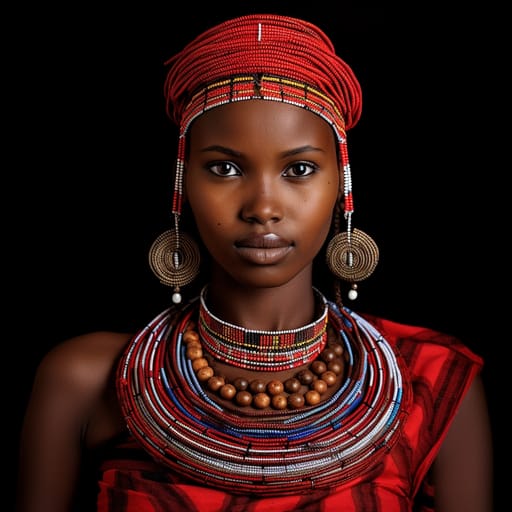
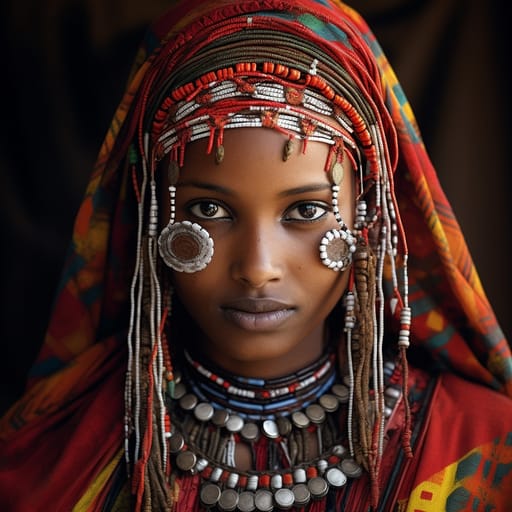
Typical Ngurimi Phenotypes
Reference for AI generation: hair, eyes, skin, facial structure, build
Explore phenotype categories
Structured taxonomy with peer-reviewed scales · 22 anatomical categories
Erotic Poses & Sex Positions
From the pose catalog: 219 named positions with reference skeletons
Frequently asked questions about Ngurimi people
Where is the Ngurimi homeland?
The Ngurimi homeland is Serengeti District, Mara Region, northern Tanzania, on the western side of the Serengeti ecosystem east of Lake Victoria in Eastern Africa.
What language do Ngurimi people speak?
Ngurimi people primarily speak Ngurimi, also called Ngoreme (Bantu, Great Lakes group, close to Kuria and Zanaki); Swahili widely spoken as a second language (Bantu).
What religion do Ngurimi people practice?
The predominant religion among Ngurimi people is Christianity, Catholic and Protestant, alongside traditional clan and ancestral beliefs.






Make your own Ngurimi images
Five a day, free, no credits to buy. The studio starts from this group's phenotype data, so you can set body type, pose and style and keep the traits accurate.
Start with Ngurimi