No portrait yet
Ngindo Erotic
Southeastern Tanzania, centered on Liwale District in Lindi Region, in the woodland between the Rufiji and Ruvuma rivers
Kingindo (Bantu, Niger-Congo), with Swahili widely spoken
Predominantly Muslim, with older beliefs about ancestors, healing and witchcraft still present
Bantu people of southeastern Tanzania, closely related to the Matumbi, Ndengereko and Rufiji (Guthrie zone P10)
About Ngindo People
The Ngindo live in the dry miombo woodland of southeastern Tanzania, between the Rufiji and Ruvuma rivers. Most outsiders know that country only as a place to see game. The Ngindo see themselves as the people of that bush, and also as the people who were moved off much of it. Today Ngindo life centers on Liwale District in Lindi Region. It is a remote area of villages, cashew and sesame plots, and forest that runs north toward the old Selous Game Reserve, now largely Nyerere National Park.
Their language, Kingindo, is a Bantu language close to Matumbi, Ndengereko and Rufiji, which are spoken by their neighbors to the north and toward the coast. Linguists put all four in one cluster. Swahili is spoken beside Kingindo almost everywhere. Most Ngindo are Muslim, a faith that spread inland from the Swahili coast. Islam sets the rhythm of the week and the fasting month, and it shapes how children are named. Older ideas about ancestors, healing and witchcraft have not gone away. They mostly live alongside the mosque rather than against it.
Two events shaped modern Ngindo history. In 1905 their land became one of the heartlands of the Maji Maji rebellion against German rule. The Germans answered by burning villages, crops and granaries, and the famine that followed killed or scattered many people. Then in the 1940s, British officials fighting sleeping sickness moved Ngindo families out of the tsetse fly belt and into concentrated settlements. Much of the land they left was added to the Selous. Hunting there had been an ordinary way to feed a household, and now it was called poaching.
That hunting mattered. The Ngindo were known as hunters and beekeepers who took meat, honey and wax from the woodland. They also knew which wild roots and leaves could carry a family through a failed harvest. Boys went through initiation, including circumcision, to mark their move into adult life, a practice the Ngindo share with other peoples of the southeast. Much of this practical knowledge still circulates in the villages, even though the legal right to use the forest has shrunk sharply since the reserve boundaries were drawn.
Related ethnic groups
Groups that share Ngindo's homeland, region, language, or religious tradition. These are likely candidates for comparative phenotype reference.
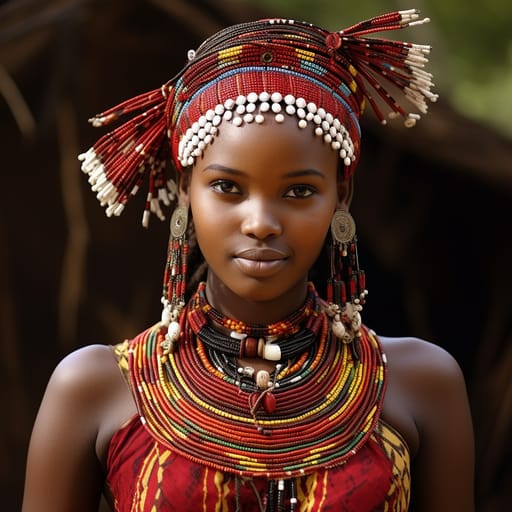
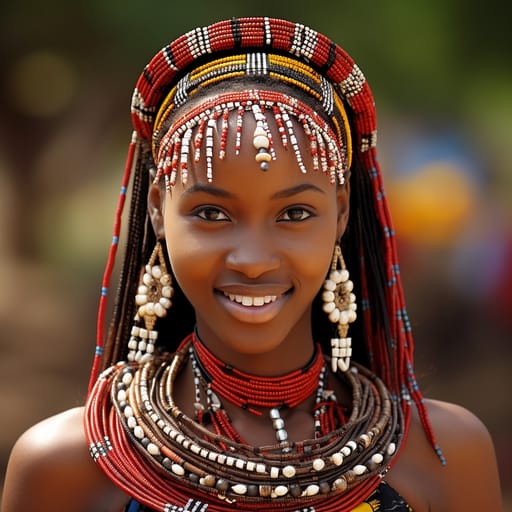
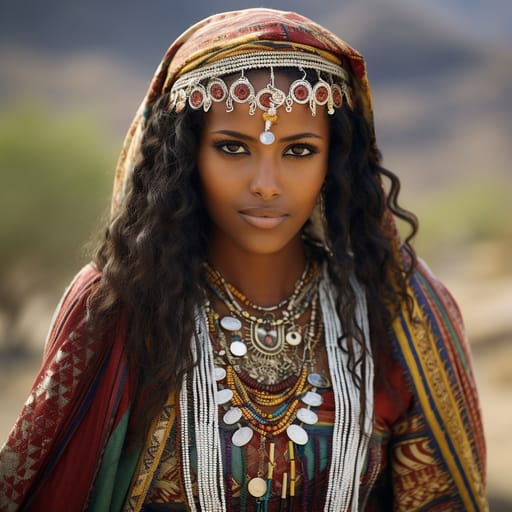
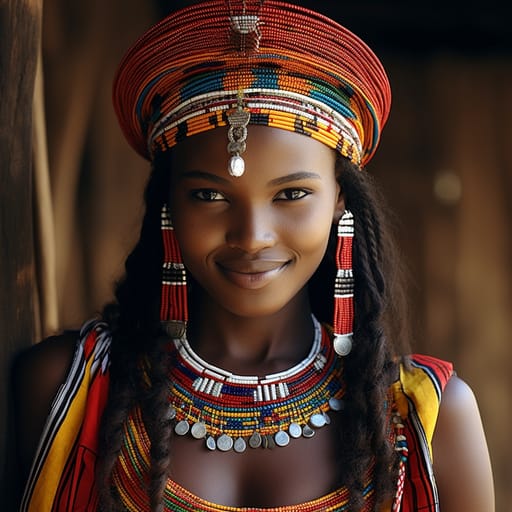
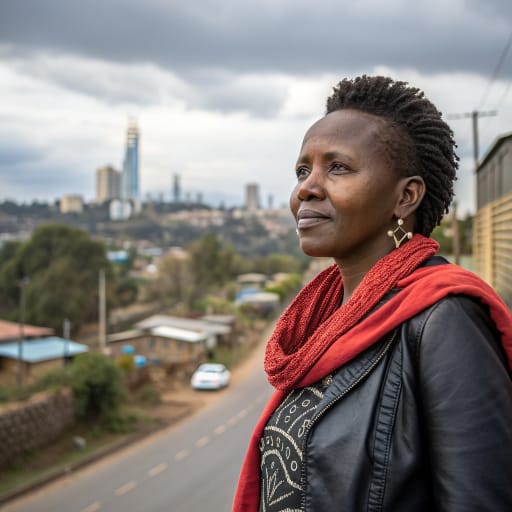
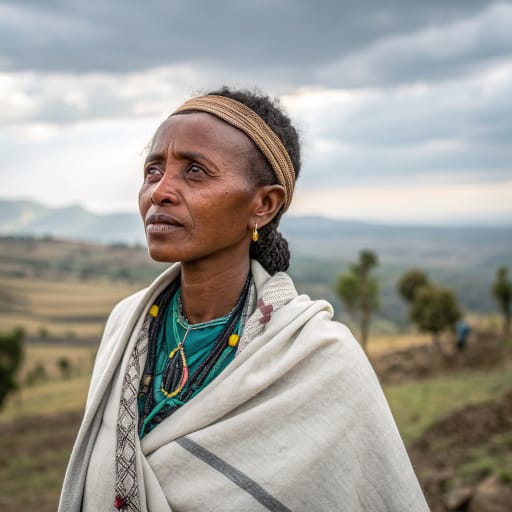
Typical Ngindo Phenotypes
Reference for AI generation: hair, eyes, skin, facial structure, build
Explore phenotype categories
Structured taxonomy with peer-reviewed scales · 22 anatomical categories
Erotic Poses & Sex Positions
From the pose catalog: 219 named positions with reference skeletons
Frequently asked questions about Ngindo people
Where is the Ngindo homeland?
The Ngindo homeland is Southeastern Tanzania, centered on Liwale District in Lindi Region, in the woodland between the Rufiji and Ruvuma rivers in Eastern Africa.
What language do Ngindo people speak?
Ngindo people primarily speak Kingindo (Bantu, Niger-Congo), with Swahili widely spoken.
What religion do Ngindo people practice?
The predominant religion among Ngindo people is Predominantly Muslim, with older beliefs about ancestors, healing and witchcraft still present.






Make your own Ngindo images
Five a day, free, no credits to buy. The studio starts from this group's phenotype data, so you can set body type, pose and style and keep the traits accurate.
Start with Ngindo