No portrait yet
Ndamba Erotic
Kilombero Valley in Morogoro Region, Tanzania, mainly in Kilombero, Ulanga and Malinyi districts
Ndamba, or Kindamba (Bantu, Niger-Congo), closely related to Pogoro; Swahili widely spoken
Christianity, largely Catholic, and Islam, with older ancestral beliefs persisting
Bantu-speaking peoples of south-central Tanzania; closest kin are the Pogoro of the same valley
About Ndamba People
The Ndamba are a floodplain people. What marks them out is not a kingdom or a mountain stronghold but a river, the Kilombero, which spills across its valley in south-central Tanzania each rainy season and leaves behind the silt that makes the land worth working. Ndamba villages line that valley in Morogoro Region, in the lowland trough between the Udzungwa Mountains and the Mahenge highlands, mostly within today's Kilombero, Ulanga and Malinyi districts.
Life runs on the water calendar. Rice is the crop that matters most, planted to catch the flood, while the river and its side channels supply fish and higher ground carries maize and cassava. Guarding ripening fields from birds and animals is a season of work in its own right, and many households split their time between the village and a field hut near their plots while the crop stands.
The Ndamba language, known in Swahili as Kindamba, is Bantu, and its nearest relative is Pogoro, spoken by the neighbors who share much of the valley. Mbunga, Bena and Hehe communities are not far off. Swahili, the language of school, church, market and the valley town of Ifakara, presses on Kindamba from every side and serves as the common tongue in villages where several peoples now live side by side. Christianity, largely Catholic after more than a century of missions around Mahenge, is widespread, and Islam has a solid following as well. Older ideas about ancestors and the land have not disappeared under either.
The twentieth century came down hard on the valley. The Maji Maji war against German rule reached Mahenge in 1905, and the famine that followed German reprisals ravaged communities across southern Tanzania. Later decades brought the TAZARA railway through the valley, the villagization campaigns of the 1970s, sugar and rice estates, wetland protection rules, and cattle herders moving in from other regions. Each has pressed on floodplain land that Ndamba families once managed on their own terms, and arguments over who may farm, fish or graze where are now a steady part of valley life.
Related ethnic groups
Groups that share Ndamba's homeland, region, language, or religious tradition. These are likely candidates for comparative phenotype reference.
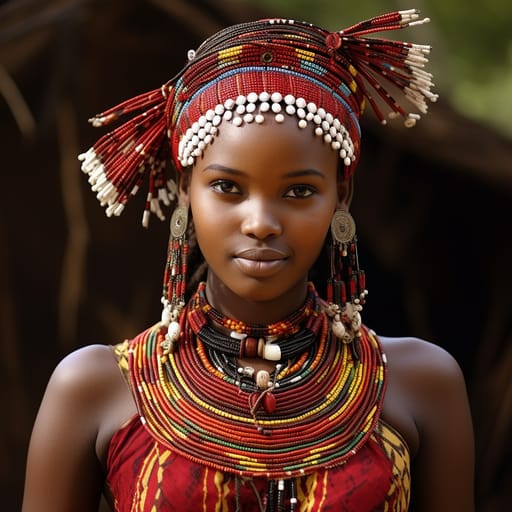
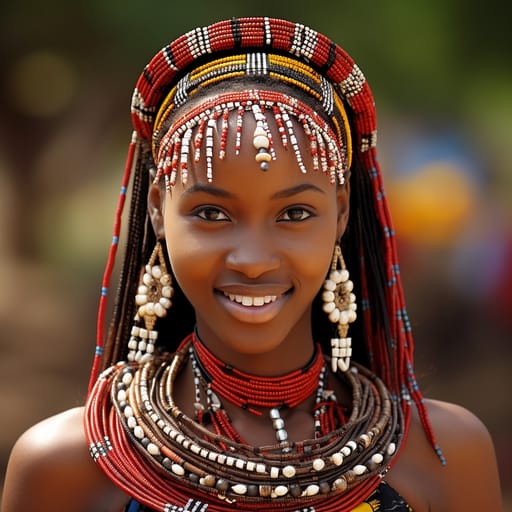
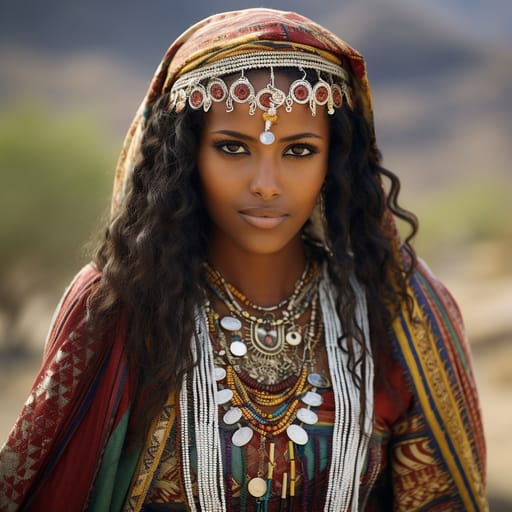
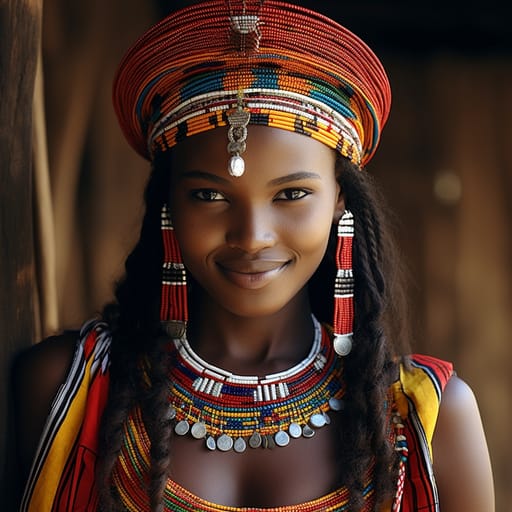
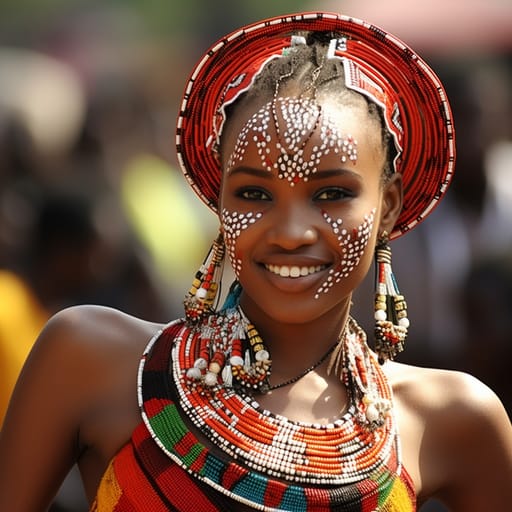
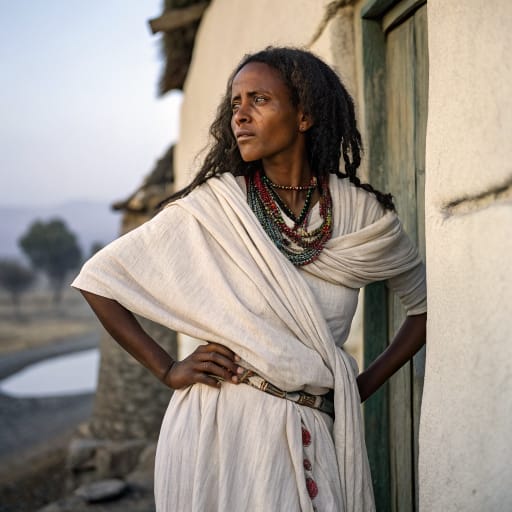
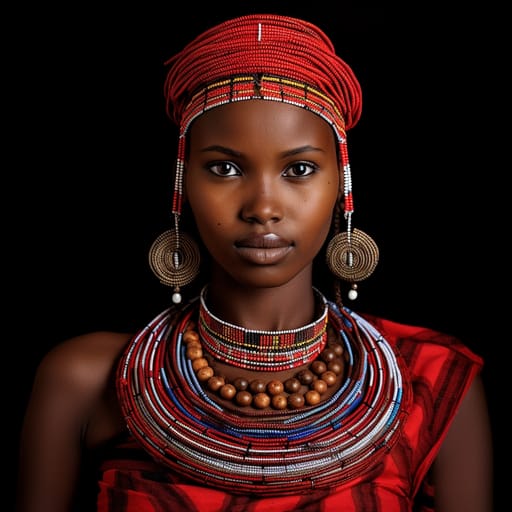
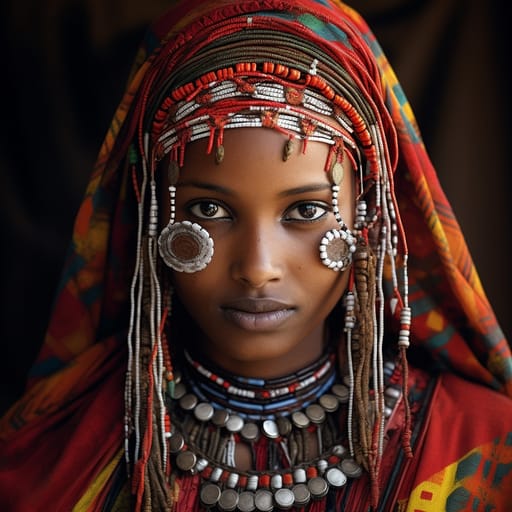
Typical Ndamba Phenotypes
Reference for AI generation: hair, eyes, skin, facial structure, build
Explore phenotype categories
Structured taxonomy with peer-reviewed scales · 22 anatomical categories
Erotic Poses & Sex Positions
From the pose catalog: 219 named positions with reference skeletons
Frequently asked questions about Ndamba people
Where is the Ndamba homeland?
The Ndamba homeland is Kilombero Valley in Morogoro Region, Tanzania, mainly in Kilombero, Ulanga and Malinyi districts in Eastern Africa.
What language do Ndamba people speak?
Ndamba people primarily speak Ndamba, or Kindamba (Bantu, Niger-Congo), closely related to Pogoro; Swahili widely spoken.
What religion do Ndamba people practice?
The predominant religion among Ndamba people is Christianity, largely Catholic, and Islam, with older ancestral beliefs persisting.






Make your own Ndamba images
Five a day, free, no credits to buy. The studio starts from this group's phenotype data, so you can set body type, pose and style and keep the traits accurate.
Start with Ndamba