Help us get this right
Does this portrait look right for Mikea?
Nobody has judged this one yet. You would be the first.
Mikea Erotic
The dry forest and coastal hinterland of southwestern Madagascar, inland of Morombe and north of Toliara
Malagasy, southwestern dialects close to Masikoro and Vezo (Austronesian, Malayo-Polynesian, Barito branch)
Malagasy ancestral religion: veneration of the razana, the creator Zanahary, and observance of fady; limited Christian presence
One of the Malagasy peoples; closely tied by language and kinship to the Masikoro and Vezo of the southwest
About Mikea People
The Mikea are known by what they do rather than by who they descend from. In the dry deciduous forest of southwestern Madagascar, inland from the fishing coast between Morombe and Toliara, "Mikea" names the people who live off the woods: digging wild yams, taking honey, hunting tenrecs and birds, and planting a little maize at the forest edge. Their neighbors, the cattle-keeping Masikoro and the seagoing Vezo, speak the same language and share the same ancestors. A family can move into the forest and become Mikea, then move out again and stop being Mikea. Researchers who went looking for a relic population of hunter-gatherers found something more interesting instead: a way of making a living that people adopt, abandon and return to as the rains, the maize price and the state make one option safer than another in a given year.
That flexibility has a history behind it. The forest has long been a place to be out of reach, first of the Sakalava kings who taxed and raided the lowlands, then of French colonial administrators collecting head tax and conscripting labor, and more recently of the cattle raiders who work the southwest. It is not a comfortable refuge. Surface water is absent for much of the year, and the Mikea answer to that is the baboho, a fat wild tuber holding enough moisture to drink from, which is what makes staying deep in the woods through the dry season possible at all. Speech is Malagasy in its southwestern dialects, an Austronesian language whose closest relatives sit in Borneo, which still surprises people who expect an African island to sound African. Religious life runs on ancestors rather than on churches: the razana are consulted and fed, Zanahary stands behind the world without interfering much in it, and conduct is organized by fady, prohibitions particular to a family or a place. The pressure now comes from two directions. Commercial maize clearing, hatsake, has eaten long stretches of the same forest the Mikea depend on, and the national park declared over that forest in 2007 brought rules about who may hunt, dig and burn inside its boundaries. The people most often photographed as Madagascar's last foragers spend a good deal of their time negotiating with conservation officers, grain buyers and their own relatives over which life to live this season.
Related ethnic groups
Groups that share Mikea's homeland, region, language, or religious tradition. These are likely candidates for comparative phenotype reference.
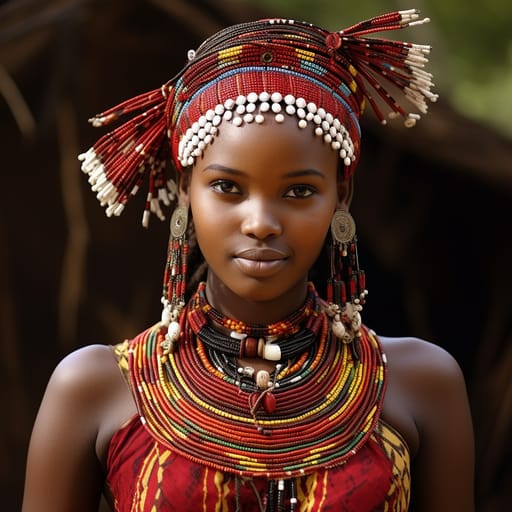
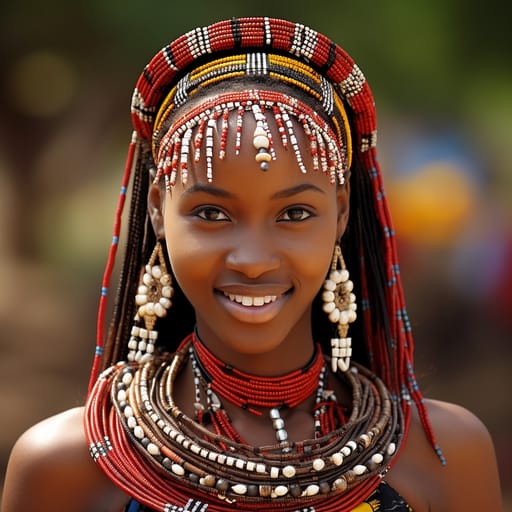
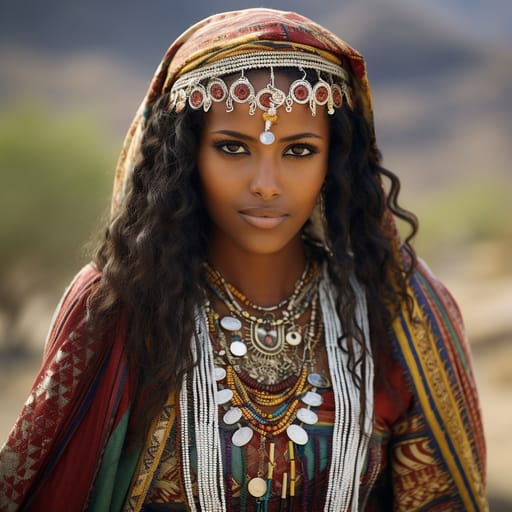
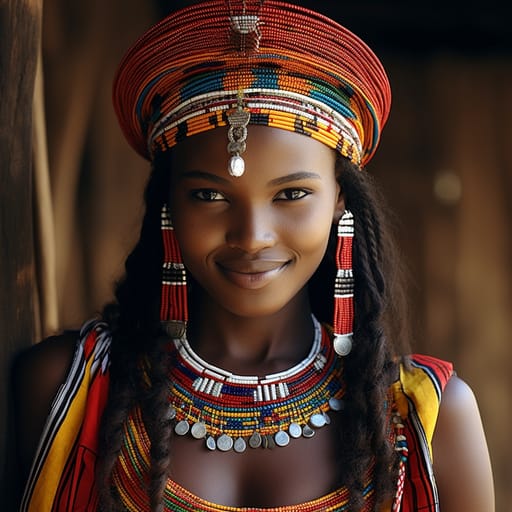
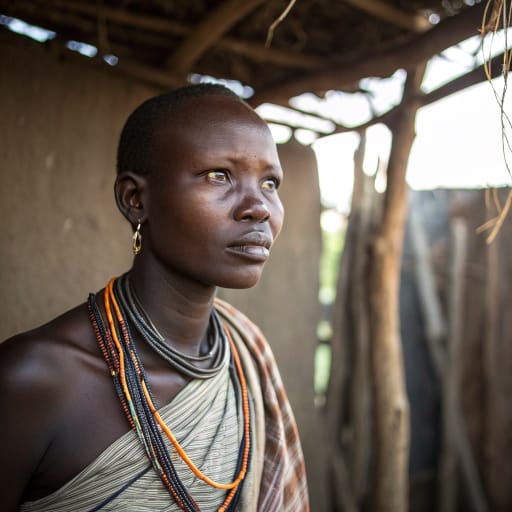
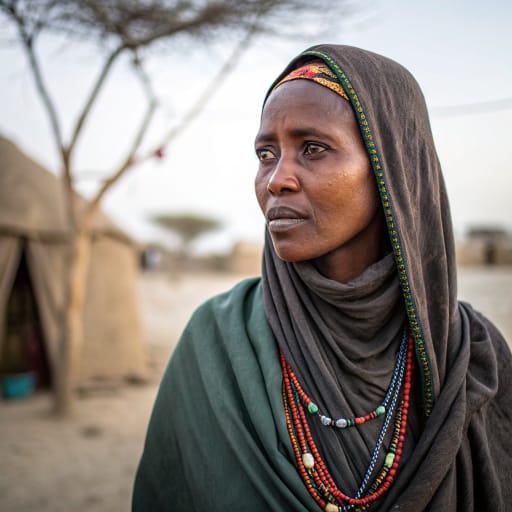
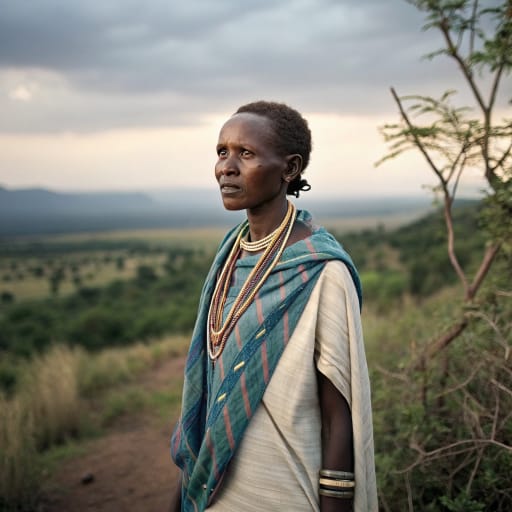
Typical Mikea Phenotypes
Reference for AI generation: hair, eyes, skin, facial structure, build
Explore phenotype categories
Structured taxonomy with peer-reviewed scales · 22 anatomical categories
Erotic Poses & Sex Positions
From the pose catalog: 219 named positions with reference skeletons
Frequently asked questions about Mikea people
Where is the Mikea homeland?
The Mikea homeland is The dry forest and coastal hinterland of southwestern Madagascar, inland of Morombe and north of Toliara in Eastern Africa.
What language do Mikea people speak?
Mikea people primarily speak Malagasy, southwestern dialects close to Masikoro and Vezo (Austronesian, Malayo-Polynesian, Barito branch).
What religion do Mikea people practice?
The predominant religion among Mikea people is Malagasy ancestral religion: veneration of the razana, the creator Zanahary, and observance of fady; limited Christian presence.






Make your own Mikea images
Five a day, free, no credits to buy. The studio starts from this group's phenotype data, so you can set body type, pose and style and keep the traits accurate.
Start with Mikea