Help us get this right
Does this portrait look right for Kimbu?
Nobody has judged this one yet. You would be the first.
Kimbu Erotic
Ukimbu, the miombo woodland of south-central Tanzania, across parts of Tabora, Singida and Mbeya regions
Kimbu (Bantu, Niger-Congo; Sukuma-Nyamwezi group), with Swahili widely used
Christianity and Islam, alongside surviving ancestral and land-spirit beliefs
Part of the Sukuma-Nyamwezi cluster of western Tanzanian Bantu peoples; historically divided into many small independent chiefdoms
About Kimbu People
The Kimbu are the people of Ukimbu, a wide stretch of dry miombo woodland in south-central Tanzania that covers parts of the Tabora, Singida and Mbeya regions. They are known less for a single monument or ruler than for a way of living in hard country: small, scattered settlements with long stretches of bush between them, where the woodland mattered as much as the fields. Kimbu men were known as hunters and as gatherers of wild honey and beeswax, and the forest still shapes how people make a living here.
Kimbu is a Bantu language. It belongs to the same western Tanzanian group as Nyamwezi and Sukuma, which are spoken by much larger peoples to the north. The link goes deeper than vocabulary, because Kimbu history has been bound up with Nyamwezi politics since at least the nineteenth century. Swahili is the language of school, trade and government. Most Kimbu today are Christian or Muslim, but older ideas about ancestors, and about spirits tied to particular pieces of land, have lasted alongside those faiths.
Before colonial rule, Ukimbu was never one kingdom. It was made up of many small, independent chiefdoms, and a chief's authority depended heavily on ritual duties toward the land. That division left the region open to conquest in the 1870s. Nyungu ya Mawe, a warlord from the ruling house of the Nyamwezi state of Unyanyembe, built a military state out of Kimbu territory. He used bands of fighters called ruga-ruga, at the height of the caravan trade in ivory and captives, and his state outlived his death in 1884. The old chiefdoms carried on under German and then British rule. They lost their formal powers soon after independence, when the Tanzanian government abolished chiefship.
For a small people, the Kimbu are unusually well documented. Much of that is thanks to the Catholic missionary and anthropologist Aylward Shorter, who collected oral histories of their chiefdoms in the 1960s. His records keep family lines of chiefs and founding stories that might otherwise have been lost once the chiefdoms stopped holding real power. For a people so often filed under a larger neighbor's name, that record counts for something.
Related ethnic groups
Groups that share Kimbu's homeland, region, language, or religious tradition. These are likely candidates for comparative phenotype reference.
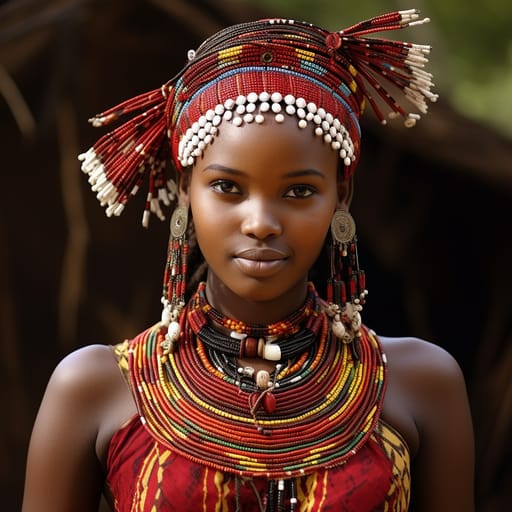
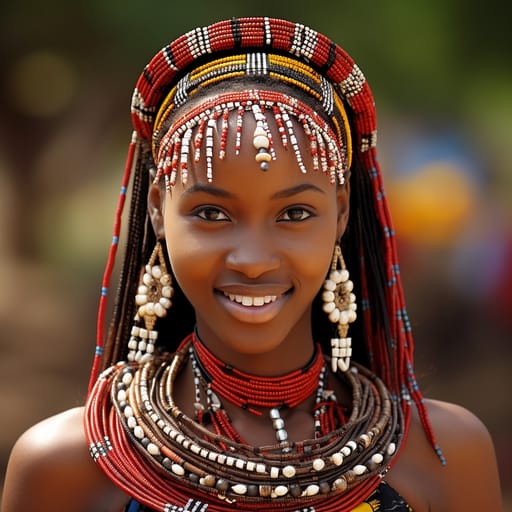
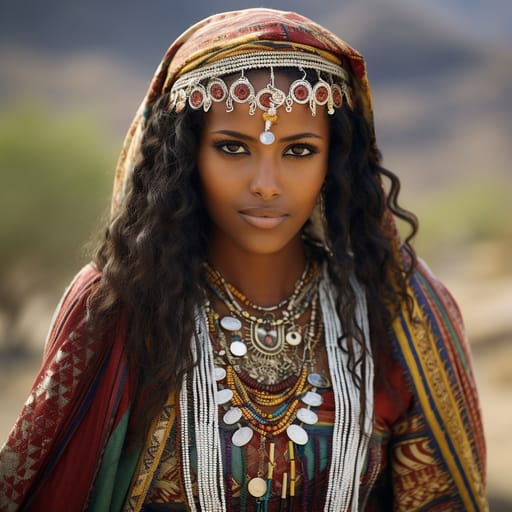
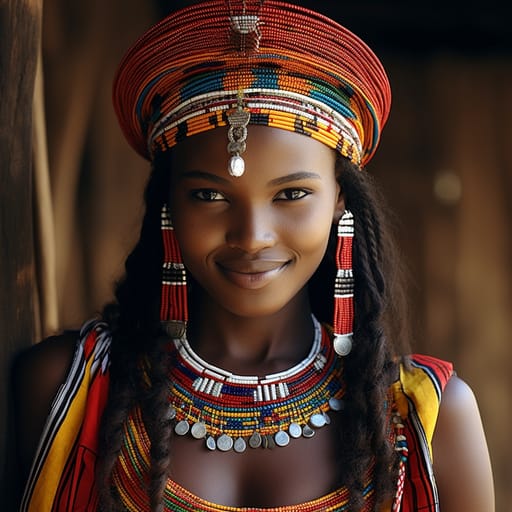
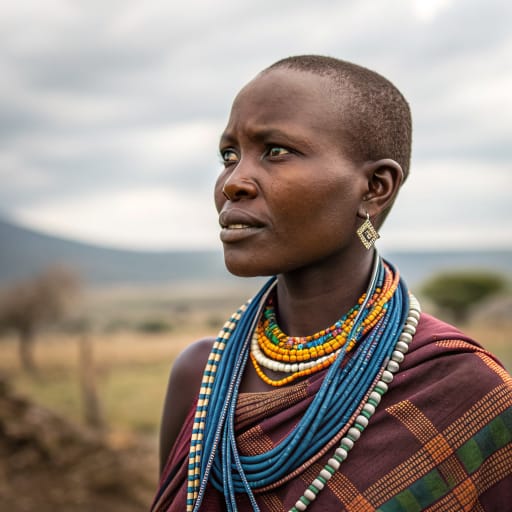
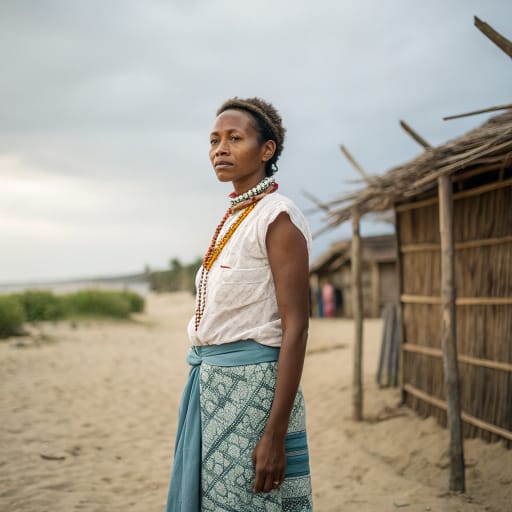
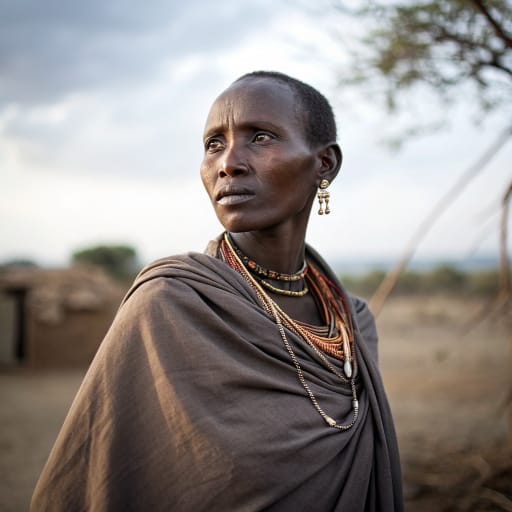
Typical Kimbu Phenotypes
Reference for AI generation: hair, eyes, skin, facial structure, build
Explore phenotype categories
Structured taxonomy with peer-reviewed scales · 22 anatomical categories
Erotic Poses & Sex Positions
From the pose catalog: 219 named positions with reference skeletons
Frequently asked questions about Kimbu people
Where is the Kimbu homeland?
The Kimbu homeland is Ukimbu, the miombo woodland of south-central Tanzania, across parts of Tabora, Singida and Mbeya regions in Eastern Africa.
What language do Kimbu people speak?
Kimbu people primarily speak Kimbu (Bantu, Niger-Congo; Sukuma-Nyamwezi group), with Swahili widely used.
What religion do Kimbu people practice?
The predominant religion among Kimbu people is Christianity and Islam, alongside surviving ancestral and land-spirit beliefs.






Make your own Kimbu images
Five a day, free, no credits to buy. The studio starts from this group's phenotype data, so you can set body type, pose and style and keep the traits accurate.
Start with Kimbu