Help us get this right
Does this portrait look right for Hangaza?
Nobody has judged this one yet. You would be the first.
Hangaza Erotic
Ngara District, Kagera Region, northwestern Tanzania, bordering Rwanda and Burundi
Kihangaza (Bantu, Great Lakes, Rwanda-Rundi group); Swahili (Bantu) widely spoken as a second language
Predominantly Christian, mostly Roman Catholic with Anglican and other Protestant churches; small Muslim minority
Great Lakes Bantu; part of the Rwanda-Rundi-speaking cluster, closely related to the Rundi, Rwandans, Shubi and Ha
About Hangaza People
The Hangaza are a Bantu farming people of Ngara District, the hilly corner of Tanzania's Kagera Region that presses up against the borders of Rwanda and Burundi. What sets them apart is a kind of double belonging. Their language is part of the same Rwanda-Rundi cluster as Kinyarwanda and Kirundi, and it is close enough to both that people can often talk across those borders. Yet for about a century the Hangaza have lived on the eastern side of that line. They went to school in Swahili, and their national history is different from that of their linguistic cousins.
Kihangaza is a Great Lakes Bantu language. Inside Tanzania, its closest relatives are spoken by the Shubi next door and the Ha to the south. Almost everyone also speaks Swahili, the language of school, market and district office, while Kihangaza holds on at home and in village life. The border between the Hangaza and the Rwandans and Burundians was drawn by colonial powers. Ngara was part of German East Africa. When that colony was carved up after the First World War, Rwanda and Burundi went to Belgium, while Ngara went to Britain as part of Tanganyika. Like most peoples of the lakes region, the Hangaza were long organized under hereditary chiefs. The British governed through these chiefs, and independent Tanzania abolished the office in 1963.
The district's sharpest modern turning point came in 1994. The bridge at Rusumo Falls on the Kagera River became the main crossing for Rwandans fleeing the genocide and the war around it. Within weeks, the Ngara hills held refugee camps larger than most Tanzanian towns, and Burundian refugees arrived in waves over the same years. Hangaza villages lived with the aftermath, from cleared woodland to overused water sources, long after the biggest camps emptied.
Most Hangaza today are Christian, largely Roman Catholic. Anglican and other Protestant congregations are also common, and there is a small Muslim minority. Church life reaches well past Sunday, because schools and hospitals founded by missions are part of the district's basic infrastructure. Most households still farm, growing beans, bananas, maize and cassava on the slopes and keeping goats or cattle where there is room.
Related ethnic groups
Groups that share Hangaza's homeland, region, language, or religious tradition. These are likely candidates for comparative phenotype reference.
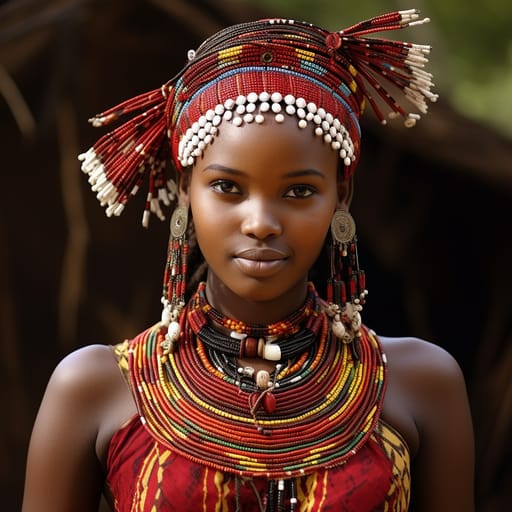
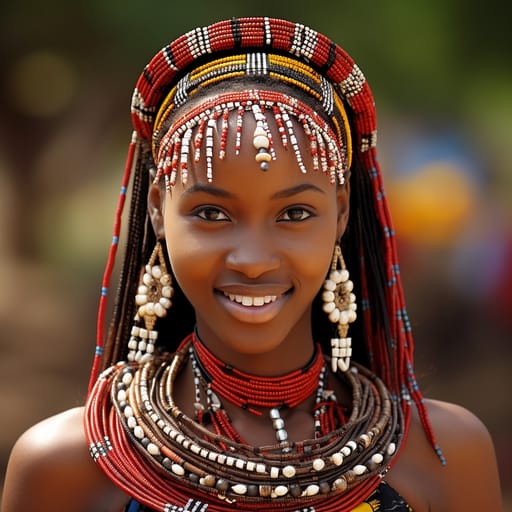
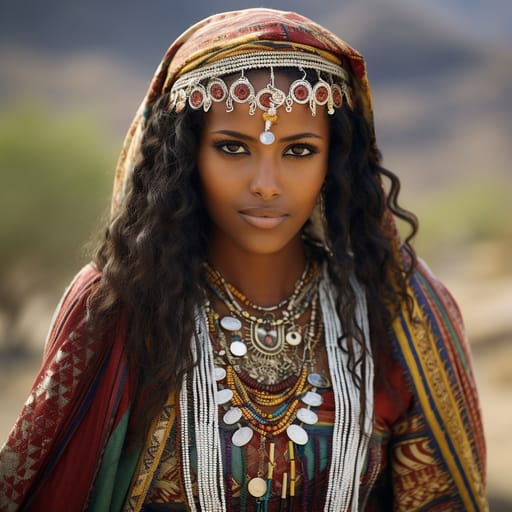
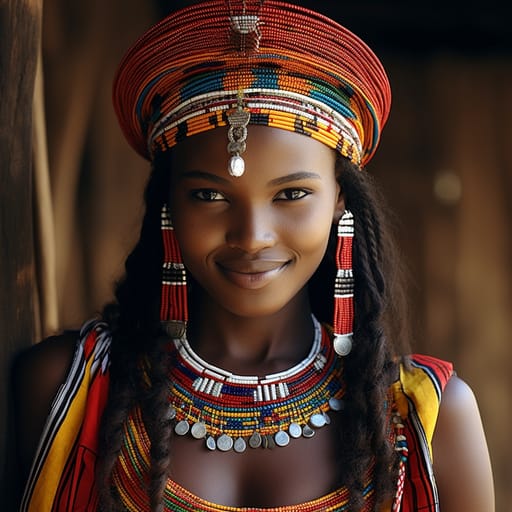
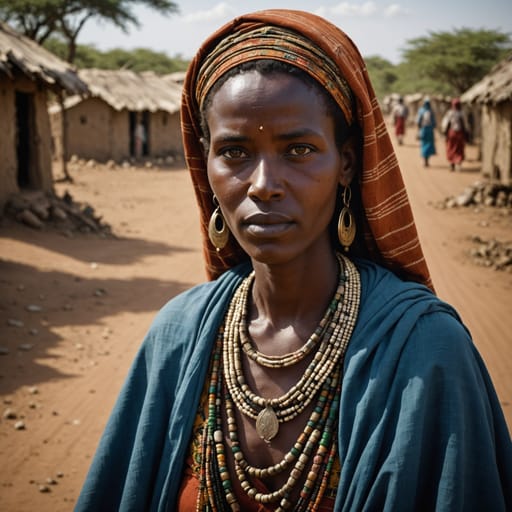
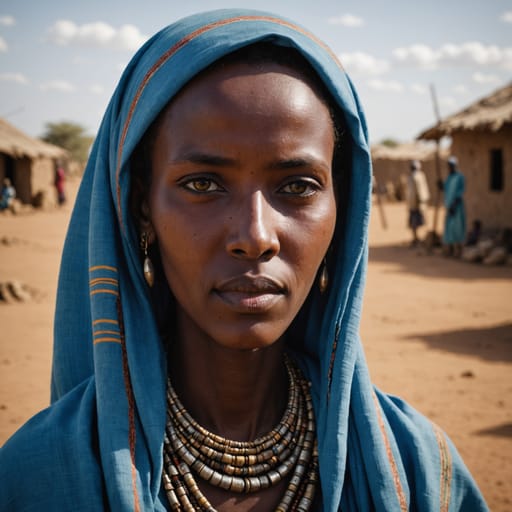
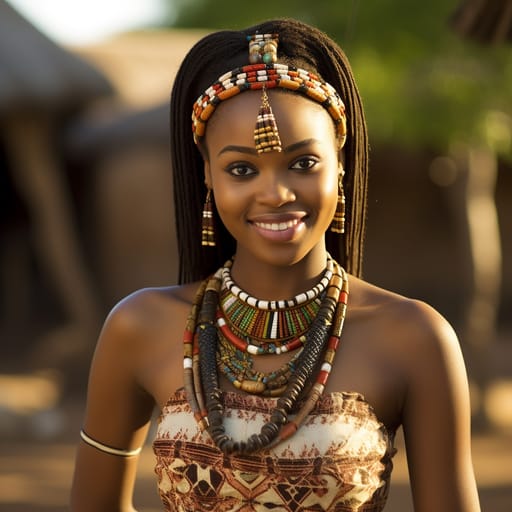
Typical Hangaza Phenotypes
Reference for AI generation: hair, eyes, skin, facial structure, build
Explore phenotype categories
Structured taxonomy with peer-reviewed scales · 22 anatomical categories
Erotic Poses & Sex Positions
From the pose catalog: 219 named positions with reference skeletons
Frequently asked questions about Hangaza people
Where is the Hangaza homeland?
The Hangaza homeland is Ngara District, Kagera Region, northwestern Tanzania, bordering Rwanda and Burundi in Eastern Africa.
What language do Hangaza people speak?
Hangaza people primarily speak Kihangaza (Bantu, Great Lakes, Rwanda-Rundi group); Swahili (Bantu) widely spoken as a second language.
What religion do Hangaza people practice?
The predominant religion among Hangaza people is Predominantly Christian, mostly Roman Catholic with Anglican and other Protestant churches; small Muslim minority.






Make your own Hangaza images
Five a day, free, no credits to buy. The studio starts from this group's phenotype data, so you can set body type, pose and style and keep the traits accurate.
Start with Hangaza