Help us get this right
Does this portrait look right for Bondei?
Nobody has judged this one yet. You would be the first.
Bondei Erotic
Hills and lowlands between the East Usambara Mountains and the coast in Tanga Region, northeastern Tanzania, centered on Muheza District
Bondei, or Kibondei (Bantu, Northeast Coast, Seuta group), closely related to Shambaa; Swahili widely spoken
Islam and Christianity, with a long-established Anglican community rooted in the Magila mission
Seuta cluster of Northeast Coast Bantu peoples, alongside the Shambaa, Zigua and Ngulu
About Bondei People
The Bondei are a Bantu-speaking people of the hill country that drops from the East Usambara Mountains toward the Indian Ocean in northeastern Tanzania. Their name is usually traced to bonde, the word for valley, which tells you how they first came to be marked out as a people. To the Shambaa in the mountains above them, these were the people of the lower ground. The two peoples have a lot in common, including closely related languages and centuries of shared history. Even so, the Bondei have long held to an identity of their own, and much of their story turns on that.
Their heartland lies around Muheza in Tanga Region. It is a district of small farms, coconut palms and citrus groves, within easy reach of the port city of Tanga and the old coastal town of Pangani. Kibondei belongs to the Seuta cluster of Northeast Coast Bantu languages, along with Shambaa, Zigua and Ngulu, and it sits especially close to Shambaa. Swahili is the language of school, market and government. Nearly every Bondei speaks it, and it has steadily gained ground on Kibondei in daily use.
For much of the nineteenth century, Bondei country was ruled from the mountains by the Kilindi dynasty of the Shambaa kingdom, which placed its own chiefs over Bondei villages. After the death of King Kimweri ye Nyumbai, the kingdom split apart, and the Bondei rose up and threw off Kilindi rule. The same decades brought the Universities' Mission to Central Africa, an Anglican mission that settled at Magila. That made the area one of the earliest footholds of Christianity on the Tanzanian mainland. German colonial rule came next, and with it the sisal estates that reshaped the Tanga hinterland and drew workers from across East Africa.
Today the Bondei follow both Islam and Christianity. Islam came through long contact with the Swahili coast. Christianity rests on the Anglican presence that began at Magila, which is still strong. Most Bondei who stay at home farm, growing cassava, maize, rice and fruit. Many others have moved to Tanga, Dar es Salaam and beyond. There they are part of the wider Swahili-speaking world, but they still carry a sense of being Bondei.
Related ethnic groups
Groups that share Bondei's homeland, region, language, or religious tradition. These are likely candidates for comparative phenotype reference.
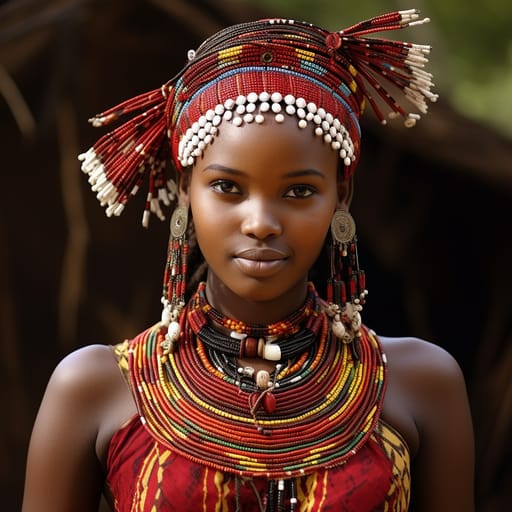
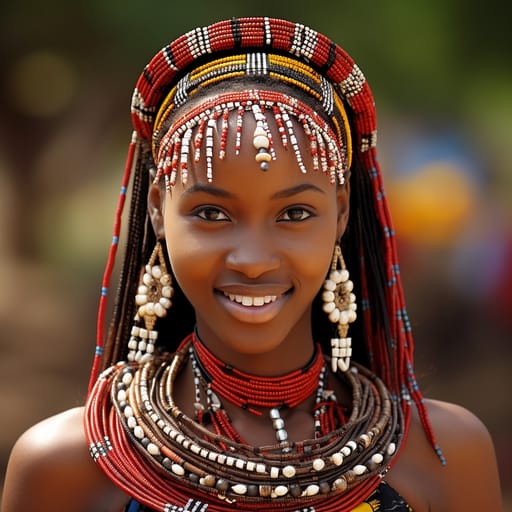
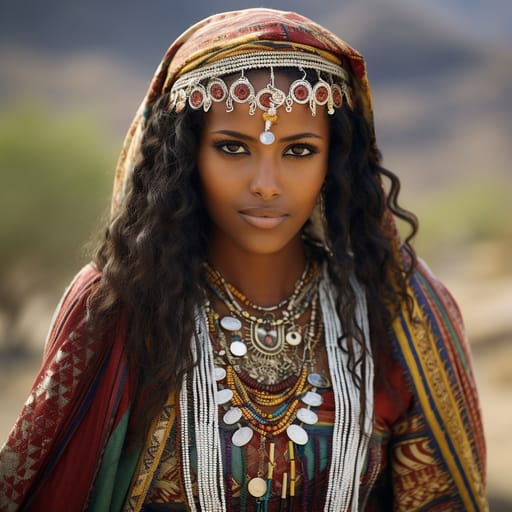
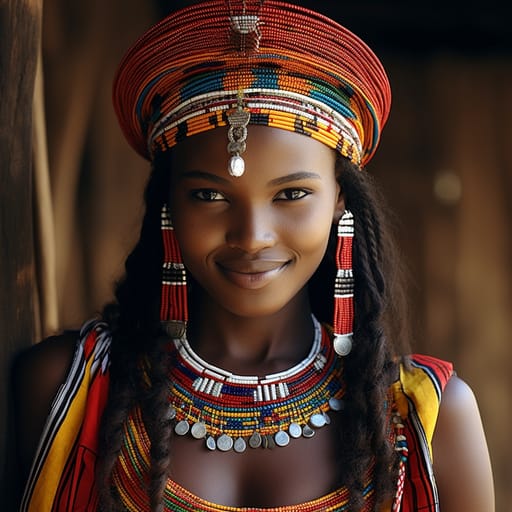
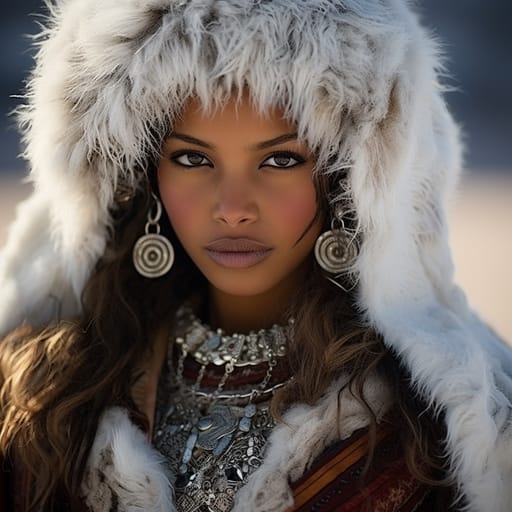
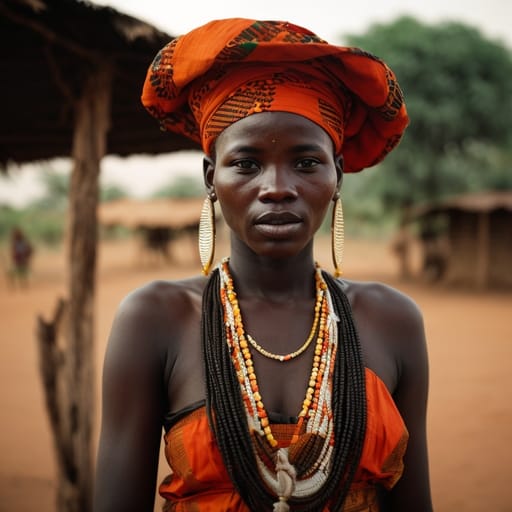
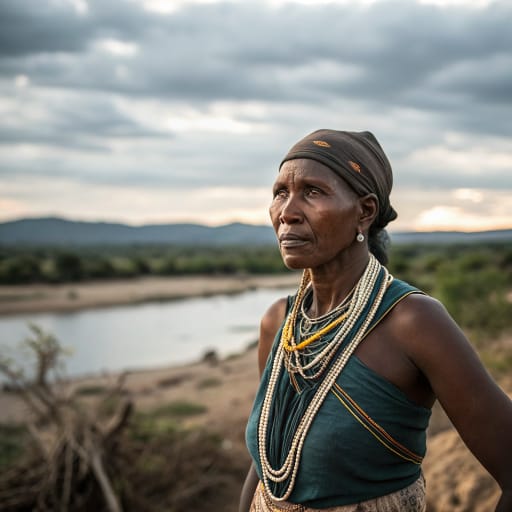
Typical Bondei Phenotypes
Reference for AI generation: hair, eyes, skin, facial structure, build
Explore phenotype categories
Structured taxonomy with peer-reviewed scales · 22 anatomical categories
Erotic Poses & Sex Positions
From the pose catalog: 219 named positions with reference skeletons
Frequently asked questions about Bondei people
Where is the Bondei homeland?
The Bondei homeland is Hills and lowlands between the East Usambara Mountains and the coast in Tanga Region, northeastern Tanzania, centered on Muheza District in Eastern Africa.
What language do Bondei people speak?
Bondei people primarily speak Bondei, or Kibondei (Bantu, Northeast Coast, Seuta group), closely related to Shambaa; Swahili widely spoken.
What religion do Bondei people practice?
The predominant religion among Bondei people is Islam and Christianity, with a long-established Anglican community rooted in the Magila mission.






Make your own Bondei images
Five a day, free, no credits to buy. The studio starts from this group's phenotype data, so you can set body type, pose and style and keep the traits accurate.
Start with Bondei