No portrait yet
Bafaw Erotic
Meme Division of the Southwest Region, in and around the town of Kumba, Cameroon
Bafaw, usually classed with Balong as Bafaw-Balong (Niger-Congo, Bantu, Lundu-Balong group); English and Cameroonian Pidgin widely used
Mainly Christian (Presbyterian, Catholic, Baptist), alongside customary chieftaincy and funeral rites
Forest Bantu people of southwestern Cameroon, closely related to the Balong
About Bafaw People
The Bafaw are the people whose land Kumba was built on. The town is the main center of Meme Division in Cameroon's Southwest Region. It grew up in Bafaw country during the colonial era and kept growing, drawing traders, plantation workers and farmers from the Grassfields, from Nigeria and from across Anglophone Cameroon. The Bafaw are a small community by any measure. They are still the town's customary landowners and chiefs, hosts in a place where newcomers far outnumber them. The easiest way to understand who the Bafaw are today is to see them as the original owners of a town full of people from somewhere else.
Their language is usually grouped with that of their Balong neighbors as a single language, Bafaw-Balong. It belongs to the Lundu-Balong group of Bantu languages, a cluster of forest languages near the northwestern edge of the Bantu-speaking world whose relatives include Oroko. Like every small language in the region, it shares ground with English and Cameroonian Pidgin, which carry school, trade and the market. In Kumba, where Pidgin is the language everyone has in common, keeping a small language in daily use takes deliberate effort.
Over the last century, Bafaw history followed the borders drawn over the region. German rule ended during the First World War and Britain took over. The area was then run as part of the Southern Cameroons, attached to Nigeria, until the 1961 plebiscite brought it into Cameroon. The Bafaw paramount ruler Nfon Victor Mukete was part of that story: he was a politician in the Southern Cameroons years, served in Cameroon's Senate in his nineties and lived past 100. Since 2017 the Anglophone crisis, the armed conflict in the Northwest and Southwest, has reached Kumba directly. In 2020 gunmen attacked a school in the town and killed several children.
Most Bafaw are Christian. Presbyterian, Catholic and Baptist congregations have long been established in the area, and church life runs alongside the customary authority of chiefs and village councils rather than replacing it. Outside town, farming is the backbone: cocoa, the cash crop that made Meme an important growing area, plus food crops for Kumba's market. The big public occasions are enthronements and funerals. The community turns out in force, women often in the loose kaba and men in wrapped cloth, and each gathering quietly restates who belongs to this land.
Related ethnic groups
Groups that share Bafaw's homeland, region, language, or religious tradition. These are likely candidates for comparative phenotype reference.
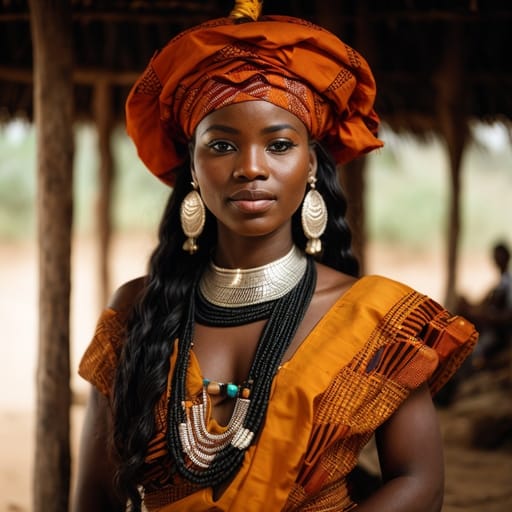
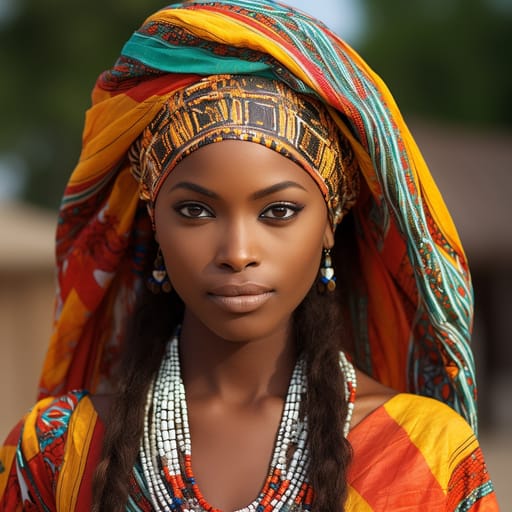
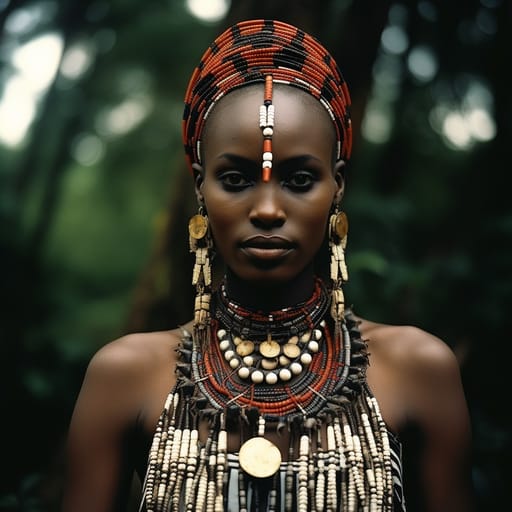
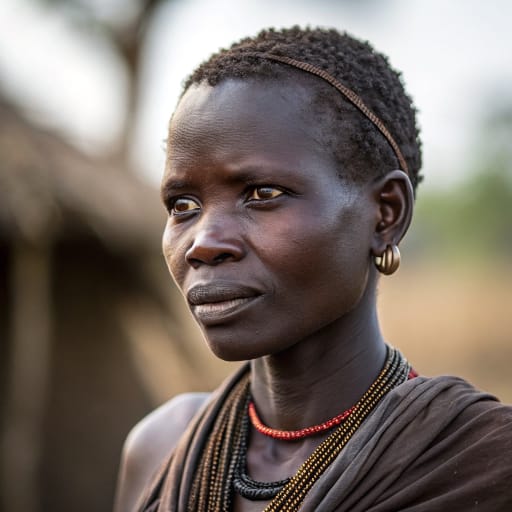
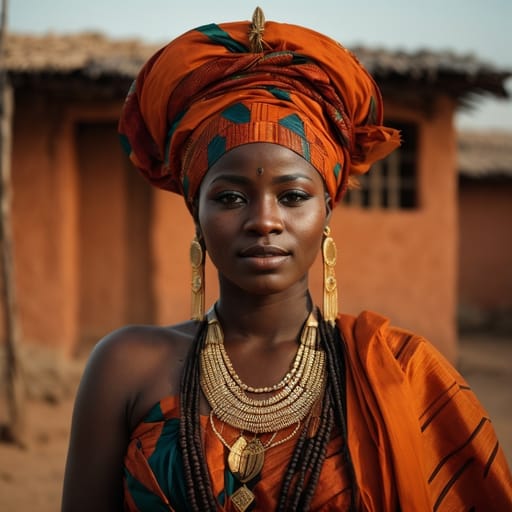
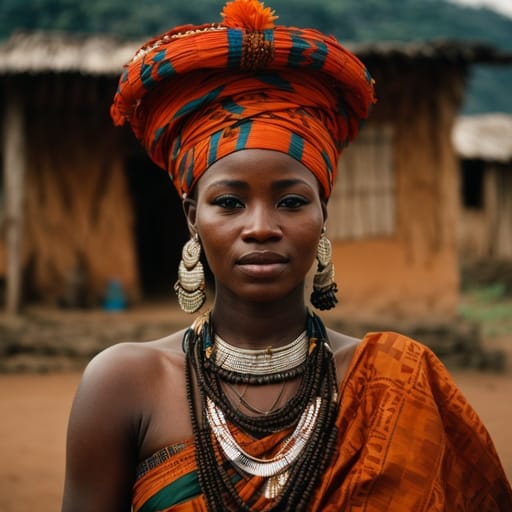
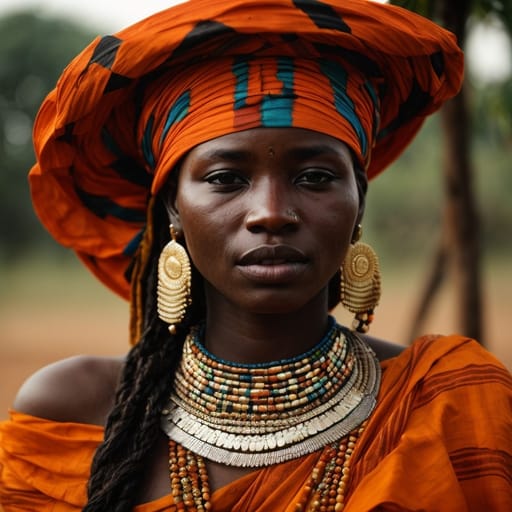
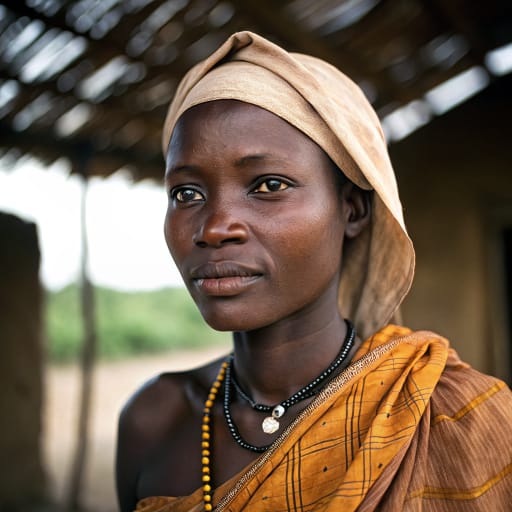
Typical Bafaw Phenotypes
Reference for AI generation: hair, eyes, skin, facial structure, build
Bafaw Body & Anatomy Reference
Bantu / Central African Niger-Congo phenotype: anatomy reference for AI nude generation
Bafaw Boobs & Breasts
The typical Bafaw bust is medium-to-large cup, full, projecting, in line with the wider Bantu / Central African Niger-Congo pattern. Areolas usually fall in the 32-48mm range, with deep-brown areolar pigmentation against the deep-brown skin tone. Compared with the smaller East African conical profile, Bafaw breasts sit forward and are generally fuller projection than East African; comparable to West African norm. A faithful AI render of Bafaw tits keeps that shape and areola size.
Bafaw Ass & Hips
Butt shape among Bafaw women: full, projected, wide-set glutes, over broad iliac crests, gynoid pelvic pattern. This follows Bantu / Central African Niger-Congo ancestry and looks quite unlike the slim narrow-hip Cushitic East African profile. An accurate Bafaw ass in adult AI imagery keeps both the silhouette and the overall build (mesomorph with strong gluteal-femoral fat deposition) instead of a generic average.
Bafaw Vagina & Pussy
Vulvar anatomy among Bafaw women: deep-brown labial pigmentation, fuller labia minora. Pubic hair tends to be tightly-coiled coarse texture, dense distribution, in the usual inverted-triangle pattern. Both follow Bantu / Central African Niger-Congo pigmentation, which is why Bafaw pussy renders should not fall back on a pale, sparse Western template.
Bafaw Dicks & Penis
The Bafaw cock profile, from Bantu / Central African Niger-Congo anthropometric data: regional mean ~14cm erect; above-average girth; deep-brown shaft pigmentation. Pubic hair has a tightly-coiled coarse texture and forms the usual inverted-V pattern. Whether Bafaw men are circumcised follows religious and cultural practice rather than phenotype.
Bafaw Body, Curves & Build
Build and curves among Bafaw women follow the Bantu / Central African Niger-Congo pattern: mesomorph with strong gluteal-femoral fat deposition, mean adult female BMI 23-26. Proportions matter as much as skin tone, so Bafaw figures should keep their regional height and limb ratios.
Bafaw Skin Tone & Hair Texture
The Bafaw skin range is deep-brown (Fitzpatrick VI), and hair tends to be tight 4A-4C coil. That combination marks the Bantu / Central African Niger-Congo phenotype, and skin tone is the trait AI generators most often get wrong for Bafaw women.
Explore phenotype categories
Structured taxonomy with peer-reviewed scales · 22 anatomical categories
Erotic Poses & Sex Positions
From the pose catalog: 219 named positions with reference skeletons
Frequently asked questions about Bafaw people
Where is the Bafaw homeland?
The Bafaw homeland is Meme Division of the Southwest Region, in and around the town of Kumba, Cameroon in Central Africa.
What language do Bafaw people speak?
Bafaw people primarily speak Bafaw, usually classed with Balong as Bafaw-Balong (Niger-Congo, Bantu, Lundu-Balong group); English and Cameroonian Pidgin widely used.
What religion do Bafaw people practice?
The predominant religion among Bafaw people is Mainly Christian (Presbyterian, Catholic, Baptist), alongside customary chieftaincy and funeral rites.






Make your own Bafaw images
Five a day, free, no credits to buy. The studio starts from this group's phenotype data, so you can set body type, pose and style and keep the traits accurate.
Start with Bafaw